
The Passenger You Didn't Invite
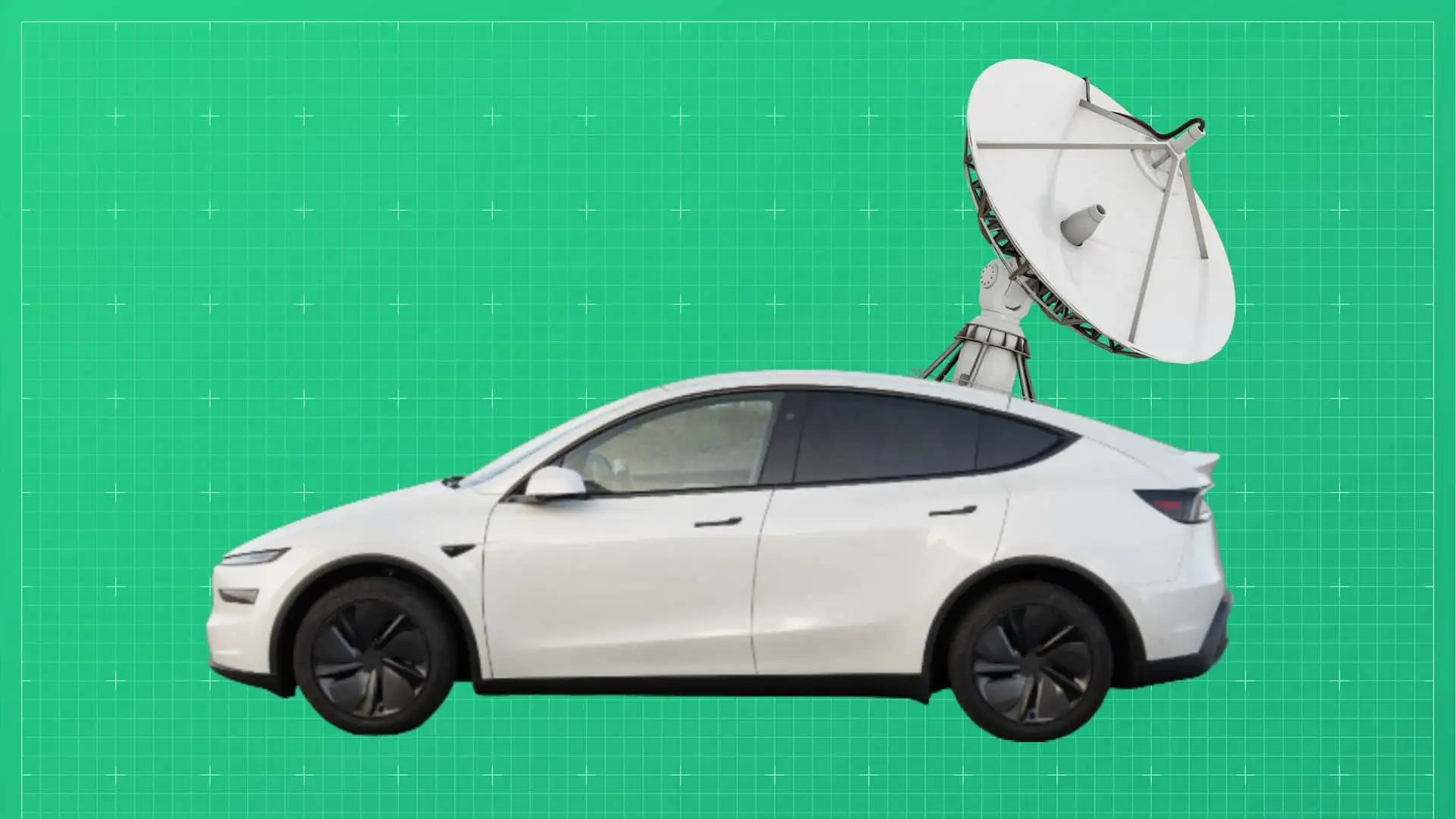
For most drivers, a car is a private sanctuary—a space for morning commutes, private phone calls, and family road trips. However, researchers at Northeastern University and Consumer Reports have found that your vehicle is likely serving as a silent informant. Modern connected cars are sophisticated data-collection machines that frequently transmit your habits, identity, and location to third-party advertising and analytics firms.
The scope of this surveillance is startling. Studies show it is now effectively impossible to purchase a new, fully connected car that doesn't track your movements or share data with external parties. Whether it's the vehicle's onboard computer or the mobile app you use to unlock your doors, your personal data is moving through a pipeline you likely never approved.
How the Data Trail Works
The danger lies in how easily your driving data can be deanonymized. Researchers discovered that a significant number of vehicle apps transmit your Vehicle Identification Number (VIN) alongside personal identifiers like your name or email address. When these pieces of information are combined, data brokers can easily link your driving behavior to your broader digital footprint.
- Precise geographic location tracking.
- Linking driving behavior to insurance profiles via data brokers like LexisNexis.
- Sharing of personally identifiable information (PII) like names and email addresses.
- Integration of driving data with online shopping and browsing history profiles.
This information is then sold to a variety of entities, including insurers, banks, and pharmaceutical companies. In some cases, such as the lawsuit against Allstate and its subsidiary Arity, state officials have alleged that drivers' data was harvested through smartphone software without adequate disclosure or consent.
Almost a quarter of the vehicles’ apps were found to be sending out personally identifiable information, including vehicle owners’ names, vehicle identification numbers (VINs), and precise geographic locations.
— Consumer Reports
Can You Protect Your Privacy?
While completely disconnecting from the grid is difficult, there are steps to take. Experts suggest checking your privacy settings within your car’s infotainment system and within any associated smartphone apps. Users can also look into 'Right to Opt Out' requests, which legally require companies to stop sharing your personal information with third parties. However, as the industry continues to prioritize data monetization, the burden remains heavily on the consumer to secure their digital footprint.