A Major Escalation in North American Trade
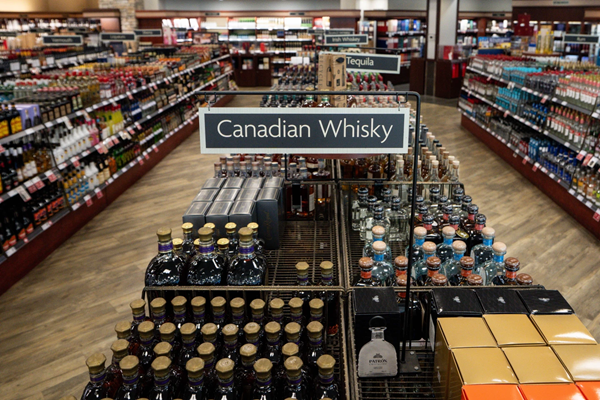
The U.S.-Canada trade relationship has reached a new low. As of 12:01 a.m. on Tuesday, the United States officially implemented an import ban on roughly $1 billion worth of Canadian goods. The list of restricted items includes alcoholic beverages, various dairy products, whey, molasses, and motorcycles.
This move follows a breakdown in trade negotiations and a series of retaliatory tariffs between the two nations. While the economic impact of this specific ban is estimated to be limited—representing roughly 0.25 percent of Canadian exports to the U.S.—it signals a deepening geopolitical rift that experts worry could hinder future trade agreements.

Why These Specific Goods?
The banned products were already subject to 50% U.S. tariffs, which many analysts previously described as a 'de facto ban' due to the prohibitive costs. By moving from high tariffs to an outright import ban, the administration is making a definitive statement regarding its stance on the current trade stalemate.
- Alcoholic beverages: A significant export category facing restricted access.
- Dairy and Whey: Targeted by both sides of the border throughout the dispute.
- Motorcycles: While volume is relatively low, this sector has become a flashpoint for trade policy.
The Path Forward
Canadian Prime Minister Mark Carney has previously described the impact of these measures as 'modest' for the Canadian economy, aiming to avoid further retaliatory cycles. However, trade experts suggest that the continued friction is putting pressure on both U.S. importers and Canadian exporters to lobby for a long-term resolution.
This marks yet another escalation in the trade war that may result in further retaliation on the Canadian side.
— Jensen, International Trade Expert