A New Chapter in Tech Diplomacy
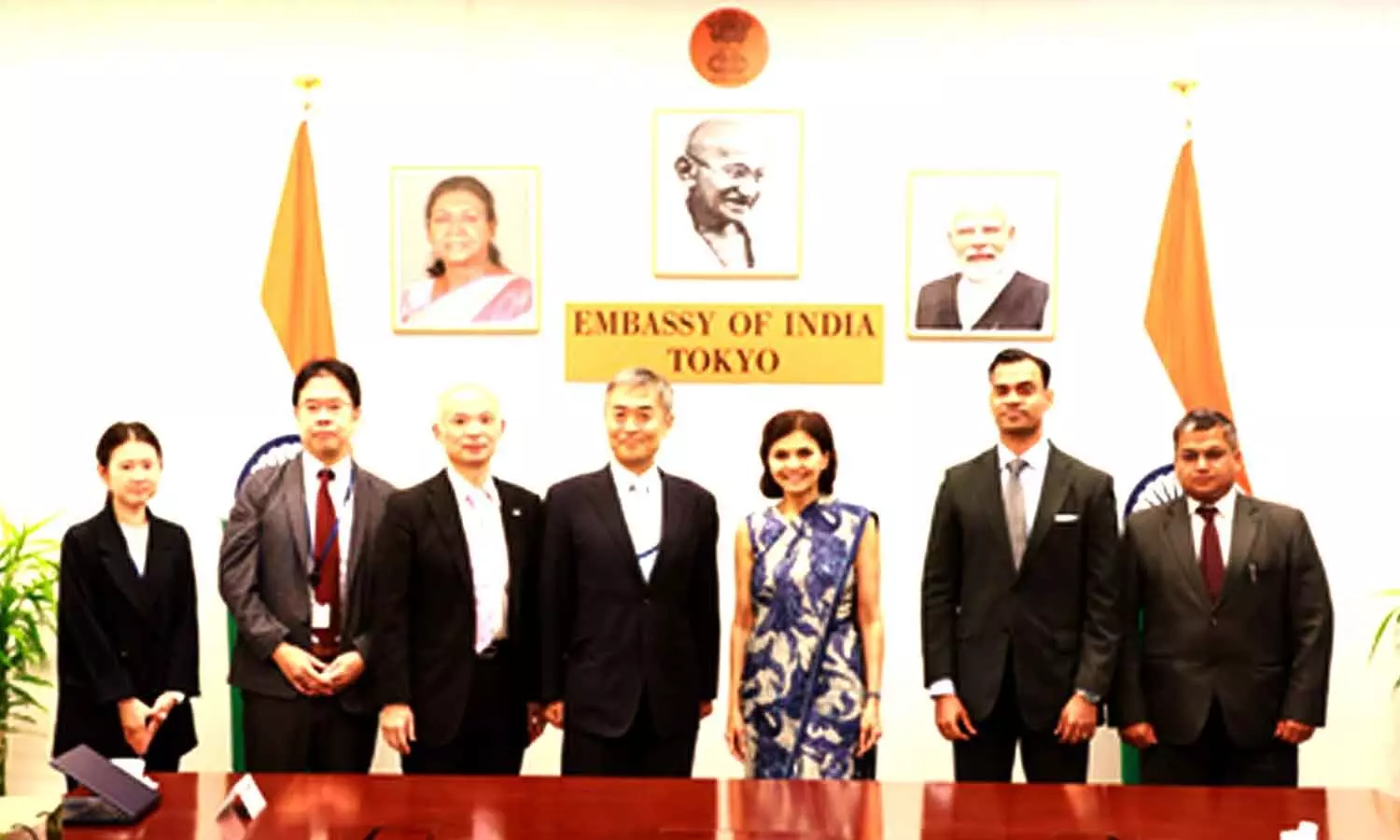
In an era defined by rapid technological transformation, India and Japan are moving to secure their digital sovereignty. Following high-level discussions in Tokyo and a landmark Joint Statement adopted during the 16th India-Japan Annual Summit, the two nations have elevated their partnership to focus specifically on artificial intelligence and communications.
This collaboration goes beyond simple trade agreements. It represents a coordinated effort to define the standards of 'trustworthy AI,' ensuring that the underlying infrastructure—from data centers to semiconductor supply chains—remains resilient against economic and security vulnerabilities.

Building a Resilient AI Ecosystem
The core of the new agreement centers on the 'AI technology stack.' Both New Delhi and Tokyo have recognized that AI is an era-defining technology that requires a multi-layered approach to security. The key areas of cooperation include:
- Strengthening secure digital infrastructure, including high-capacity data centers.
- Collaborative research and development in semiconductor technology.
- Shared assessment of opportunities and vulnerabilities across the AI stack.
- Securing GPU compute resources to ensure sovereign AI development.
By aligning their research capabilities, India and Japan aim to diversify supply chains, reducing dependence on singular, potentially volatile, international sources. This strategic alignment reflects the broader Special Strategic and Global Partnership that has deepened over their 75 years of diplomatic relations.
The two leaders reaffirmed the importance of building safe, secure and trustworthy AI ecosystem, including in the Indo-Pacific, supported by resilient, diversified, and trustworthy supply chains of AI technology stack.
— Joint Statement, Prime Minister of India Office
The Road Ahead
The implications for the Indo-Pacific region are significant. By setting benchmarks for secure AI, India and Japan are positioning themselves as key architects of the global digital future. As the two nations continue to discuss fresh avenues for research, the focus remains clear: building a technology ecosystem that is not only innovative but fundamentally reliable and secure.