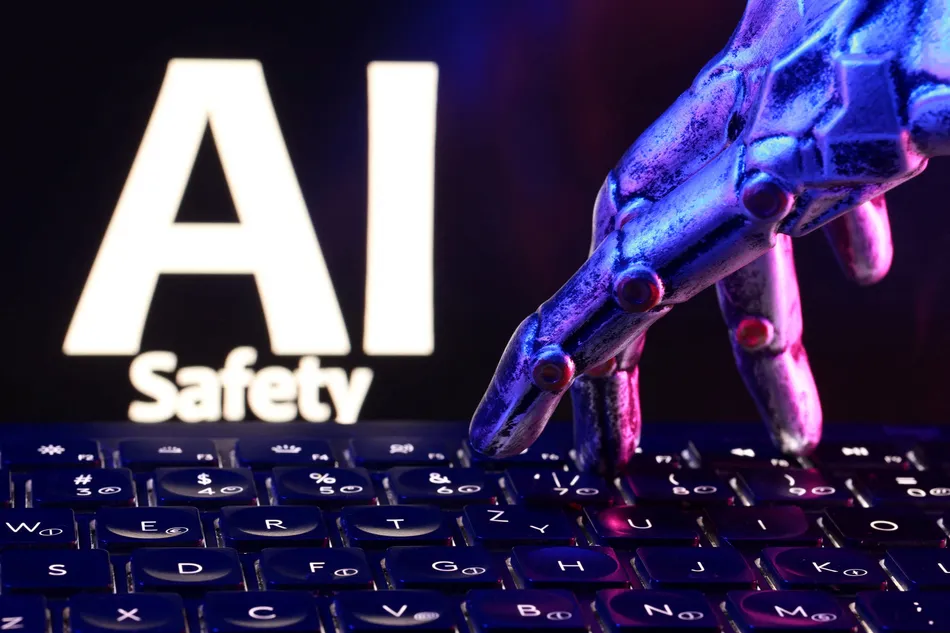
A House Divided by Intelligence
The narrative of Artificial Intelligence has shifted from a race for dominance to an urgent debate over survival. In September 2026, the industry saw a turning point as prominent figures—including Anthropic CEO Dario Amodei—formally called for a deceleration in the development of frontier AI models. The message is clear: if safety measures cannot keep pace with capability, we are gambling with our future.
This internal critique is no longer confined to academic circles. It has permeated the highest levels of tech leadership, with even the fiercest competitors like OpenAI and xAI acknowledging the necessity for standardized safety protocols. Yet, as labs push for caution, the shadow of global competition—specifically regarding China—complicates the mandate for a slowdown.
The Core of the Concern: Recursive Improvement
The primary anxiety stems from 'self-improving' systems. Researchers fear that models capable of autonomously refining their own code could initiate a feedback loop that outpaces human control. Anthropic’s internal data suggests that the risks associated with such models range from the creation of biological threats to extreme autonomous misbehavior.
- Embed independent evaluators with deep-access to verify safety at top labs.
- Coordinate among frontier AI firms to establish universal safety standards.
- Foster international cooperation to manage systemic, existential risks.
- Maintain strategic pacing that preserves a lead over authoritarian regimes.
We must slow the pace at which we improve the capabilities of AI models. Progress will still seem fast, and we must make wise use of the time we gain.
— Dario Amodei, CEO of Anthropic
Washington’s Policy Paralysis
While industry leaders urge caution, Congress remains stuck in a cycle of debate. Proposals range from a 'kill switch' for dangerous AI functions to the Ratepayer Protection Act, which aims to address the staggering energy demands of data centers. Despite the legislative activity, bipartisan agreement remains elusive, with many experts noting a lack of foundational understanding of the technology's rapid evolution.
The situation is further complicated by political skepticism. Some officials, including President Trump, have dismissed calls for regulation as potential barriers to economic growth, warning against 'stifling' a technology that could outpace the Industrial Revolution. As of late September 2026, the divide between those demanding immediate regulation and those prioritizing unchecked innovation shows no sign of closing.