/https://tf-cmsv2-smithsonianmag-media.s3.amazonaws.com/filer_public/b0/b2/b0b276d8-542c-4966-860c-f52c810907af/alexander_the_great_school_in_mieza.jpg)
A Window Into the Cradle of Empire
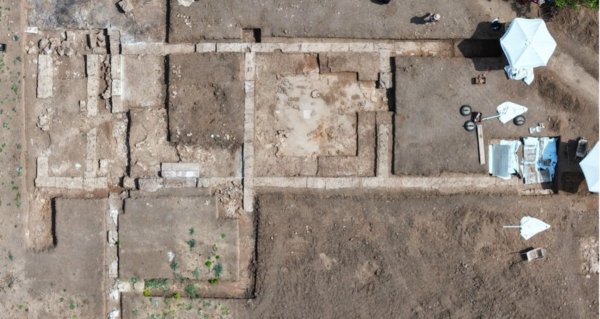
In the lush landscape of ancient Mieza, northern Greece, a remarkable archaeological discovery is bridging the gap between myth and historical reality. Excavations led by Dr. Angeliki Kottaridi have revealed the ruins of what researchers identify as the Royal Gymnasium—the very school where the legendary philosopher Aristotle served as tutor to a young Alexander the Great.
The site, which dates back approximately 2,400 years, was not merely a building but a sophisticated educational hub. Recent findings at the location offer an intimate look at the daily lives of the Macedonian elite who studied there, including the future king whose empire would eventually stretch across three continents.
Beyond the Ruins: The Tools of Genius
While the architectural remains of the gymnasium provide structural context, the smaller, personal items discovered on-site are what truly capture the imagination. Among the most significant findings are:
- Intact stone benches where students sat for lectures.
- Four ancient styluses used for writing on tablets.
- Mosaic-covered halls indicating the high status of the facility.
- Evidence of a layout consistent with early Macedonian gymnasia.
These artifacts transform the site from a cold archaeological dig into a 'living classroom.' They suggest an environment where Alexander was schooled not just in military tactics, but in philosophy, natural science, and political theory—disciplines that would fundamentally shape his approach to kingship and governance.
These objects are personal, portable, and humble. Yet their significance is immense. They transform our perception of the gymnasium from an abstract site of instruction into a living classroom where young men bent over tablets.
— The Archaeologist
A Violent End to a Center of Knowledge
The history of the site extends beyond its period of peak academic influence. Excavation data indicates that the complex met a dramatic end in the second century BC, when Roman forces violently destroyed the structures following the subjugation of Macedonia. Historians believe this act was intentional, aimed at dismantling symbols of Macedonian power and erasing collective memories of their intellectual and political heritage.
While some historians like Miltiades Hatzopoulos call for further scholarly publication to confirm the definitive nature of the site, the current consensus among the excavation team suggests that the Mieza gymnasium stands as the most compelling physical link we have to the education of one of history’s most influential figures.