technology & privacy••5 min read

Why Cities Are Hitting the Brakes on Flock Safety Camera Networks

Law enforcement agencies across the U.S. are facing mounting pressure to regulate their use of Flock Safety’s extensive license plate reader network. From new audit mandates to temporary moratoriums, here is why the tide is turning on municipal surveillance.

Why Cities Are Hitting the Brakes on Flock Safety Camera Networks

A Surveillance Network Under Scrutiny

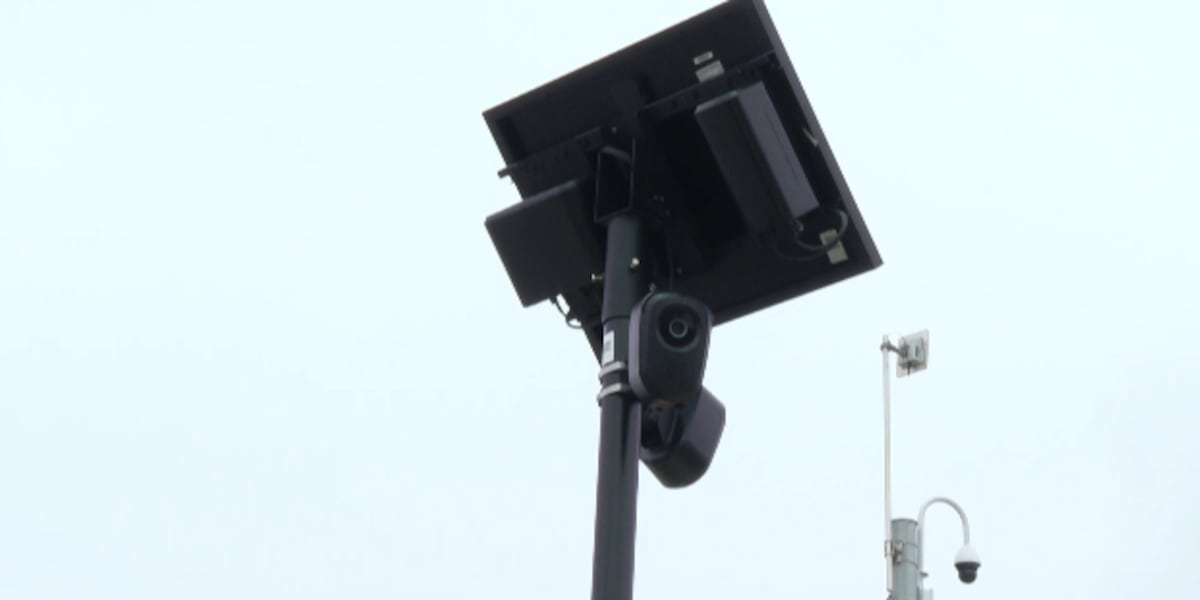
Flock Safety has become a staple of modern public safety, with its automated license plate readers (LPRs) deployed in thousands of cities. However, the rapid expansion of this 300,000-device network is meeting fresh resistance. Recent months have seen a surge in local government intervention, ranging from the implementation of strict audit policies to outright calls for operational pauses.

In Dougherty County, for example, police recently enacted a formal usage and monitoring policy for the cameras. Meanwhile, in Cleveland, the Police Commission has voted to urge a pause on the use of these systems until new, rigorous rules are established—a move set to take effect by January 1 if requirements aren't met.

The Core Conflict: Privacy vs. Public Safety

The controversy largely centers on how data is collected, stored, and accessed. While Flock Safety maintains that its systems are designed for specific public safety investigations rather than constant, mass monitoring, critics argue that the sheer scale of the network creates a perpetual dragnet.

  • Data Retention: While default settings often delete data after 30 days, local policy can modify these windows.
  • Accountability: Flock features audit logs designed to track who accesses data and for what reason, a tool now being mandated by local police departments.
  • Technology Limits: Flock emphasizes that their systems use vehicle characteristic searches rather than facial recognition technology.

Pushing for Transparency

The push for regulation isn't just coming from city halls; it's bubbling up from citizens as well. In Simpsonville, for instance, public meetings have seen heated protests and even legal threats as residents push back against the integration of these systems in their neighborhoods.

The visibility of Flock Safety's national device footprint has become a point of contention for privacy advocates.

For its part, Flock Safety has pursued SOC 2 Type II certification to demonstrate that its platform meets industry standards for security and auditing. The company argues that these features provide the transparency required to hold officials accountable. However, as public scrutiny intensifies, the future of these networks may rely less on the technology itself and more on the strength of the oversight policies governing them.

Key Takeaways

  • Dougherty County police have implemented formal audit policies for their Flock camera usage.
  • Cleveland officials have voted to pause the use of Flock cameras starting January 1 unless new regulatory rules are finalized.
  • Flock Safety maintains that its systems do not use facial recognition, focusing instead on vehicle license plate data.
  • The company emphasizes that their platforms include audit logs to track unauthorized access to data.
  • Public protests are increasing as citizens demand more control over municipal surveillance programs.

FAQ

Do Flock Safety cameras use facial recognition?

No. According to the company, Flock Safety cameras are designed to search for vehicle characteristics and license plates, not to identify or track individuals.

How long is the camera footage stored?

By default, Flock Safety footage is stored for 30 days before being permanently deleted, though local policies can adjust this duration.

Why are some cities pausing the use of these cameras?

Cities like Cleveland are mandating a pause until new, stricter oversight rules and audit policies are officially implemented to address privacy concerns.

Who controls the data collected by these cameras?

Local law enforcement agencies or community groups set the policies for how the system is used and audited within their specific jurisdictions.

Related Videos

What are Flock Cameras? How They Work, Police Use, and Privacy Concerns

Odells Odyssey

How Flock cameras work and why they raise privacy concerns

FOX 32 Chicago

Flock Cameras: What Your City Isn't Telling You

Ron Chapman Off Air

Sources