A Playful Face for Powerful AI
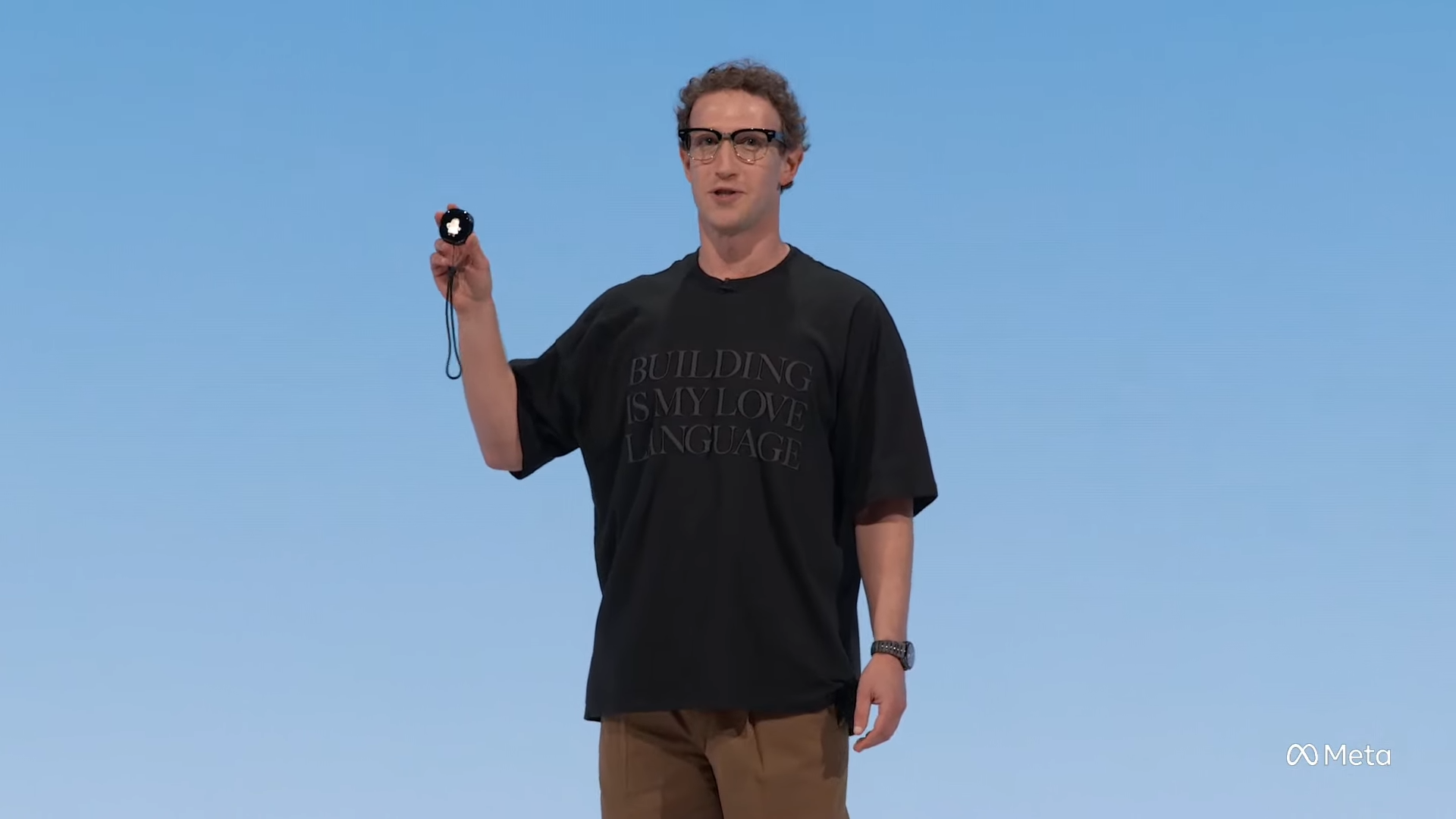
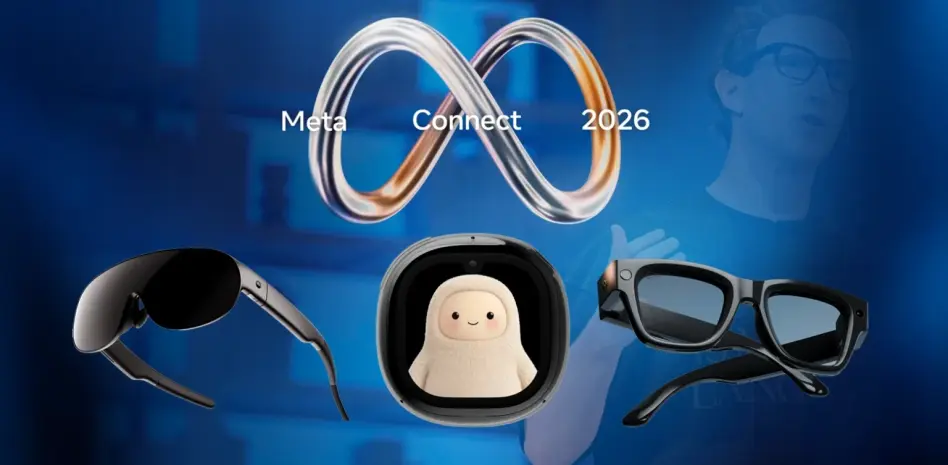
At Meta Connect 2026, the company unveiled its latest hardware ambition: the Muse Charm. Positioned as a portable companion for Meta's personal AI agent, the device is designed to provide voice-based interaction in real-time. With a compact form factor reminiscent of 90s digital pets like the Tamagotchi, the Charm is clearly aiming for a friendly, approachable vibe that contrasts with the technical complexity of the AI living inside it.
However, this aesthetic choice has sparked a debate. Critics argue that the 'cute' design—often compared to characters like Labubu—is a psychological tactic designed to lower user defenses and encourage the sharing of sensitive personal data. By masking powerful data-collection technology behind a toy-like interface, Meta is betting that users will be more comfortable inviting AI into their intimate, everyday routines.
Privacy Concerns and Security Hurdles
The transition from screen-based AI to wearable, always-on technology brings significant scrutiny. Because the Muse Charm potentially has access to calendars, emails, and financial information, security experts have labeled it a 'high-value target.' The device has already faced calls for urgent security fixes shortly after its announcement.
- Data Collection: Experts warn that embedding AI in wearables gives Meta continuous access to health metrics, social interactions, and dietary habits.
- Public Perception: There is ongoing tension regarding whether such devices, if equipped with cameras or microphones, infringe on the privacy of people in the user's vicinity.
- Market Limitations: Amazon has already blocked the Muse AI agent from accessing its platform, citing data security and privacy concerns, which limits the assistant's utility for online shopping.
Meta insists Muse Charm will have 'state of the art' privacy and security, but no specific technical details have been published to satisfy skeptics.
— Progressive Robot
Is the Charm More Than a Gimmick?
For Meta, the Muse Charm is a bridge for users who want the benefits of a personal AI agent but aren't ready to commit to smart glasses. By providing a low-friction, physical interface, Meta hopes to embed its Muse ecosystem into the lives of a wider demographic. Whether that succeeds will depend on if the company can address the mounting privacy concerns that have already plagued its previous attempts at AI-driven hardware.