
A Landmark Achievement for Heavy-Lift Spaceflight
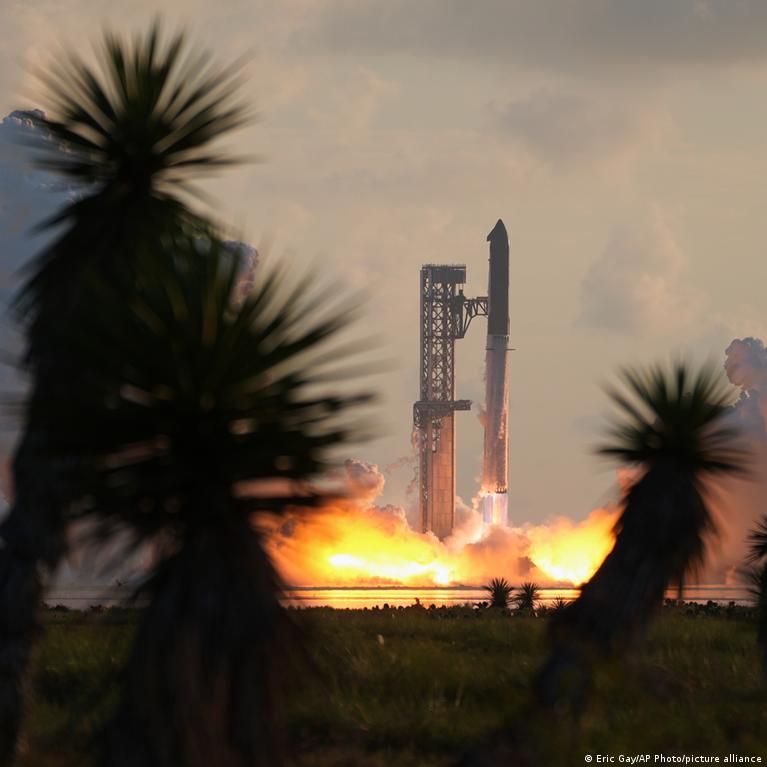
SpaceX has officially entered a new era of space exploration. On September 28, 2026, the company successfully launched its supersized Starship rocket into orbit for the first time. The 14th test flight of the massive launch system, conducted from Starbase in South Texas, serves as a critical proof-of-concept for the vehicle’s design and its future role in NASA's Artemis moon program.
Mission Success and Starlink Deployment
While the mission hit several of its core objectives, the flight plan saw a slight deviation from original projections. Instead of executing six full laps around Earth, the spacecraft will conclude its flight early with a controlled splashdown. Despite this adjustment, the mission achieved the primary goals of reaching orbit and deploying 26 next-generation Starlink V3 satellites.
- First successful orbital insertion for the Starship vehicle.
- Successful deployment of 26 Starlink V3 satellites into low Earth orbit.
- Advancement of the Super Heavy booster's recovery systems through test objectives.
- Validation of the Starship architecture for future, long-duration cargo and crew missions.
Why It Matters: The Path to Total Reusability
The success of this orbital test is more than just a win for Starlink capacity; it is a fundamental milestone for the future of space travel. SpaceX is engineering the Starship to be a fully and rapidly reusable heavy-lift vehicle, which would drastically reduce the cost of access to orbit. Each successful test flight provides critical telemetry data that helps engineers iterate on launch-and-landing procedures.
Securing a successful splashdown for both stages of the rocket remains a key focus of the latest flight, as SpaceX continues to refine the design for rapid reusability.
— SpaceX Mission Briefing