technology & policy••5 min read

The Future of H-1B: Inside the Trump Administration’s $100,000 Visa Fee Plan

The U.S. government is considering aggressive reforms to the H-1B visa program, headlined by a proposed $100,000 annual fee per employee. As regulators investigate potential program fraud, these changes signal a major shift for the tech industry and international professionals.

The Future of H-1B: Inside the Trump Administration’s $100,000 Visa Fee Plan

A Major Pivot in Immigration Policy

The landscape for foreign skilled workers in the United States is bracing for a transformation. The Trump administration has signaled a series of sweeping reforms aimed at the H-1B visa program, a primary pathway for international professionals entering the U.S. technology sector. At the center of this debate is a proposed $100,000 annual fee per H-1B employee, a move that administration officials argue will curb the displacement of American workers and prioritize elite talent.
Department of Labor officials have indicated that significant reforms to the H-1B program could be implemented within the next year.

Why the Policy is Changing

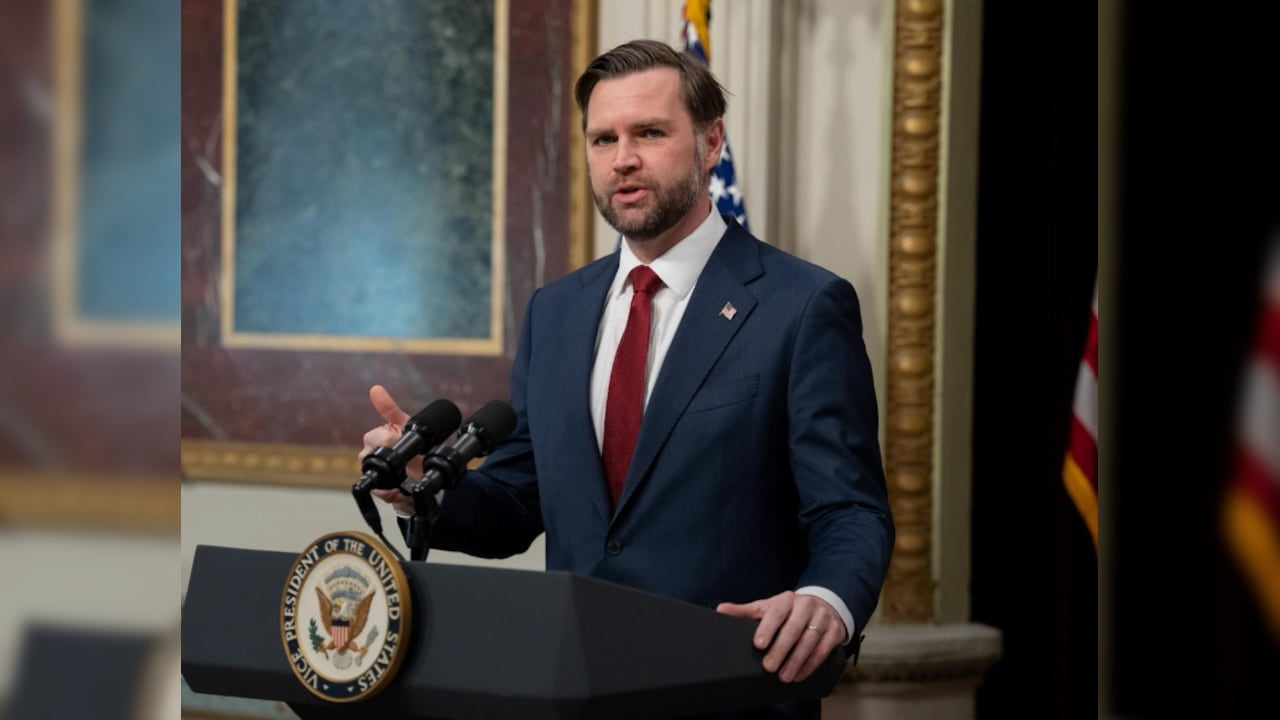
Vice President JD Vance has defended the aggressive fee structure, emphasizing that the program should function to attract exceptional talent rather than serving as a mechanism to replace American workers with lower-paid foreign labor. The policy direction appears focused on reducing general reliance on the program and tightening compliance.

  • Proposed $100,000 annual fee to discourage the use of foreign labor for lower-cost roles.
  • Internal investigations into H-1B fraud led by the Department of Labor’s Inspector General.
  • Potential removal of the 60-day grace period for workers to find new jobs after a layoff.
  • Increased scrutiny regarding university and nonprofit exemptions from the current lottery system.

The Potential Industry Impact

The economic implications could be far-reaching. Industry analysts suggest that while the administration aims to raise revenue and protect domestic roles, the cost burden may hit startups, hospitals, and universities the hardest. Unlike massive tech giants with significant capital, smaller organizations may struggle to maintain their workforce if these costs are codified into law.

I expect the new H-1B policy will bring a number of negative consequences for the US, though it will take some time to see what those may be.

— Immigration Attorney

What Lies Ahead

With Department of Labor officials hinting that the H-1B program could look entirely different within the next 365 days, the tech sector remains in a state of uncertainty. Legal challenges are widely expected, as stakeholders weigh the administrative goals of the current presidency against the long-term workforce needs of the American innovation economy.

Key Takeaways

  • The Trump administration is proposing a $100,000 annual fee for H-1B visa holders.
  • The stated goal is to prioritize exceptional talent and prevent the displacement of American workers.
  • The Department of Labor is actively investigating the program for fraud, signaling imminent reform.
  • Proposed changes include potentially scrapping the 60-day grace period for laid-off workers.
  • Industries such as healthcare, higher education, and tech startups may face the most significant operational challenges.

FAQ

What is the primary reason for the proposed $100,000 H-1B fee?

The administration argues that the fee will prevent companies from replacing American workers with lower-paid foreign labor and ensure only highly skilled talent is brought into the country.

Is the $100,000 fee already in effect?

No, it is a proposal under the current administration's plan to reform the H-1B visa system within the coming year.

How could this affect laid-off H-1B workers?

There is a proposal to scrap the current 60-day grace period, which would make it much harder for H-1B workers to remain in the U.S. while seeking new employment after a layoff.

Will these changes face legal challenges?

Yes, legal experts and immigration lawyers expect significant legal pushback against the proposed changes, which could delay or alter their implementation.

Related Videos

October Visa Bulletin Delay: Why?

RedBus2US

U.S. Green Card Rules Change: What Indians Must Know

CNN-News18

US Plans Major Changes to H-1B & Student Visa Rules

Firstpost

Sources