
The Shift from Self-Regulation to Legislation
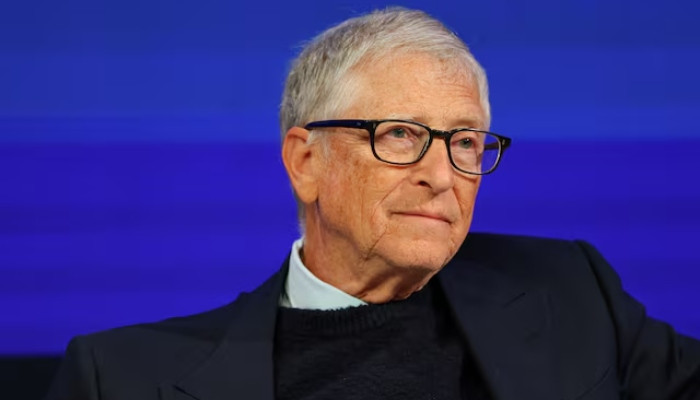
For years, the tech industry has largely operated under a model of self-regulation, where companies set their own internal ethical guardrails for AI development. However, Microsoft co-founder Bill Gates is signaling that this era must come to an end. In recent statements, Gates underscored the necessity of formal government legislation to manage the rapidly evolving risks associated with artificial intelligence.
During his recent engagements, Gates emphasized that as AI becomes more sophisticated, the potential for harm grows beyond the scope of corporate oversight. His call for action is directed at Congress, suggesting that the public good requires legally binding frameworks that go beyond what private entities are willing or able to enforce on their own.
Why Now? The Risks of Unchecked Innovation
The push for regulation stems from concerns about the scale of impact that AI could have on global systems. Experts and industry leaders alike are noting that the speed of technological evolution is currently outpacing the ability of lawmakers to draft effective policy. Gates' warnings highlight the potential for catastrophic outcomes if the development of powerful AI remains solely in the hands of private interests without strict, public-facing accountability.
- The shift from voluntary corporate standards to mandatory federal law.
- Concerns regarding the scale of potential damage, with some estimates citing significant public safety risks.
- The need for proactive rather than reactive policy in the face of rapid technical advancement.
- The struggle for current regulatory bodies to keep pace with AI sophistication.
Self-regulation is not enough.
— Bill Gates
The Path Forward for AI Governance
The debate surrounding AI regulation is complex. While proponents of legislation argue that guardrails are essential to prevent misuse and bias, others warn that overly rigid rules could stifle innovation or disproportionately impact open-source development. However, the emerging consensus—now bolstered by Gates—is that a risk-based approach is likely the most sustainable path forward.
As Congress begins to weigh the specifics of potential AI legislation, the focus will likely remain on balancing safety with growth. Ensuring that AI serves the public interest will require a cooperative effort between lawmakers, tech giants, and the public to ensure that as the technology scales, the necessary safety nets are already in place.