A New Window Into the Obscure
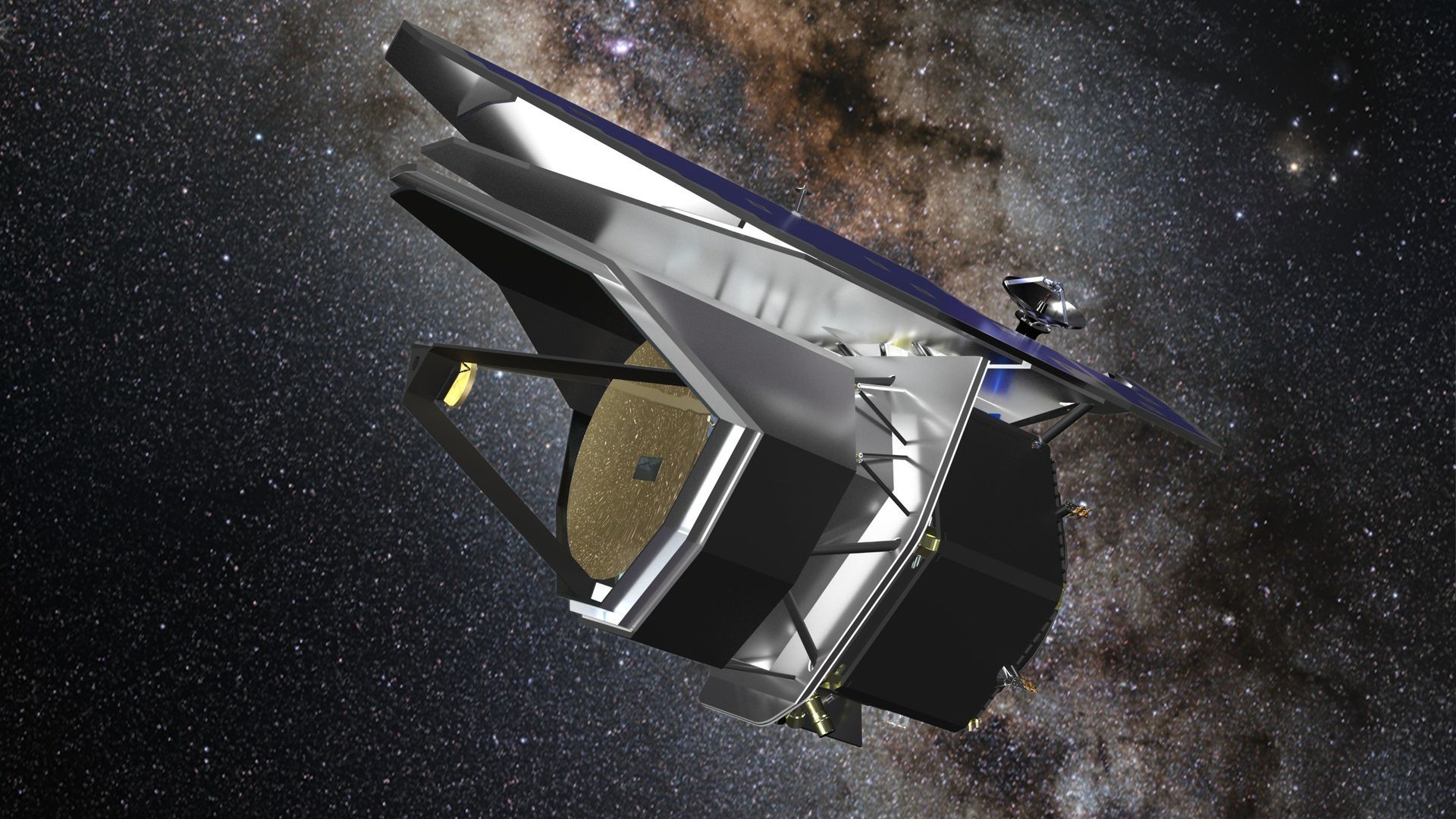
NASA is officially moving forward with the Probe far-Infrared Mission for Astrophysics, or PRIMA. Announced as the first of a new class of "Probe Explorers," the telescope is designed to fill a critical gap in our astronomical capabilities. While observatories like the James Webb Space Telescope (JWST) have transformed our view of the infrared universe, PRIMA is specifically built to look at far-infrared light, enabling it to see through thick clouds of cosmic dust that obscure the formation of stars and planets.
Why PRIMA Matters for Cosmology
The universe is filled with dust that blocks visible light, often hiding the most active regions of galaxy growth and planetary development. By observing in the far-infrared spectrum—specifically between 24 and 235 micrometers—PRIMA will provide unprecedented clarity into the building blocks of the cosmos.
- Planetary Origins: Understanding how planets form and how water was delivered to Earth.
- Galactic Evolution: Mapping the co-evolution of galaxies and their central black holes.
- Cosmic Dust: Analyzing the changing properties of metals and dust over billions of years.
- Spectroscopic Depth: Providing deep, sensitive surveys that bridge the gap between infrared and radio telescopes.
Development and Collaboration
PRIMA has been approved to move into Phase B, allowing NASA to refine its technical design and solidify its budget. The project carries a cost cap of $1.2 billion—excluding launch costs—making it a significant, yet targeted, investment in space infrastructure. The mission is a massive collaborative effort, involving NASA's Jet Propulsion Laboratory, Goddard Space Flight Center, and Marshall Space Flight Center, with international contributions from agencies in Canada, France, Germany, Japan, South Korea, and the United Kingdom.
The PRIMA mission is humanity’s next window into the deep universe. It will unveil the obscure across cosmic time to better understand the formation of planets, stars, black holes, and even how water on Earth came to be.
— Nicky Fox, Associate Administrator, Science Mission Directorate, NASA
The Path to 2033
With a 1.8-meter (5.9-foot) primary mirror cooled to a frigid 4.5 Kelvin (roughly -451° Fahrenheit), the telescope is engineered for extreme sensitivity. It will be positioned at the Sun-Earth L2 Lagrange point, roughly one million miles from Earth. If successful, the mission will spend five years observing the heavens, building on the legacy of previous missions like the Spitzer and Herschel space telescopes.