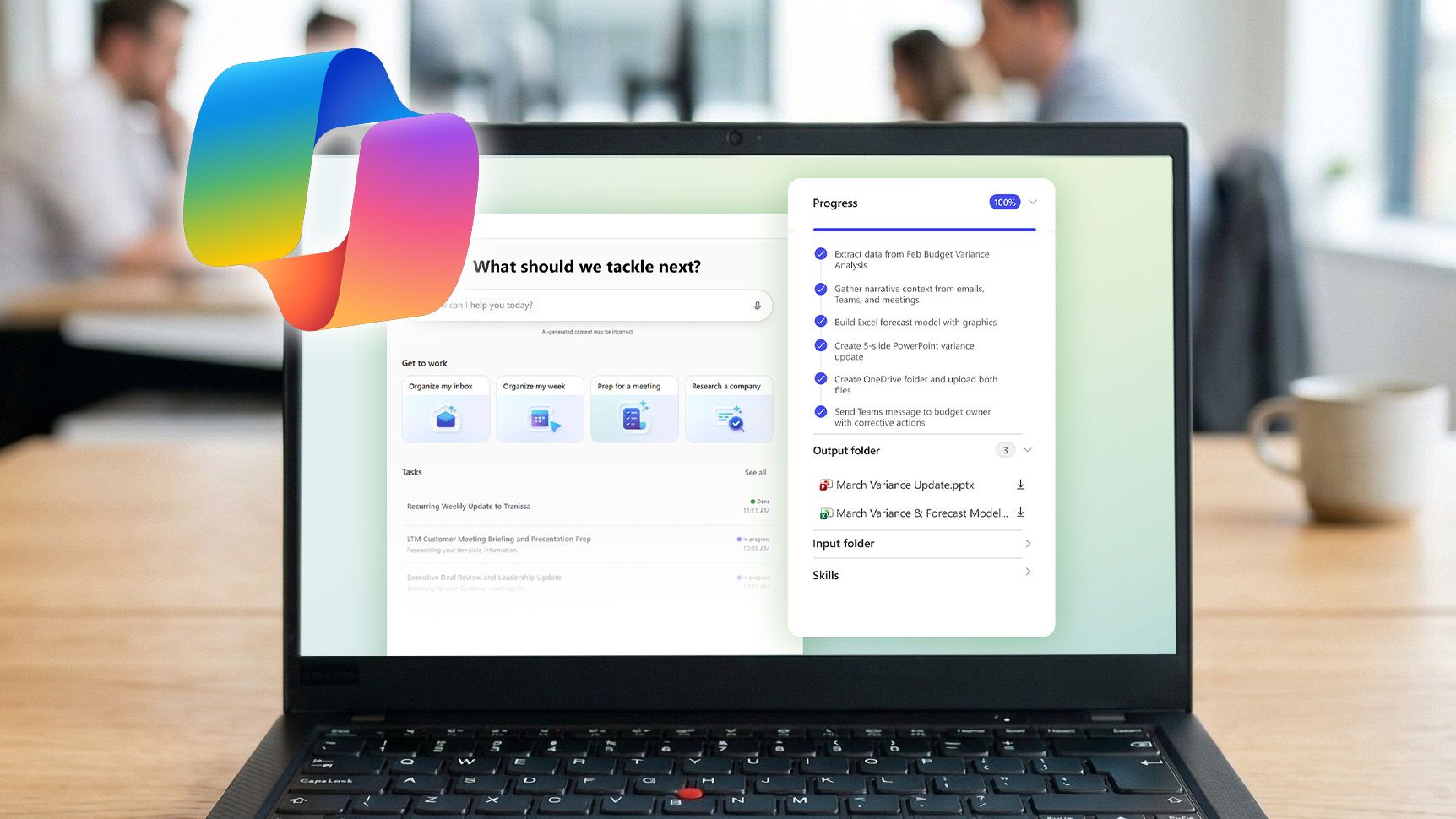
A Unified Direction for Microsoft AI
Microsoft is moving past the experimental phase of its artificial intelligence rollout. In a strategic pivot, the company is updating the Copilot app to consolidate its capabilities, aiming to move away from fragmented AI tools toward a more cohesive user experience. This update is designed to make AI a central pillar of the Windows operating system and enterprise software stack.

Why the Strategy Matters
For months, Microsoft has been iterating on how AI integrates into the daily lives of both enterprise users and Windows consumers. The challenge has been moving beyond the 'gimmick' perception and demonstrating real utility. By unifying the platform, Microsoft intends to:
- Reduce friction for users by providing a single point of interaction for AI tasks.
- Simplify the learning curve for employees using Microsoft 365 applications.
- Strengthen its competitive position against rivals like Anthropic by leveraging its massive existing user base.
- Integrate AI deeper into the Windows OS to make it an 'everyday companion'.
Enterprise Focus and Long-Term Integration
The push toward a unified Copilot is largely driven by the company’s enterprise ambitions. Microsoft recognizes that its strength lies in its deep ties to corporate IT departments and the sheer ubiquity of the Windows platform. Unlike earlier, more siloed releases, this strategy focuses on turning AI into a standard professional tool that automates routine workflows—such as summarizing emails, drafting reports, and managing project plans—without forcing employees to switch environments.
I think a lot of what we've seen so far has been kind of inside the tech bubble, while Windows is a product that reaches a significant portion of the planet.
— Aaron Woodman, VP of Windows marketing at Microsoft