
A Historic Milestone for the Global Commons
For decades, the high seas—the vast expanse of ocean beyond the reach of any single country—were treated as a distant, ownerless frontier. That era has officially ended. As of September 2026, the High Seas Treaty, also known as the BBNJ (Biodiversity Beyond National Jurisdiction) Agreement, has reached a critical milestone with over 100 nations formally ratifying the document.
This triple-figure surge comes following the treaty's official entry into force on January 17, 2026. With major international players including Canada, Australia, and Germany now on board, the agreement is moving from a diplomatic ambition to a tangible legal framework designed to protect the 64% of the global ocean that was previously left vulnerable to unchecked exploitation.
Why the BBNJ Agreement Changes Everything
Until now, the UN Convention on the Law of the Sea (UNCLOS) primarily regulated human economic activities, such as industrial shipping and scientific research. However, it lacked a holistic mechanism to manage biodiversity. The BBNJ Agreement fills this void by focusing on four interconnected pillars:
The treaty allows for the creation of deep-ocean MPAs, requires environmental impact assessments for new industries, and promotes international cooperation and knowledge-sharing. This strengthens efforts to safeguard seamounts, ridges, and abyssal habitats before they are irreversibly lost.
— Charles Darwin Foundation
The Path Toward a Healthier Ocean
The implementation of the treaty is not just an administrative win; it is an essential step toward achieving the global goal of protecting 30% of the world's oceans by 2030. By fostering a science-first approach—supported by data-sharing mechanisms like the Ocean Biodiversity Information System (OBIS)—nations are finally creating a coordinated defense for the planet's remaining submerged wilderness.
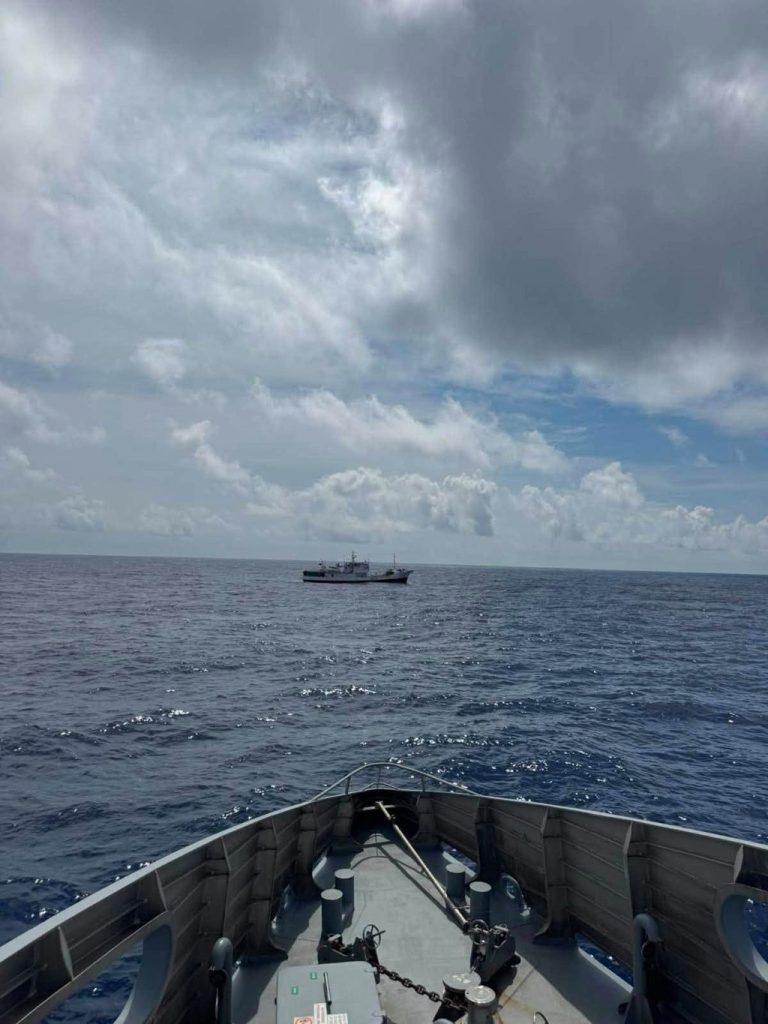
As the global community prepares for the first post-ratification conference, the focus now shifts to enforcement. From naval patrols detecting illegal, unreported, and unregulated fishing to the establishment of scientific clearing-houses, the success of the treaty will depend on how quickly these commitments are transformed into active oversight on the water.