energy & geopolitics••5 min read

From Gulf to US: How the Iran War Is Redrawing India’s LPG Import Map

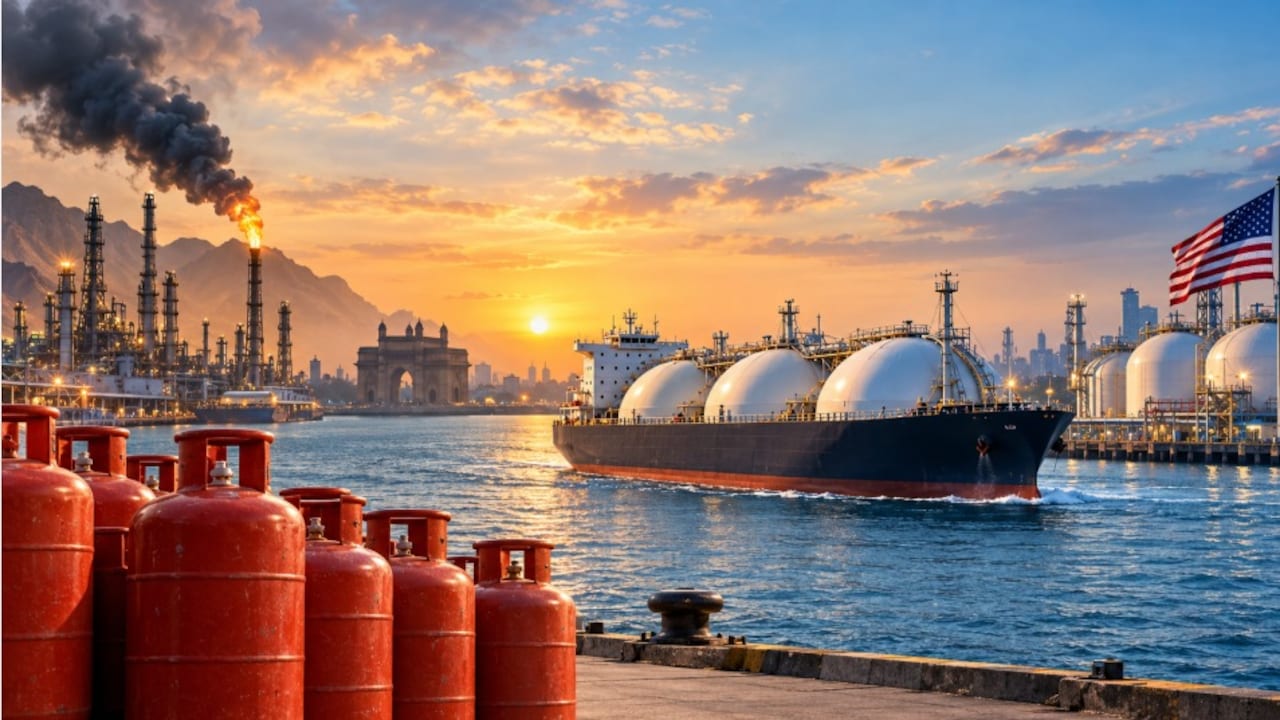
Geopolitical tensions in the Strait of Hormuz have forced India to pivot its energy import strategy. By shifting away from traditional Gulf routes, India is increasingly turning to the United States to secure its critical LPG supply.

From Gulf to US: How the Iran War Is Redrawing India’s LPG Import Map

A Geopolitical Wake-Up Call

For years, the Strait of Hormuz has functioned as a silent artery for India’s energy needs. With nearly 90% of India's imported Liquefied Petroleum Gas (LPG) historically transiting through this narrow chokepoint, any disruption in the region translates directly into a domestic crisis. The ongoing Iran-related conflict has turned this theoretical vulnerability into a stark reality, forcing New Delhi to rapidly rethink its supply chain architecture.
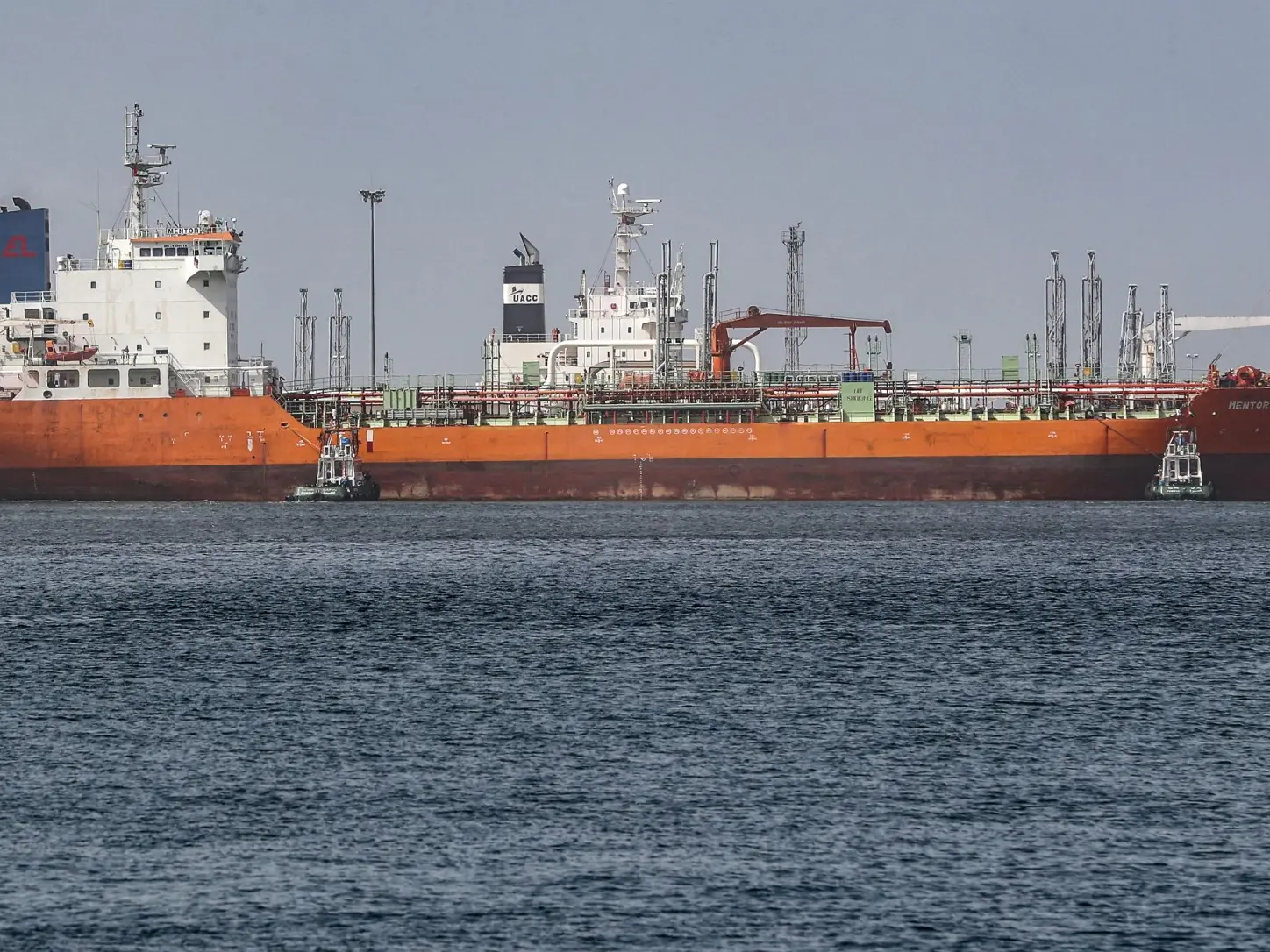
Ports like Fujairah are becoming critical alternatives as traditional routes face disruption.

The Shift to Western Markets

The impact of the instability is already reflected in trade data. While the US accounted for a mere 6% of India’s LPG imports just last year, that figure has now surged past 20%. This structural realignment is not merely a reactionary move; it is a calculated effort to insulate India's economy from regional volatility.

  • US emergence as a primary supplier: Over 20% of Indian LPG now originates from the US.
  • Diversification of routes: India is leveraging ports in Oman and the UAE, such as Sohar and Fujairah, to bypass traditional Hormuz chokepoints.
  • Volatility management: Despite efforts to diversify, delivered LPG premiums have experienced significant pressure, recently rebounding toward $450 per tonne.

Why It Matters for the Global Energy Map

India’s struggle is a microcosm of a broader global shift. As the world’s third-largest oil importer and a massive consumer of LPG, India’s movements carry significant weight. The current crisis highlights the fragility of reliance on singular maritime corridors. For India, the path forward involves balancing immediate import needs with long-term strategic investments in energy independence and stable, trans-Atlantic partnerships.

The crisis is not simply a regional conflict, but a systemic shock that exposes the fragility of global supply chains and the enduring importance of strategic chokepoints like the Strait of Hormuz.

— International Relations Review

Key Takeaways

  • India is diversifying away from the Strait of Hormuz due to rising regional conflict.
  • The US has quadrupled its share of India’s LPG imports in just one year.
  • Ports in Sohar (Oman) and Fujairah (UAE) are being utilized to mitigate supply route risks.
  • Energy premiums have spiked, reaching near-record highs of $450 per tonne.
  • This shift represents a permanent change in India's energy sourcing strategy to ensure long-term security.

FAQ

Why is the Strait of Hormuz important to India?

Historically, nearly 90% of India's imported LPG and a significant portion of its crude oil and LNG transited through the Strait of Hormuz, making it the most critical chokepoint for India's energy security.

How has the US role in India's energy supply changed?

The US has moved from a minor supplier (6% of LPG imports) to a major partner, now accounting for over 20% of India's LPG imports as India looks to reduce dependency on the Middle East.

Are there alternative routes for Indian energy imports?

Yes, India is increasingly utilizing alternative ports like Sohar in Oman and Fujairah in the UAE to bypass the Strait of Hormuz.

What is the economic impact of these disruptions?

Disruptions have led to higher delivered LPG premiums—reaching nearly $450 per tonne—and increased fiscal pressure on India's energy import costs.

Related Videos

Strait Of Hormuz Tensions: How Vulnerable Is India’s Energy Supply?

NEWS9 Live

India Classifies Oil, Gas Data As Strategic Asset Amid Supply Risks

WION

India LPG Supply Explained

Daily Current Affairs Audio by EduRev

Sources