A Market in Transition
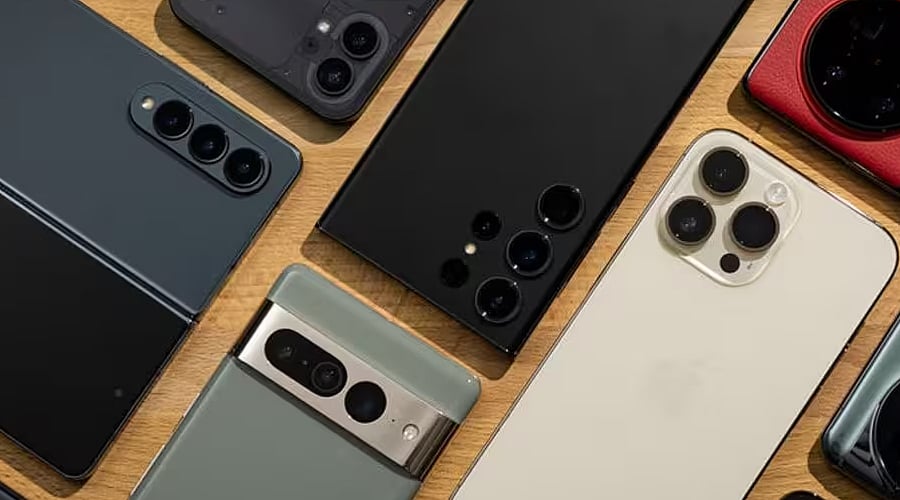
The smartphone industry in 2026 is no longer focused solely on volume. According to recent data from Omdia, the global market is forecast to contract by 12% in shipment units this year, yet the total market value is projected to rise by 12% to $651.6 billion. This disconnect reveals a stark reality: consumers are buying fewer phones, but the devices they are purchasing are significantly more expensive.
The Cost of Cutting-Edge AI
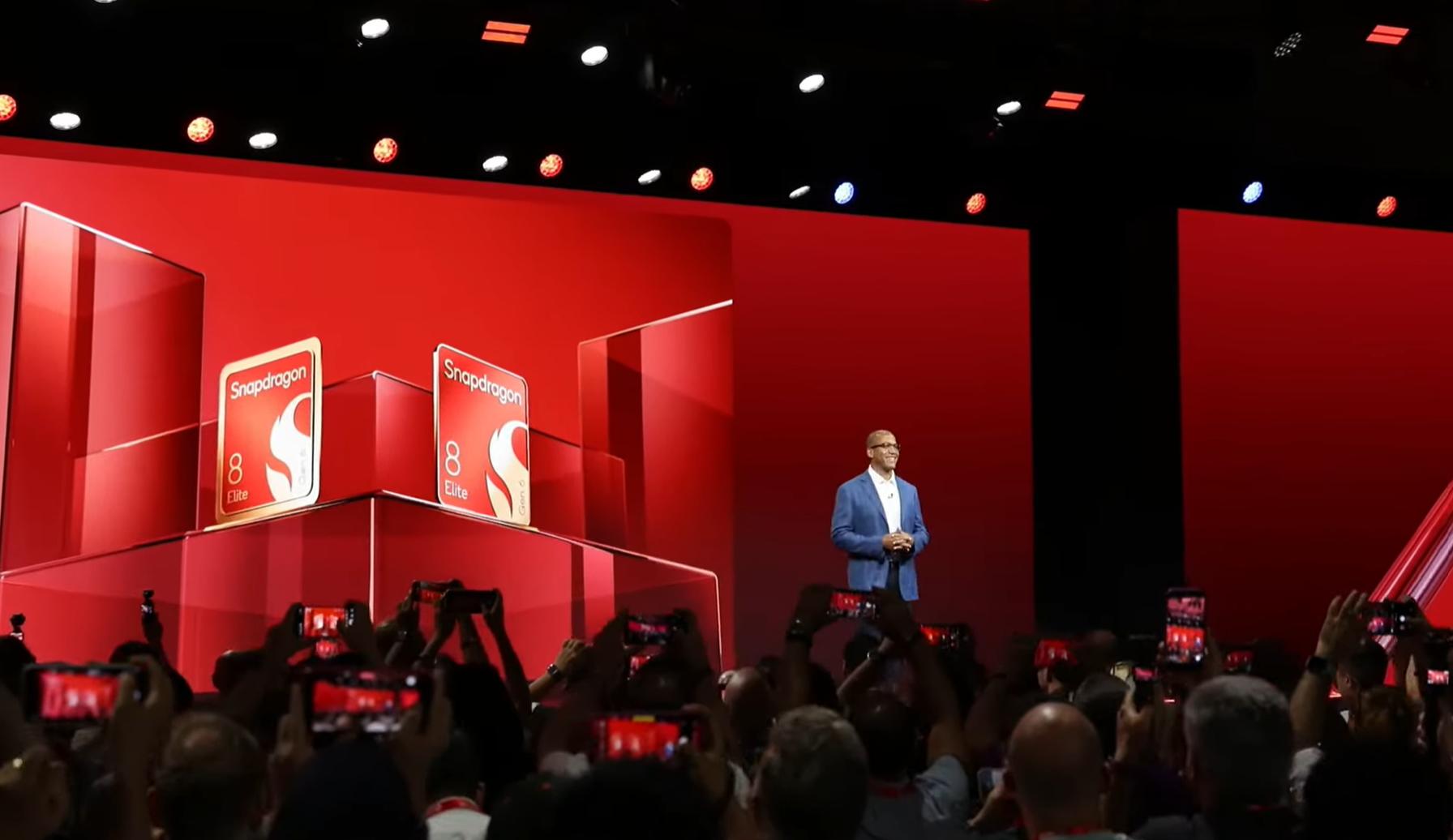
At the heart of this price hike is a revolution in processing power. At the 2026 Snapdragon Summit, Qualcomm debuted its new 2nm-based chips: the Snapdragon 8 Elite Gen 6 and the Extreme Gen 6. The latter marks a technical milestone as the first mobile chip capable of running 30-billion-parameter AI models entirely on-device, bypassing the need for cloud access.
However, this power comes at a premium. The transition to the TSMC 2nm N2P process, while efficient, is significantly more expensive than previous manufacturing nodes. Industry analysts confirm that these higher production costs, combined with a narrowing segment of affordable, sub-$200 devices, will inevitably lead to higher retail prices for 2027 Android flagships.
- The sub-$200 segment share is projected to drop from 40.6% in 2025 to 25.6% by 2027.
- Premium devices priced above $800 are expected to represent a larger market share than all budget devices combined by 2027.
- Global average selling prices (ASPs) are rising, with a projected 33% increase from 2025 to 2027.
The broad base of affordable devices is narrowing, while premium tiers are accounting for a larger share of the market.
— Jusy Hong, Senior Research Manager at Omdia
Beyond the Flagship: The Upgrade Wave
This premiumisation trend isn't limited to the top-tier of tech enthusiasts. Data from the first half of 2026 indicates a widespread 'upgrade wave.' Consumers across various demographics are prioritizing higher-end goods, from premium automobiles to more expensive smartphones. Brands are successfully chasing this affluent demand even in smaller towns and rural markets, signaling that the desire for high-spec technology has moved well beyond urban hubs.