A Shift in Strategy at the UN
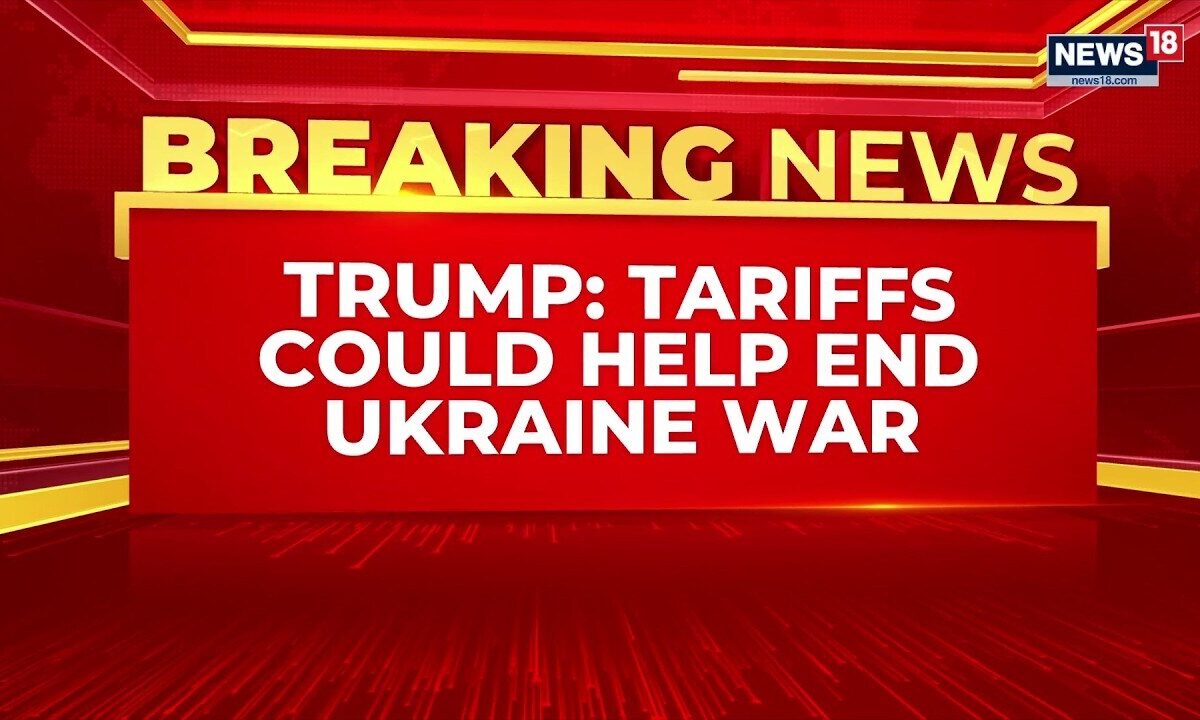
President Donald Trump took the stage at the 81st United Nations General Assembly with a clear message: the status quo in the Russia-Ukraine war is no longer acceptable. After months of failed attempts to secure a peace deal, the administration is shifting gears, pivoting toward a aggressive economic strategy centered on a potent new tool: the threat of secondary tariffs.
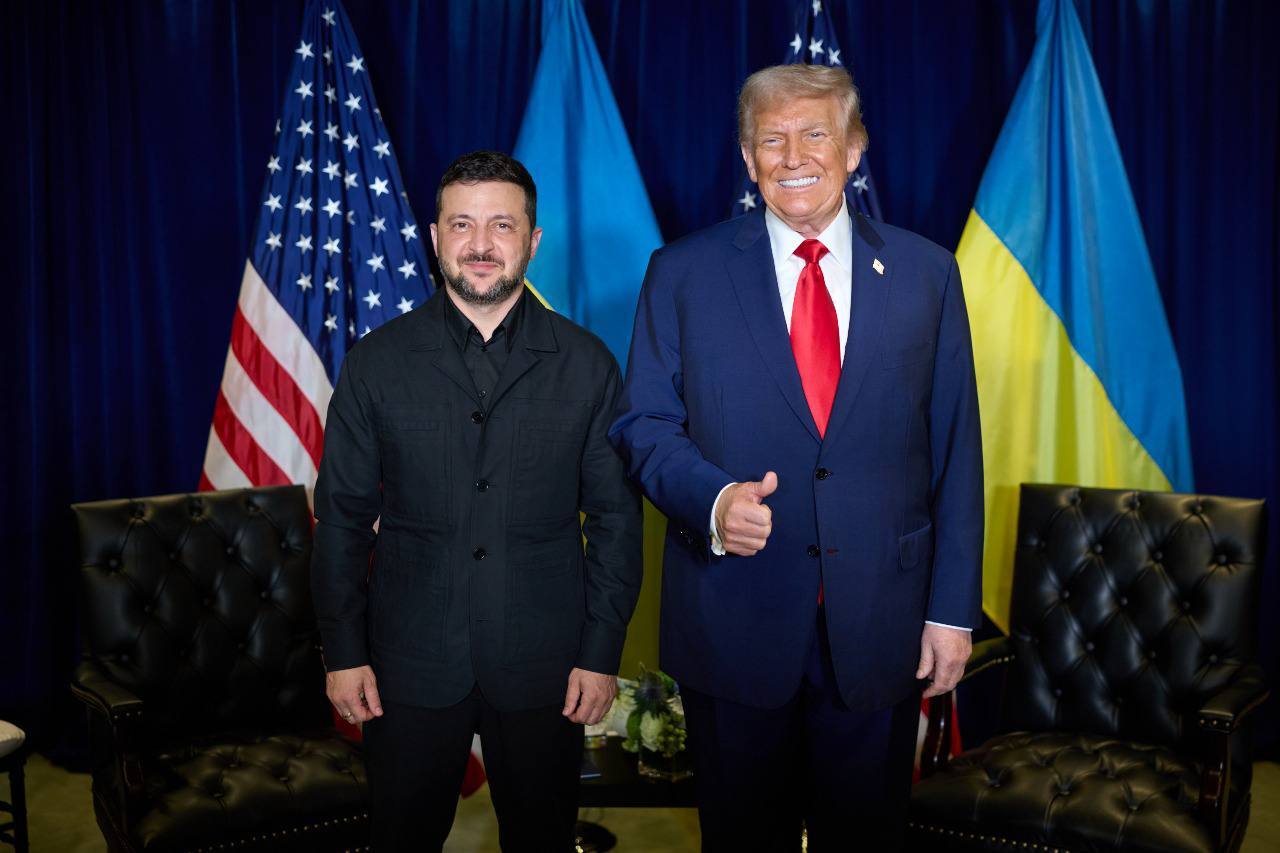
The move comes alongside reports that President Volodymyr Zelensky is engaging with the White House to present concrete security proposals. While the U.S. continues to bolster Ukraine’s military support, the administration is betting that the most effective way to reach Vladimir Putin is through the Russian war economy, which has already shown signs of strain.
The Mechanics of Secondary Tariffs
The proposed strategy hinges on a bill that recently cleared the U.S. Senate with strong bipartisan backing. Unlike traditional sanctions that target Russian entities directly, these 'secondary' tariffs focus on the third-party nations and corporations that continue to facilitate trade with Moscow.
- Proposed tariffs could reach as high as 100% on goods from major buyers of Russian oil and gas.
- The legislation specifically targets the five largest purchasers of Russian energy and countries deemed complicit in sanctions evasion.
- The goal is to force a choice: cease trading with Russia or face catastrophic barriers to the U.S. market.
By hitting the wallets of Russian trading partners, the U.S. hopes to drive down the price of Urals oil—a primary revenue stream for the Kremlin. Since tax receipts from the energy sector fund nearly half of the Russian federal budget, a drop in oil prices would strike directly at the Kremlin’s ability to sustain its long-term military campaign.
Risks and Global Implications
While the strategy is designed to end the war, it is not without its skeptics. The Progressive Policy Institute and other observers have raised concerns about granting the administration sweeping tariff authority. There is a fear that these powers, if left unchecked, could be used to harass U.S. allies and exacerbate inflation at home.
The administration's unchecked authority to impose new tariffs poses a high risk of further harassing America’s neighbors and allies and imposing more costs on the American economy.
— Progressive Policy Institute
Furthermore, the Baltic nations are watching closely. Latvian President Edgars Rinkevics recently warned that the region is facing an 'alarming' period as they prepare for a potential rise in Russian-led cyberattacks and disinformation campaigns in response to these mounting economic pressures.