A New Era for Industrial Power
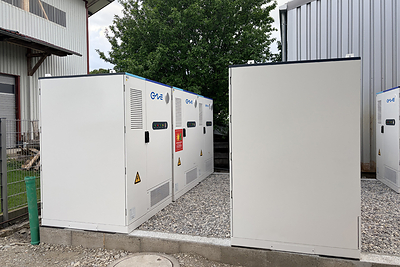
The transition to renewable energy is no longer just about generating clean power; it is about managing it effectively. A recent development in Germany illustrates this shift: CNTE has successfully integrated a sophisticated battery storage system into its factory. By coordinating seven liquid-cooled battery units with existing solar arrays, diesel backups, and the main grid through a central energy-management platform, the company is demonstrating how industrial players are taking control of their energy destiny.
Why Grid-Scale Storage Matters
As aging electrical grids struggle to accommodate bidirectional power flows and renewable energy volatility, Battery Energy Storage Systems (BESS) have emerged as a critical buffer. These systems offer far more than just power storage; they are essential for grid stabilization, frequency regulation, and even 'black start' capabilities—the ability to restart portions of the grid following a total blackout.
- Grid Stability: BESS helps manage peak demand and prevents system stress.
- Renewable Integration: Excess energy from solar and wind can be stored rather than curtailed.
- Emergency Resilience: Batteries provide reliable backup power when traditional infrastructure fails.
- Operational Efficiency: Businesses can use energy arbitrage to reduce costs by drawing from storage during peak price periods.
Scaling the Supply Chain
The surge in demand for these systems is rippling across the logistics and manufacturing sectors. Companies like DHL are actively expanding their battery and energy logistics networks to support the massive infrastructure requirements of EV supply chains and stationary energy storage. Meanwhile, investment in production plants—particularly for lithium phosphate batteries—is accelerating as the global market seeks cost-effective ways to scale production.
Prioritizing grid resilience through grid-scale energy storage is not merely an infrastructure investment. It is an investment in our energy security and economic competitiveness.
— Fluence Energy Blog
The Future of Energy Infrastructure
Looking ahead, the integration of BESS into daily industrial operations will likely become the standard rather than the exception. Policy development is already beginning to align with this, as governments increasingly link battery regulations with climate mandates and smart grid initiatives. Whether through factory-level installations or massive grid-scale deployments, the technology is rapidly maturing into the foundation of a resilient 21st-century power network.