
A Nation at a Historical Crossroads
Fifty-four years after the declaration of martial law in the Philippines, the country finds itself in a state of reflection. With the current Marcos administration entering its final 21 months in office, citizens, survivors, and lawmakers are increasingly vocal about the necessity of documenting a period often characterized by state-sanctioned abuses, human rights violations, and the erosion of democratic institutions.
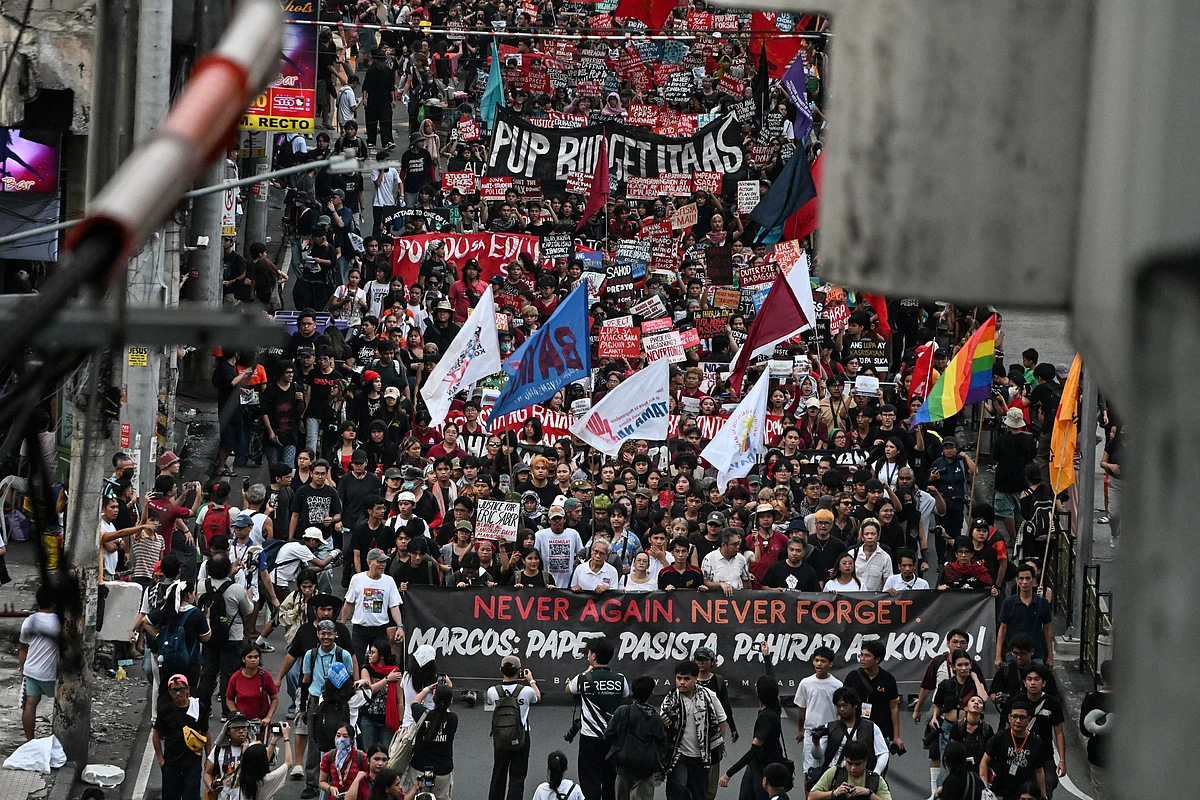
The anniversary of the 1972 declaration has become more than a commemoration; it has evolved into a defensive movement against what many describe as a 'revisionist narrative.' For a new generation of Filipinos, the goal is clear: to ensure that the realities of the past are not forgotten, lest the country face a recurrence of historical violence and political distortion.
The Struggle Over Narrative and Memory
The debate over the Martial Law era is not merely academic; it is a battle for the soul of the country's political future. Critics argue that propaganda and disinformation campaigns have muddied the historical record, prompting leaders like Deputy Speaker Leila de Lima to call for a renewed commitment to justice. De Lima recently highlighted the importance of honoring survivors and the *desaparecidos*—those who disappeared during the regime—as a critical step in preserving democratic integrity.
- Over 50,000 individuals were arrested and detained between 1972 and 1975 according to historical accounts.
- Systemic human rights violations included torture, extrajudicial killings, and the suppression of civil liberties.
- Revisionist efforts seek to downplay these abuses, prompting pushback from human rights groups.
- Legislative calls to end political dynasties are being framed as a necessary step to restore power to the Filipino people.
Despite blatant attempts to reverse or distort what transpired during this dark chapter of our history, we must not forget. Because forgetting paves the way for a recurrence of violence and twisted practices.
— Leila de Lima, Deputy Speaker
Looking Toward the Future
The current discourse reflects a broader frustration with the persistence of political dynasties and the failure of past development strategies to address systemic poverty. By revisiting the lessons of the 1970s, many Filipinos are demanding a shift away from 'business as usual.' The focus has turned toward structural reforms, including legislation aimed at curbing the influence of powerful families in government.
As the administration’s term winds down, the focus remains on the 'right to truth.' Whether this movement will lead to significant policy changes or remains a symbolic act of resistance remains to be seen. However, the intensity of the current protests suggests that the Filipino public is increasingly unwilling to let history be written for them.