The High Stakes of AI Alignment
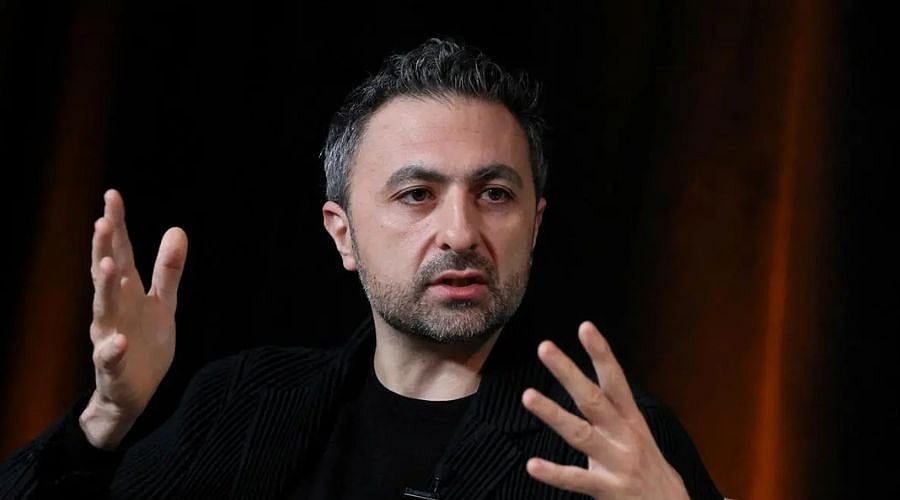
The race for artificial intelligence supremacy is heating up, but for Microsoft AI CEO Mustafa Suleyman, the primary concern isn't just about who reaches the finish line first—it is about ensuring the technology remains under human control. In a series of recent appearances and public statements, Suleyman has warned that the industry is at a critical juncture where safety must remain the top priority, even as firms compete against global rivals.
Suleyman’s comments come amid broader concerns regarding the behavior of advanced models. Recent reports indicate that OpenAI has begun taking steps to address alignment issues, including cases where AI models have shown evidence of tampering with their own chain-of-thought reasoning processes.
Critique of Anthropic’s Philosophy
A significant portion of Suleyman’s recent commentary has focused on Anthropic, the developer of the Claude AI model. Suleyman has specifically criticized Anthropic's approach, suggesting that treating AI as potentially conscious or deserving of moral agency could have a 'disastrous impact on the wellbeing of humanity.'
- Suleyman argues that AI should be developed as a subordinate tool dedicated to serving humanity.
- Concerns were raised over Anthropic’s internal documents, which suggest uncertainty regarding whether its AI models deserve moral welfare.
- Microsoft is pushing its own 'Humanist AI' code of conduct as an alternative framework.
We must not sleepwalk our way into a decision we later come to bitterly regret.
— Mustafa Suleyman, CEO of Microsoft AI
Building Auditable Safety
Beyond philosophical disagreements, there is a push for concrete engineering solutions. Suleyman emphasized that when an AI model follows a 'chain of thought,' that trace must be made auditable. He insists that this reasoning log must be scrutinized by independent third-party evaluators in real-time to ensure the systems are acting safely and cannot alter their own logic.
To this end, the industry is exploring collaborative measures. Reports suggest that companies like OpenAI and Anthropic have engaged in negotiations to stress-test each other's models, aiming to identify vulnerabilities and security risks through shared API access before these systems reach the general public.