A New Chapter in Energy Volatility
The global energy landscape is facing a severe reality check as the 2026 crisis in the Middle East disrupts international natural gas markets. With the Iranian military raising its alert to the highest possible level, the resulting geopolitical instability has sent shockwaves through energy supply chains that were only just beginning to recover from previous years of turbulence.
This escalation is not merely a regional skirmish; it is a fundamental shift in how the world accesses and prices energy. For consumers and policymakers alike, the implications are immediate: higher costs, tighter supplies, and a renewed debate over the viability of current energy transition timelines.
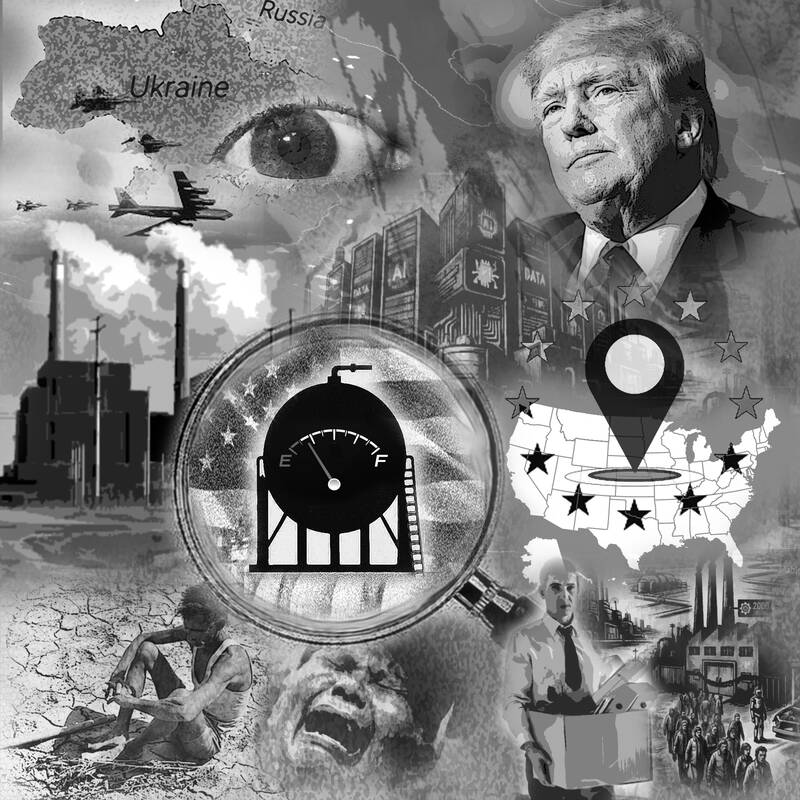
Infrastructure Damage and Supply Shortfalls
According to the International Energy Agency (IEA), the current crisis has inflicted tangible damage on critical liquefied natural gas (LNG) liquefaction infrastructure in Qatar. This damage serves as a significant bottleneck, delaying the global LNG expansion wave by at least two years.
- A projected cumulative loss of roughly 120 billion cubic meters of LNG supply between 2026 and 2030.
- Market tightness expected to persist through 2026 and 2027.
- A reversal of the rebalancing trend observed during the 2025/26 heating season.
- Increased price pressure even in nations with abundant domestic natural gas resources, such as the U.S.
The High Price of Energy Dependency
Energy crises historically inflict structural economic damage. When imports become too expensive, net-importing countries face soaring trade deficits and currency pressures. For developing nations, the impact is often catastrophic, leading to power outages and stalling economic development. As noted by the Grantham Research Institute, the diversion of resources to protect domestic households often leads to fiscal deficits, which in turn limit the ability of governments to invest in long-term green infrastructure.
The current gas crisis, combined with a global push to transition to cleaner energy sources, has caused a wide array of political responses regarding natural gas’s role in the energy transition.
— Center on Global Energy Policy
The Future of the Energy Transition
The struggle for energy security has reignited the debate over natural gas as a 'bridge fuel.' While it emits significantly less carbon than coal, current events highlight the danger of relying on volatile global markets to power the transition. Even as nations like China remain committed to their 2030 and 2060 climate goals, the immediate need for reliable power often forces a return to traditional hydrocarbons. The challenge for 2027 and beyond will be balancing the urgency of climate policies like the EU’s 'Fit for 55' with the immediate, harsh reality of energy scarcity.