science & space••5 min read

NASA Just Discovered a 'Once-in-a-Century' Crater on the Moon

Scientists have identified a massive new lunar impact crater, dubbed the McGetchin crater, that formed after a powerful collision in 2024. Larger than the Roman Colosseum, this 'once-in-a-century' event is providing researchers with a rare look at how asteroid impacts transform the lunar surface.

NASA Just Discovered a 'Once-in-a-Century' Crater on the Moon

A Rare Lunar Event

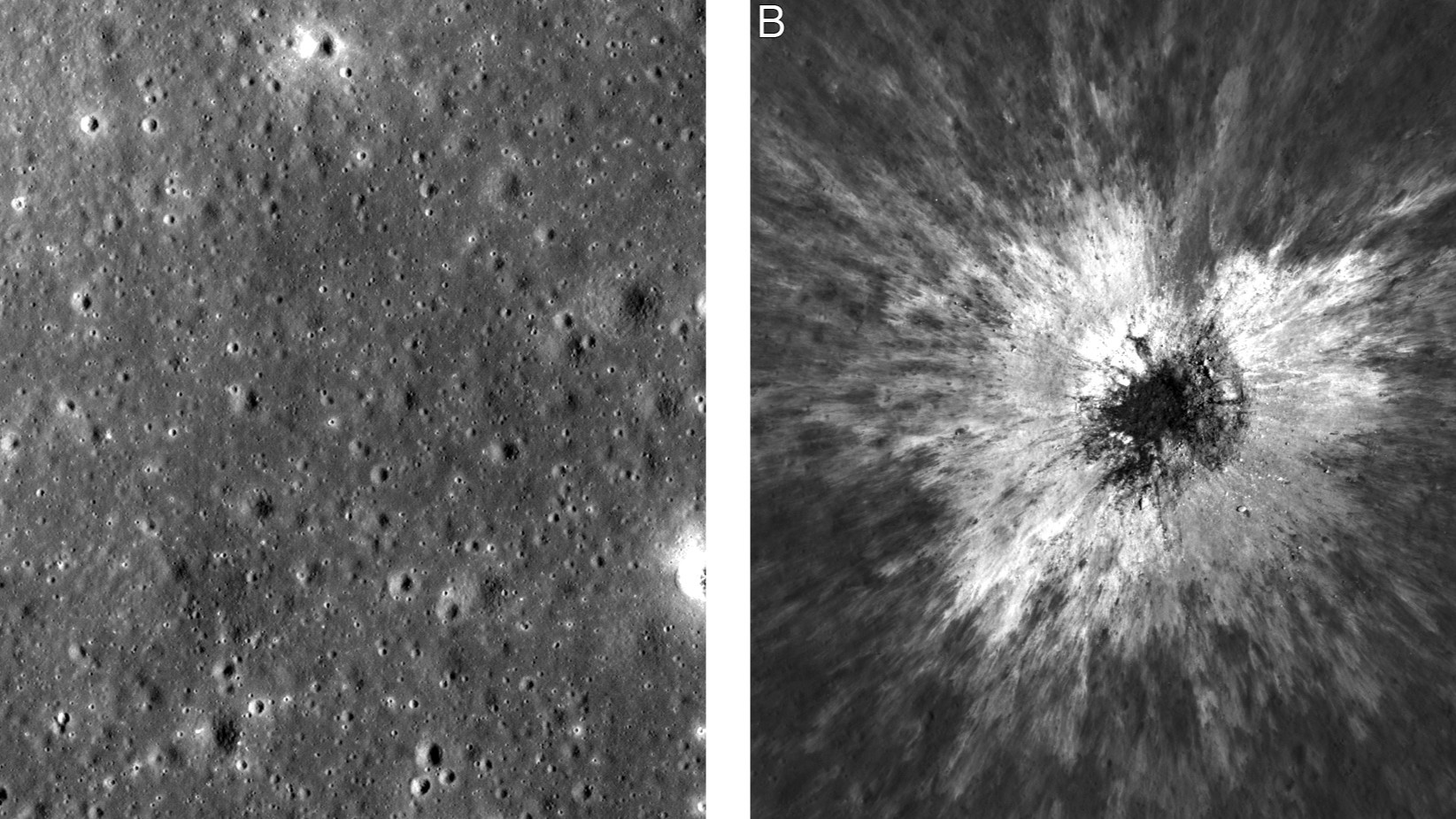
In a discovery that highlights the dynamic nature of our solar system, NASA has identified a massive new crater on the Moon. Measuring approximately 222 meters across, the crater—named McGetchin—is larger than the Roman Colosseum and was formed by an asteroid or comet fragment strike that occurred in 2024. While the impact initially went undetected, researchers comparing before-and-after imagery from NASA’s Moon orbiter data successfully pinpointed the site.

The newly discovered McGetchin crater, which spans 222 meters, has provided scientists with a new 'natural laboratory' for lunar research.

Why This Impact Matters

The McGetchin impact was an exceptionally powerful event. Models suggest that a collision of this magnitude occurs on the Moon only once every 132 years. Beyond the immediate destruction of the lunar surface, the event ejected debris more than 120 kilometers away from the impact site. This debris, along with high-speed streams of material, caused physical changes to the regolith across a vast region.

  • The impact created a 'cold spot' on the Moon, a bruised patch of ground that cools 15 degrees Fahrenheit below its surroundings every lunar night.
  • The strike aerated the lunar topsoil, affecting the Moon's ability to retain heat.
  • The energy released by the McGetchin impact is roughly ten times greater than the previous record-holder for a recently formed crater.

Implications for Future Exploration

This discovery is more than just a historical record of an asteroid strike; it is a critical opportunity for scientists planning future human exploration. Understanding how these impacts modify the physical properties of the lunar surface is essential for the success of future missions.

As NASA and other space agencies plan increasingly ambitious missions to the moon, understanding how impacts alter the physical properties of the regolith could help scientists better anticipate how future rovers, landers and other equipment will interact with the lunar surface.

— Space.com

Key Takeaways

  • NASA identified the 222-meter-wide McGetchin crater, formed in 2024.
  • The impact is categorized as a 'once-in-a-century' event, occurring roughly every 132 years.
  • The strike created a measurable 'cold spot' by aerating the lunar topsoil.
  • Debris from the impact was scattered over 120 kilometers from the crater.
  • The findings, published in Science Advances, will help inform the design of future lunar rovers and equipment.

FAQ

How big is the new McGetchin crater?

The McGetchin crater measures approximately 222 meters across, making it larger than the Roman Colosseum.

When did this impact happen?

The impact occurred in 2024, though it was discovered later through the analysis of NASA’s Moon orbiter data.

Why is the crater being called a 'cold spot'?

The impact aerated the top layer of lunar soil, preventing it from retaining heat, which causes the area to cool roughly 15 degrees Fahrenheit below the surrounding surface every lunar night.

How often do impacts of this size occur on the Moon?

Researchers estimate that an impact of this magnitude happens on the Moon only about once every 132 years.

Related Videos

NASA Finds Massive New Moon Crater After Rare Lunar Impact

WION

Sources