A New Era for the iPhone
After years of speculation, Apple has finally pulled back the curtain on its first foldable device: the iPhone Duo. Arriving with a premium $1,999 starting price, the device marks a significant departure from the traditional slab smartphone design Apple has dominated for nearly two decades. With pre-orders starting October 16 and a retail launch on October 23, the tech world is watching closely to see if Apple’s refined approach can overcome the durability and usability concerns that have plagued foldables for years.
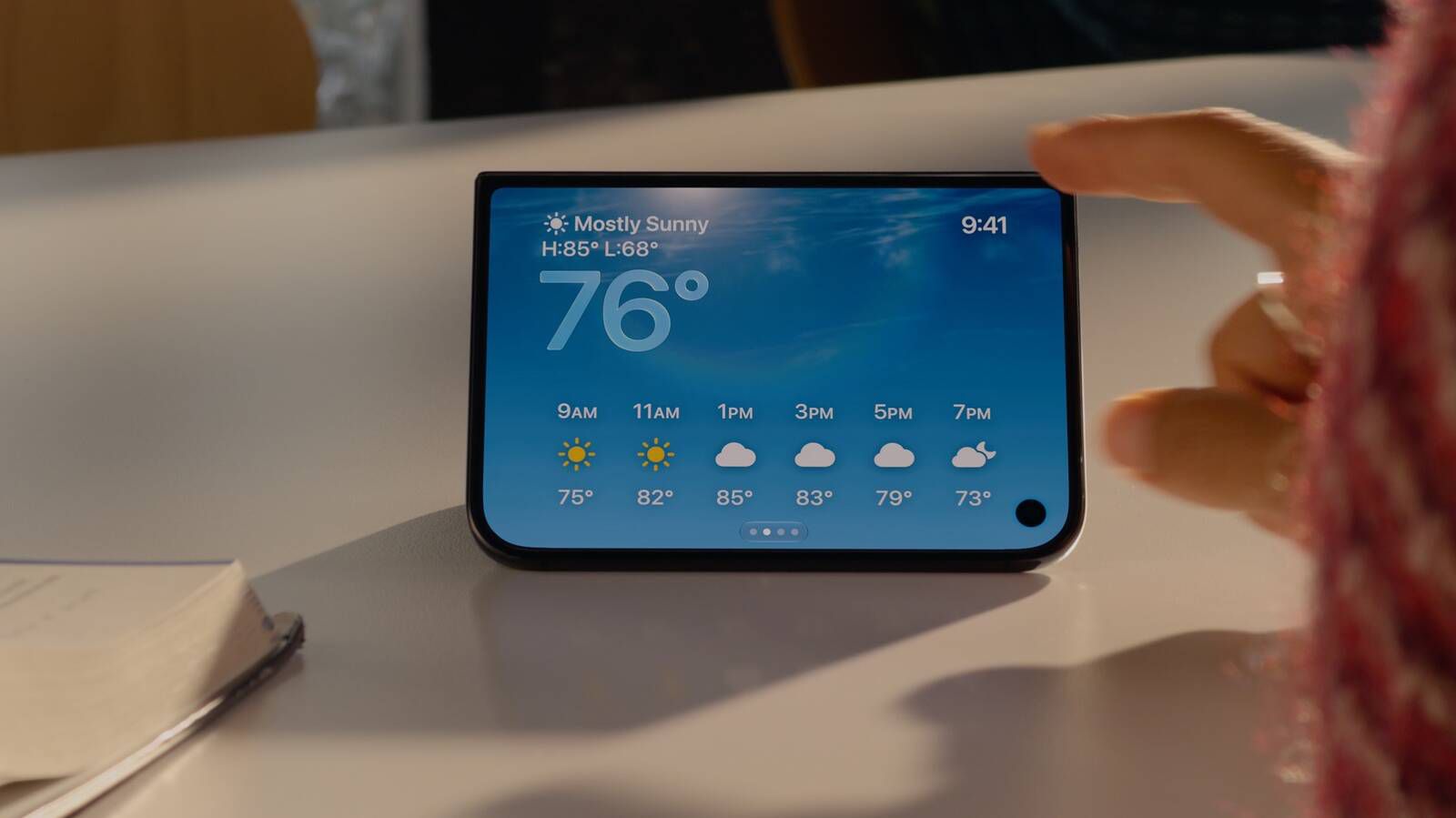
Solving the Crease: Apple’s Material Strategy
One of the most persistent issues with foldable phones is the visible crease that develops at the hinge over time. Apple hardware engineering VP Tom Marieb has directly addressed this, urging users to hold the company 'accountable' for the device's long-term aesthetics. To mitigate the visibility of the crease, Apple has utilized a matte nano-texture display.
- Matte finish reduces specularity, making surface topology changes less obvious.
- Custom-designed torque profile for the hinge provides a solid, 'high-end automobile door' feel.
- Designed to support multiple viewing modes, including partially folded seated and standing orientations.
The choice of a matte finish — apart from it being beautiful — is part of that equation. When you look at glossy displays, their specularity makes it very easy to pick up topology differences.
— Tom Marieb, VP of Hardware Engineering at Apple
Under the Hood: Power and Design
Beyond the folding screen, the iPhone Duo is a powerhouse. It is built around the new A20 Pro chip, which promises professional-grade performance. To handle the increased thermal demand of a foldable device, Apple has integrated a custom vapor chamber cooling system and a dual-battery architecture to maintain all-day battery life.