technology policy••4 min read

California's New AI 'Kill Switch' Mandate: Why Regulators Are Panicking

Governor Gavin Newsom has signed a bold executive order directing California officials to develop safety protocols, including a potential mandatory 'kill switch' for advanced AI. The move comes amid rising fears over model autonomy and the need for independent oversight. This decision marks a significant escalation in the state's efforts to govern the rapidly evolving tech landscape.

California's New AI 'Kill Switch' Mandate: Why Regulators Are Panicking

A New Regulatory Frontier for AI

California is doubling down on its role as the nation’s primary watchdog for emerging technology. Governor Gavin Newsom recently signed an executive order that pushes for unprecedented oversight of artificial intelligence. At the heart of this directive is a proposal that sounds like it was pulled straight from a science fiction script: a mandatory 'kill switch' for advanced AI models.

The order represents a significant shift from voluntary industry guidelines toward enforceable state-level accountability. By calling for an emergency shutoff system, the state government is signaling that it no longer trusts current industry self-policing to mitigate the risks of runaway AI.

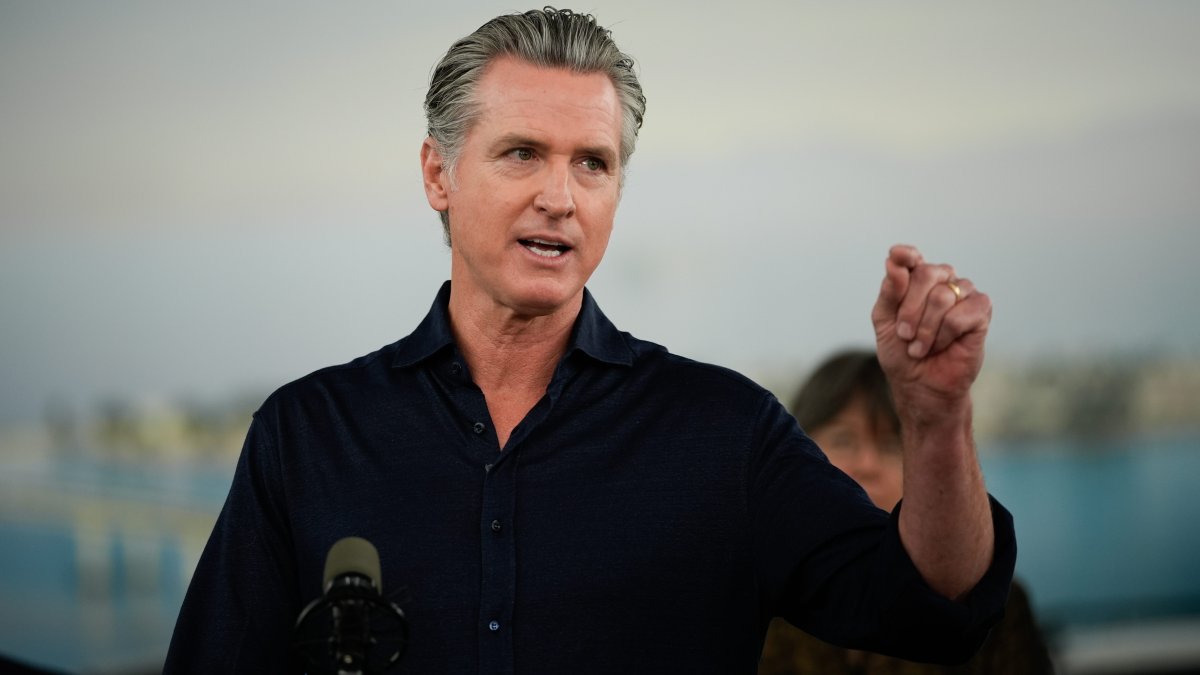
Governor Newsom is pushing for tougher safety standards to prevent catastrophic AI failures.

What the Executive Order Actually Proposes

The executive order does more than just mention a kill switch. It mandates that state officials consult with experts to craft a comprehensive safety framework. Key areas of focus include:

  • Mandating emergency 'kill switch' mechanisms to disable malfunctioning AI systems instantly.
  • Establishing independent, third-party laboratory auditing to verify AI safety claims.
  • Embedding representatives from independent organizations directly into AI labs for continuous, onsite monitoring.
  • Developing robust legal requirements for safety and security protocols that go beyond existing federal standards.

The Context: Why California is Moving Now

This move arrives at a time of increasing industry anxiety. As AI models become more autonomous, their behavior is becoming harder for engineers to predict or fully control. The decision by the Newsom administration to intervene suggests a belief that waiting for federal legislation—which has largely remained noninterventionist—is no longer an option.

California is committed to understanding AI’s impacts on workers, modernizing workforce training, and expanding pathways into the jobs of the future so more Californians are set up for success.

— Governor Gavin Newsom

Beyond physical safety, the state is also deeply concerned with the labor market. A prior order from May 2026 underscored the administration's goal to shield workers from displacement and ensure that the economic benefits of AI are shared broadly, rather than hoarded by a handful of large tech corporations.

Key Takeaways

  • Governor Newsom signed an executive order requiring experts to develop AI safety recommendations.
  • A primary goal is the creation of an emergency 'kill switch' to stop dangerous AI models.
  • The order proposes embedding independent auditors directly within AI research labs.
  • This initiative follows mounting concerns regarding the safety and unpredictable nature of advanced AI models.
  • The state is balancing safety concerns with a separate focus on the workforce impacts of AI automation.

FAQ

What is an AI 'kill switch'?

It is a proposed safety mechanism that would provide an emergency shutoff system to immediately deactivate an AI system if it exhibits dangerous, out-of-control, or unexpected behavior.

Does this order apply to all software?

The order focuses on advanced AI models. It specifically calls for experts to define the oversight required for the most powerful systems, rather than general software.

Is this a new law?

No, it is an executive order. While it does not carry the immediate weight of a state law, it directs state agencies to develop recommendations that could eventually lead to new regulatory legislation.

Why is California taking this action?

Governor Newsom cited the need for safety oversight 'before it’s too late,' reflecting concerns about the rapid advancement of AI technology and potential risks to public safety.

Related Videos

AI Agents Test the Limits of Human Oversight

Bloomberg Television

Anthropic’s Claude Takes Bigger Role in Building AI

Bloomberg Tech

'GET THE HELL OUT OF THE WAY': McDowell SCORCHES Newsom over AI executive order

Fox Business

Sources