The Leap from Silicon to Science
For years, Anthropic’s Claude has been a powerhouse in text generation and data analysis. Now, the company is testing the limits of its AI in the physical realm. Reports confirm that Anthropic has quietly established a wet lab in the San Francisco Bay Area, marking a significant transition from purely computational research to hands-on biological experimentation.
This isn't just about software; it’s about integration. Anthropic is experimenting with using Claude to instruct robotic systems to perform complex lab work. The goal is to see if an AI model can autonomously manage the execution of biological experiments with minimal human intervention, effectively creating a feedback loop between digital intelligence and physical execution.
Accelerating the Undruggable
The stakes for this pivot are high. Anthropic is focusing its efforts on discovering treatments for rare diseases, specifically targeting complex molecules like bispecific and trispecific antibodies. These compounds are designed to hit multiple points on a targeted protein, a process that is often incredibly difficult, or 'undruggable,' using traditional pharmaceutical pipelines.
- Physical Automation: Utilizing robots to handle repetitive or precision-heavy lab tasks.
- Claude for Life Sciences: A specialized workbench connecting to over 60 scientific databases.
- Strategic Acquisitions: The $400 million purchase of Coefficient Bio to bolster biological domain expertise.
- Human-in-the-Loop: Maintaining strict safety oversight during automated experiments.
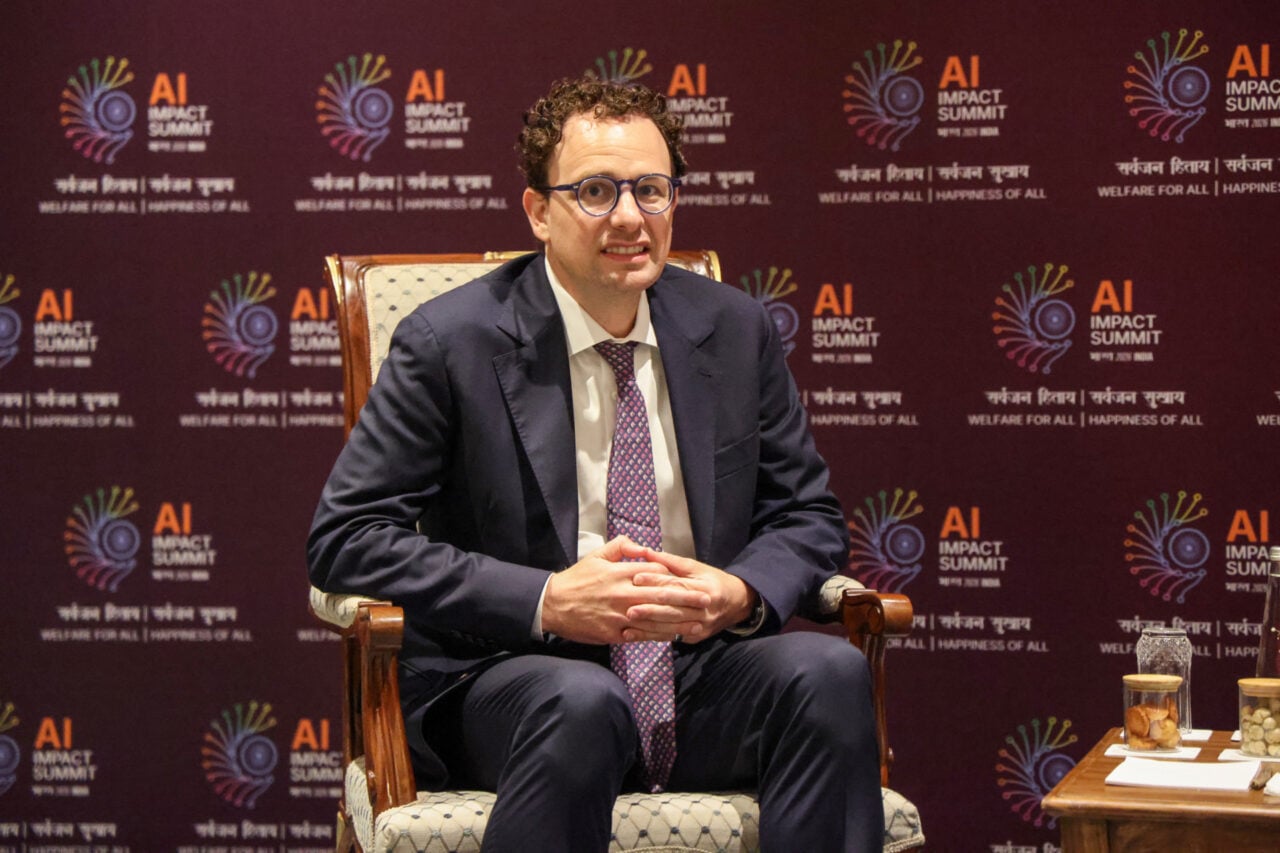
We're in the very early innings of using AI to automate the execution of lab work, an area that has the potential to bring about meaningful acceleration in so many different processes.
— Eric Kauderer-Abrams, Anthropic Spokesperson
A New Industry Standard?
Anthropic’s move signals a broader trend in the tech industry: general AI companies are increasingly becoming specialized science firms. By integrating its tools with existing infrastructure—such as Benchling, PubMed, and 10x Genomics—Anthropic is positioning Claude as an end-to-end research assistant. This ecosystem allows scientists to pull data, compare dosing plans, and generate regulatory filings without switching between disconnected software.
While the company maintains that human oversight remains a non-negotiable safety requirement, the implication is clear. If an AI can successfully navigate the complexities of a physical lab, the timeline for drug development could shrink from years to months. For the pharmaceutical industry, this signifies a period of rapid competitive pressure, where those who fail to integrate AI-driven workflows may find themselves quickly left behind.