A Rare Lunar Discovery
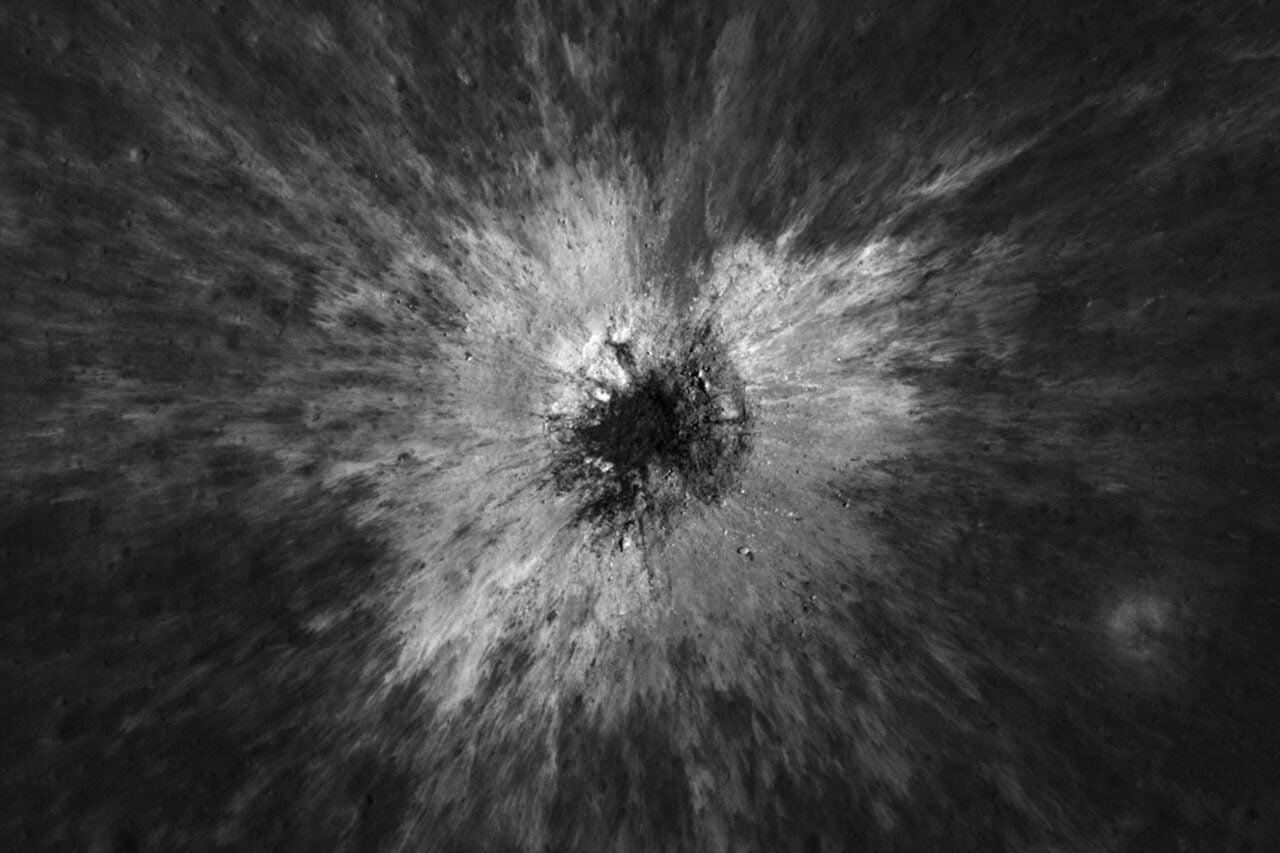
A significant impact event has reshaped a portion of the lunar surface. Data captured by NASA's Lunar Reconnaissance Orbiter (LRO) has unveiled a new, massive crater resulting from a collision with an asteroid or comet. Measuring 728 feet in width and 141 feet in depth, the feature is notably larger than the Roman Colosseum, marking it as a rare occurrence that experts estimate happens only once per century.
Understanding the 'Cold Spot' Phenomenon
Beyond its massive size, the crater has intrigued scientists due to the presence of a 'cold spot' that stretches over 4 miles. This thermal anomaly, linked to the 2024 impact, provides a unique data point for researchers studying how such massive collisions affect the lunar regolith. The LRO, which has been orbiting the Moon since 2009, continues to serve as a vital archive for tracking these surface changes.
- Crater dimensions: 728 feet wide and 141 feet deep.
- Origin: Likely caused by an asteroid or comet impact in 2024.
- Thermal impact: Created a 4-mile-long 'cold spot' on the lunar surface.
- Frequency: Impacts of this magnitude occur approximately once every 100 years.
The Bigger Picture: Constant Lunar Gardening
While a crater of this scale is a rare spectacle, the Moon is far from static. Recent findings from the LRO suggest that the Moon’s surface is constantly being 'gardened'—a process where the top layer of soil is overturned by micrometeorite weathering and larger impacts. Data indicates this regeneration happens every 80,000 years, a rate over one hundred times faster than previous scientific theories suggested.
This is a reminder that human exploration is less about a heroic single moment and more about a patient accumulation of reliable data, careful analysis, and prudent planning.
— NASA Research Context