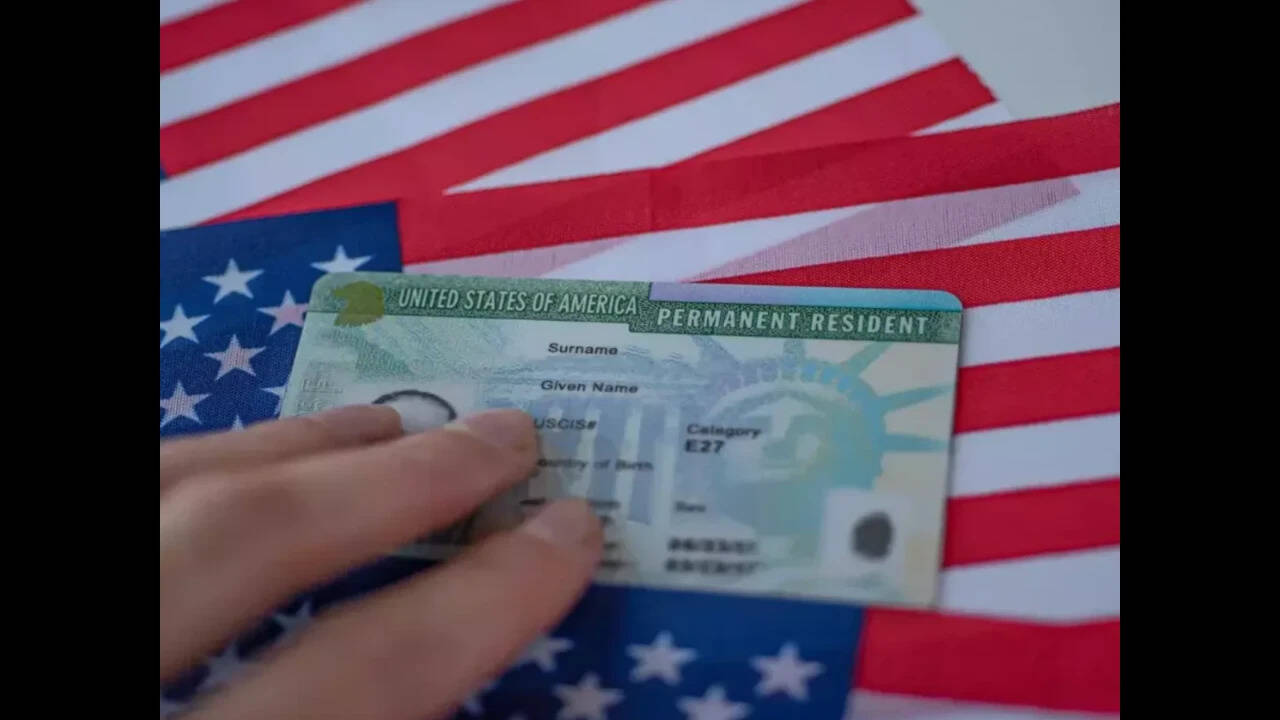
A Major Shift in Immigration Policy
Beginning September 18, 2026, the U.S. Citizenship and Immigration Services (USCIS) is set to enforce updated public charge regulations that significantly alter how the government evaluates Green Card applicants. This change follows the Department of Homeland Security's (DHS) decision to rescind the previous 2022 public charge framework, replacing it with a new, broader set of criteria.
For individuals currently in the process of applying for permanent residency via Form I-485, understanding these changes is critical. The shift moves the focus toward a more comprehensive financial and social assessment of an applicant's likelihood of relying on government assistance.

What Is the 'Public Charge' Rule?
At its core, the public charge rule is designed to determine whether an applicant for admission or adjustment of status is likely at any time to become primarily dependent on the government for subsistence. Under the new guidance, immigration officers will conduct an individualized assessment, moving away from rigid, one-size-fits-all tests.
- Age and health status
- Financial resources and assets
- Family status
- Education and professional skills
- Receipt of means-tested public benefits
How the September 18 Date Affects Your Application
The transition date is the most vital detail for current and future applicants. The new policy specifically applies to Form I-485 applications postmarked or electronically submitted on or after September 18, 2026. If your application was submitted before this date, it remains governed by the previous, narrower standard focusing primarily on cash assistance and institutionalization.
The new guidance applies only to Form I-485 Application to Register Permanent Residence or Adjust Status filed on or after September 18, 2026.
— USCIS Policy Guidance
Future Implications for Applicants
By expanding the range of means-tested public benefits that may be considered in a public charge determination, the new rule creates a higher threshold for applicants. While exemptions remain for specific immigration categories, those who may require government support for basic needs like food, shelter, or healthcare could face more rigorous scrutiny from immigration officers during the adjudication process.