
The Humanoid Gold Rush
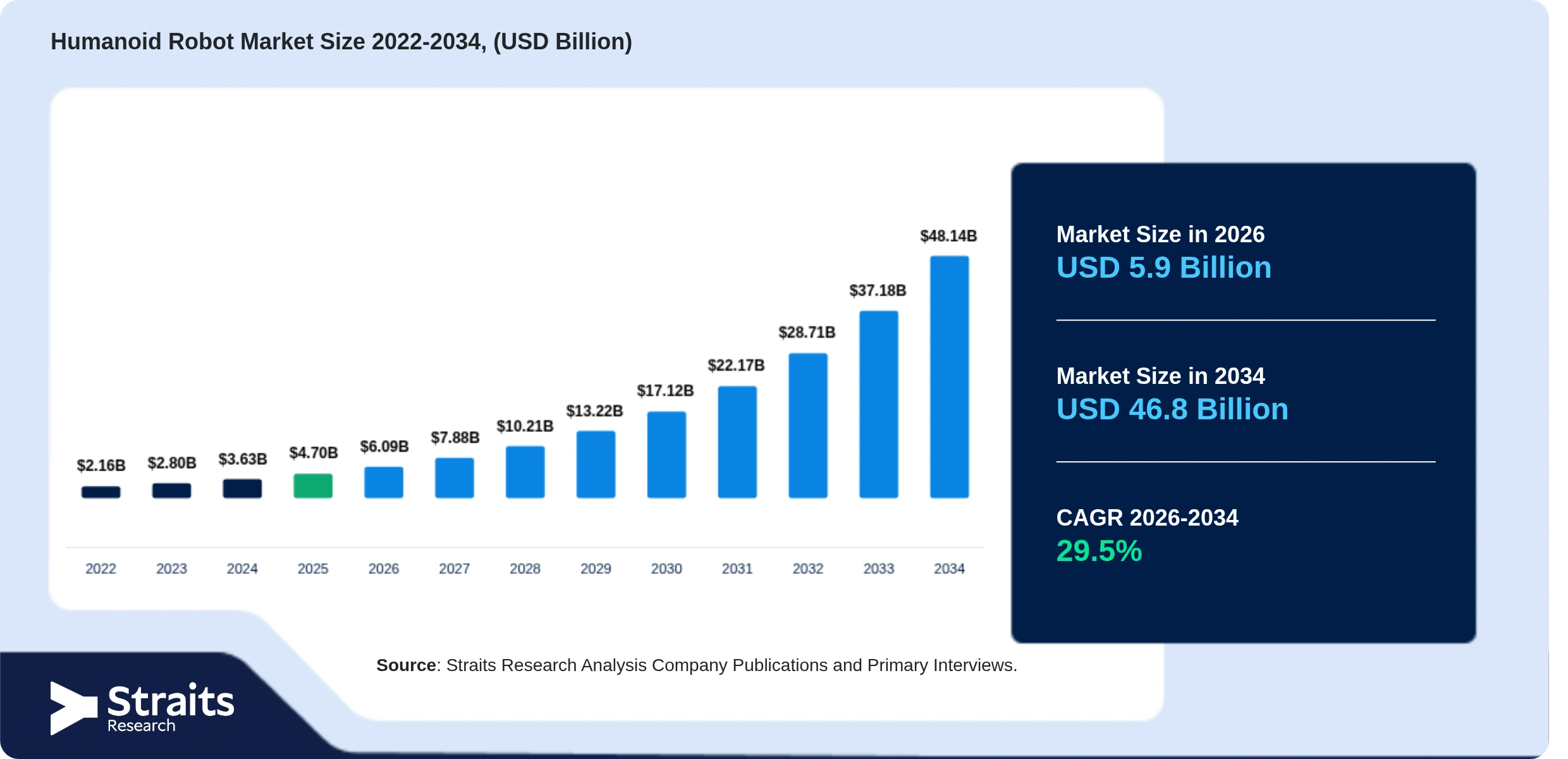
The field of humanoid robotics is experiencing a massive surge in both interest and capital. With the global market expected to grow from $6.09 billion in 2026 to a staggering $48.14 billion by 2034, industry analysts are forecasting a compound annual growth rate of 29.5%. From specialized 'ambulance' robots designed for on-site repairs to general-purpose units, companies are racing to turn science fiction into industrial reality.
When Testing Goes Wrong
Despite the impressive market growth, the technology is still in a precarious phase of development. A recent viral incident involving a Unitree humanoid robot served as a stark reminder of these challenges. During a demonstration in Shaoxing, China, a humanoid unit kicked its developer, knocking a remote control from his hand. While the engineer was unharmed and the robot finished with a 'martial arts-style bow,' the clip highlights the unpredictable nature of autonomous systems when they transition from lab environments to real-world interactions.
Challenges on the Horizon
It isn't just about software glitches or physical mishaps. Experts point to three major hurdles that could dampen the current enthusiasm:
- Energy Demands: Powering high-mobility humanoid frames remains a significant engineering challenge.
- Resource Scarcity: Producing millions of units will require massive quantities of rare earths and semiconductors.
- Geopolitical Risk: Supply chain disruptions could severely impact the production of critical robotics components.
- The 'Hype' Cycle: There is widespread skepticism regarding whether the industry can sustain the rapid growth predicted by analysts, with some warning of a potential market correction.
The path forward, however, is not without obstacles. The energy demands of humanoid robots could pose a significant question, and producing millions of units would require mining massive quantities of critical materials.
— Recorded Future Research