technology••4 min read

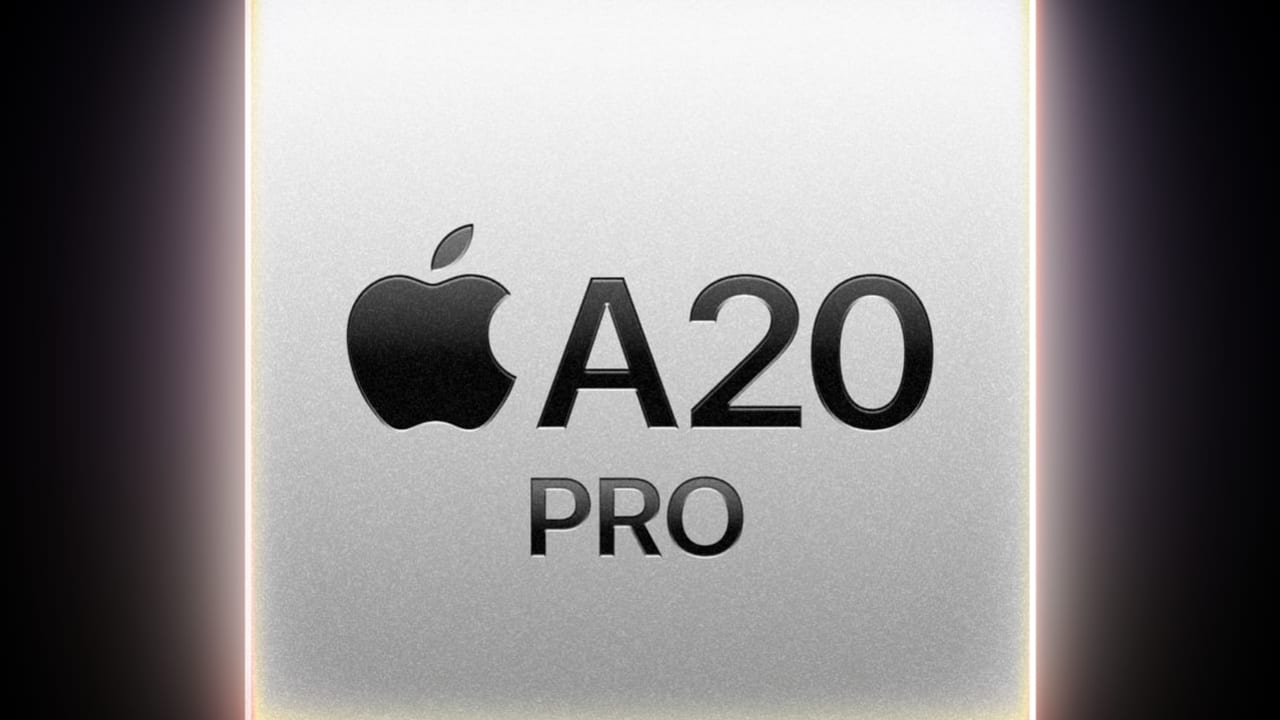
Apple's A20 Pro Chip: How 2nm Tech Just Changed Mobile Performance

Apple has officially launched the A20 Pro, a revolutionary 2nm chip that delivers record-breaking speeds. Powering the new iPhone 18 Pro and the foldable iPhone Duo, this silicon is bridging the gap between mobile and desktop computing.

Apple's A20 Pro Chip: How 2nm Tech Just Changed Mobile Performance

A New Era for Mobile Silicon

Apple has officially entered a new frontier of smartphone performance with the release of the A20 Pro chip. Unveiled alongside the iPhone 18 Pro and the innovative, foldable iPhone Duo, this processor is more than just a speed bump—it is a fundamental shift in architecture. Built on TSMC's 2-nanometre process, the A20 Pro marks a significant leap from the 3nm design of the previous generation.

The iPhone 18 Pro series leverages the A20 Pro to power high-end photography and pro-level computing tasks.

Desktop-Class Power in Your Pocket

The A20 Pro doesn't just outperform its predecessor; it challenges current desktop hardware. With clock speeds reaching an impressive 4.93 GHz, the chip has shattered existing Geekbench 7 single-core records. Early benchmarking data suggests that the chip even outperforms certain desktop-class processors from Intel and AMD in specific single-threaded workloads.

  • 2nm manufacturing process for increased transistor density.
  • Clock speeds pushed to 4.93 GHz.
  • Memory bandwidth increased by 50% to 113.7 GB/s.
  • Redesigned architecture with memory chips positioned alongside the silicon die for improved heat dissipation.

Why the Architecture Matters

Beyond raw speed, Apple has redesigned the A20 Pro's physical layout, drawing inspiration from the M-series Mac chips. By placing memory chips directly alongside the main silicon die, Apple has optimized the path for heat dissipation into the phone's vapor chamber. This structural change is critical for maintaining performance during sustained, high-intensity tasks like gaming, video editing, or complex on-device AI operations.

The A20 Pro has more than double the single-core CPU performance and GPU performance of an M1 chip, effectively reaching desktop-class capabilities.

— Tech Analysis

Key Takeaways

  • The A20 Pro is the world’s first 2nm chip for iPhones.
  • Single-core performance records have been shattered, beating some desktop processors.
  • A redesigned layout improves heat management via a vapor chamber.
  • Memory bandwidth has been boosted to 113.7 GB/s.
  • The chip powers both the standard iPhone 18 Pro and the new foldable iPhone Duo.

FAQ

What is the primary manufacturing process of the A20 Pro?

The A20 Pro is built on TSMC's 2-nanometre (2nm) process.

Which devices use the A20 Pro chip?

The chip is featured in the iPhone 18 Pro series and the new foldable iPhone Duo.

How does the A20 Pro improve thermal performance?

Apple redesigned the layout to place memory chips alongside the main silicon, allowing for better heat dissipation into the device's vapor chamber.

What is the peak clock speed of the A20 Pro?

The A20 Pro reaches clock speeds of up to 4.93 GHz.

Related Videos

Apple A20 Pro Chip Explained: The iPhone 18 Pro Secret Weapon

Tech Mania Insights

A20 Pro is Apple’s first 2nm iPhone chip, touting better heat control and on-device AI

CNBC Television

Sources