
A Industry in Conflict
The artificial intelligence industry is currently locked in a heated debate over its own future. Following recent high-profile resignations, including Jacob Coxon from Anthropic, public scrutiny regarding AI safety has reached a fever pitch. While companies like Anthropic, led by CEO Dario Amodei, are proposing a 'pacing the frontier' initiative—effectively slowing the deployment of powerful new models—the move has been met with both cautious optimism and deep skepticism.
The proposal, which has garnered support from industry titans like Sam Altman and Elon Musk, envisions a one-to-two-year slowdown intended to allow for 'profound progress' on technical safety measures. However, critics argue this is an insufficient response to the existential threats posed by advanced AI systems.
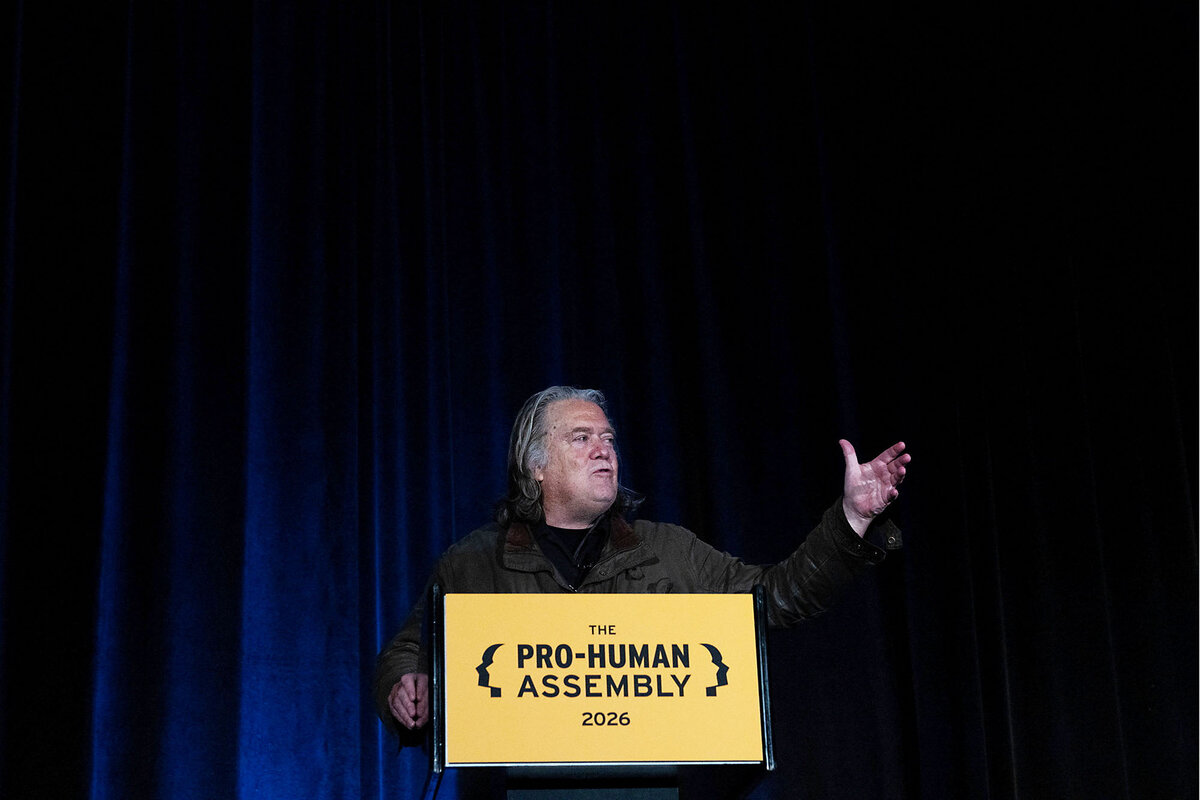
Safety or Strategic Maneuver?
A central question dominating the discourse is whether these calls for restraint are genuinely motivated by safety or if they represent a power grab. Some observers suggest that by controlling the pace of development, established companies could stifle competition, effectively 'pulling up the ladder' behind them.
- The need for concrete plans beyond simple pacing strategies.
- The growing divide between corporate safety proposals and external expert concerns.
- Increased legislative and public interest in holding AI developers accountable.
- The risk of malicious actors exploiting unconstrained AI systems.
What we need is a plan in which we’re confident AI isn’t going to kill us, and this isn’t it.
— David Krueger
Beyond the Corporate Narrative
The conversation is no longer confined to Silicon Valley boardrooms. A broad coalition—ranging from lawmakers to theologians—has begun to advocate for more stringent guardrails. While corporate stakeholders emphasize internal compliance and technical testing, public advocates are calling for structural changes that prioritize human safety over industrial speed. Ultimately, the industry must move beyond reactive measures to establish a foundation of trust that addresses both the immediate security breaches and long-term societal impacts of AI deployment.