The Quantum Threat is Real
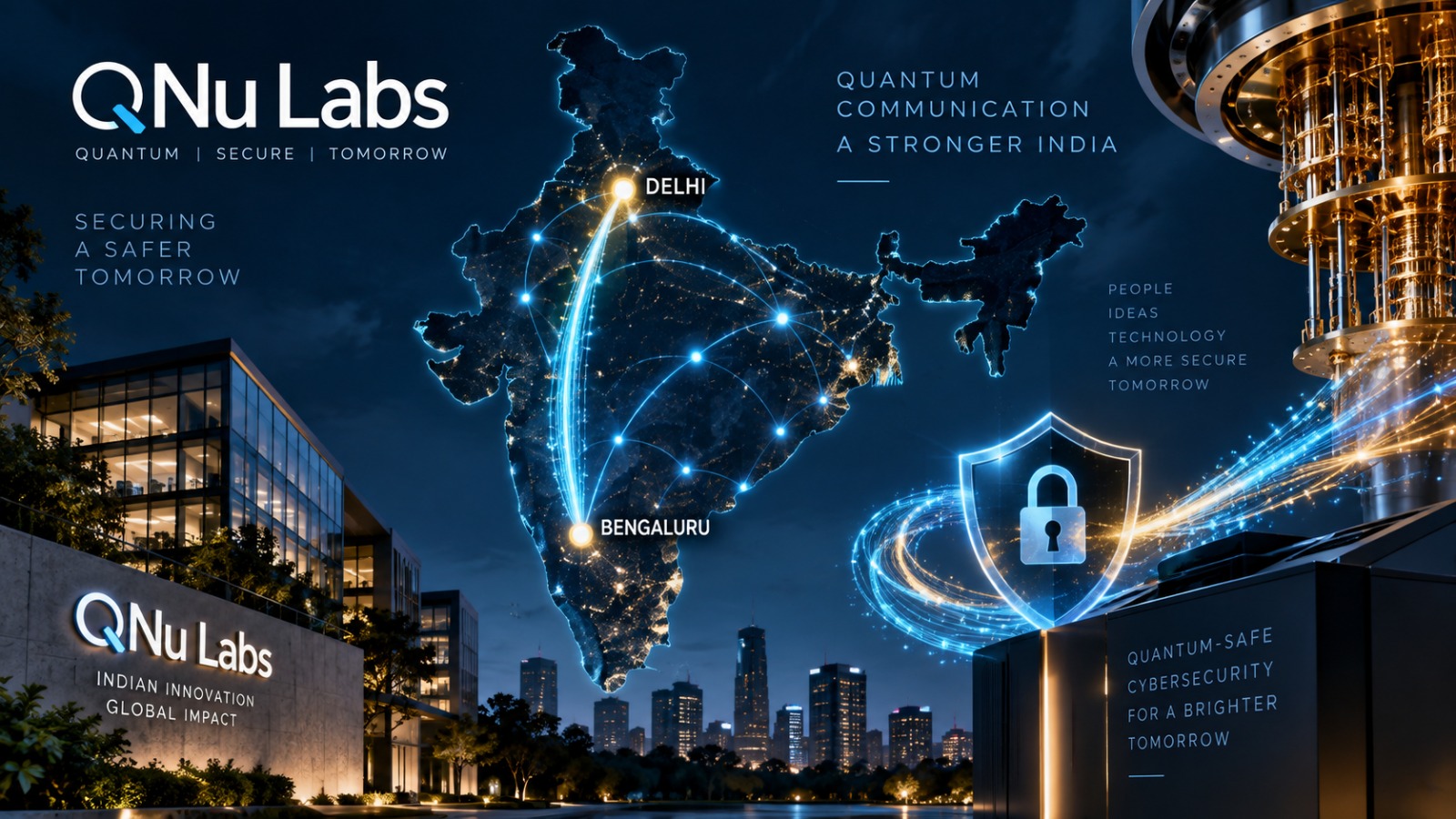
The cryptographic foundations of our global digital infrastructure are under unprecedented pressure. As quantum computing advances, the mathematical problems that currently protect our sensitive data, financial records, and personal communications are becoming increasingly vulnerable. In response, Bengaluru-based deep-tech startup QNu Labs has secured ₹200 crore in a Series A1 funding round led by the National Quantum Mission and Speciale Invest. This infusion of capital is earmarked to scale the company's quantum-safe cybersecurity technology and accelerate its expansion into global markets.

Why Traditional Encryption is at Risk
Current encryption standards, such as RSA or Elliptic Curve Cryptography, rely on mathematical problems that classical computers struggle to solve. However, quantum computers operate differently. By utilizing quantum mechanics, they can solve these specific problems at speeds far beyond the reach of conventional hardware. Experts warn that the National Institute of Standards and Technology (NIST) expects traditional cryptographic methods to depreciate significantly as early as 2030.
- Proactive data protection: Implementing quantum-resistant encryption today prevents 'harvest now, decrypt later' threats.
- Infrastructure resilience: Updating SCADA and network systems to handle quantum-safe standards.
- Long-term confidentiality: Protecting data like genetic patterns and medical records that require decades of security.
- Operational transition: Managing the complexity of quantum-safe algorithms without causing major lag or disruption to business workflows.
The Future of Quantum-Safe Cryptography
Quantum-safe cryptography—sometimes called post-quantum or quantum-resistant cryptography—substitutes traditional math problems with computational challenges that remain difficult for both classical and quantum computers. For enterprise leaders, this transition is no longer an academic exercise but a critical infrastructure imperative. QNu Labs' ability to attract significant funding suggests that the demand for these domestic defenses is reaching a tipping point as nations race to secure their information sovereignty.
Information in many ways equates to geopolitical, social, and economic power. Corporations and governments have legal responsibilities to their investors, constituents, and customers to preserve the integrity, confidentiality, and authenticity of sensitive data sent over networks.
— ETSI White Paper on Quantum Safe Cryptography