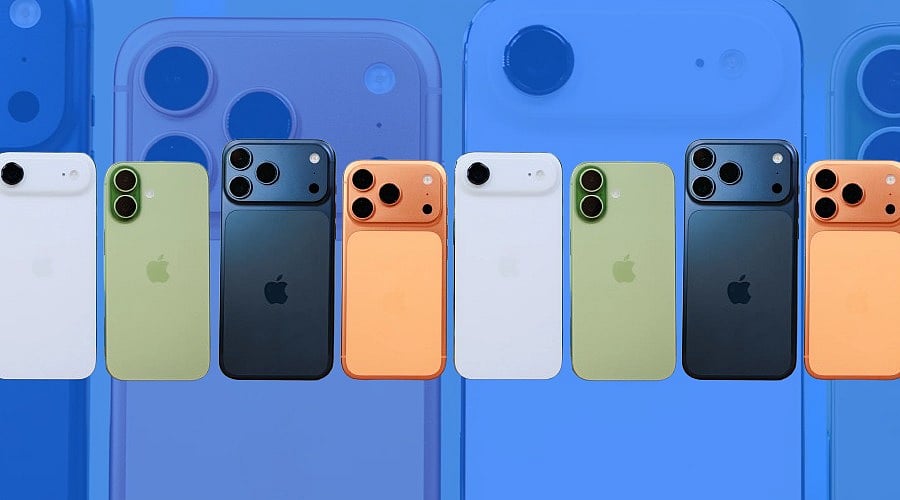
A Landmark Year for Apple
Since the debut of the original iPhone in 2007, Apple has maintained a rhythm of incremental updates and major generational leaps. As we approach the device's 20th anniversary in June 2027, industry analysts and enthusiasts are beginning to look beyond current hardware, focusing on what many believe will be a fundamental shift in design language and technical capability.
While Apple typically reserves its high-end flagship launches for the fall, the 20th-anniversary milestone is expected to serve as a template for future hardware, much like the iPhone X did for the following decade of smartphones.
What the Rumors Tell Us
Recent reports have centered on several ambitious hardware goals, with the 2027 model frequently cited as the point of convergence for these technologies. Key expectations include:
- A second-generation 2-nanometer A21 chip, likely to be shared with new foldable models.
- An all-glass design that seeks to eliminate traditional display cutouts.
- Refined camera systems that aim to move components under the display glass.
- A transition toward more distinct form factors, potentially launching alongside an updated iPhone Air.
The Challenge of Innovation
While the prospect of an all-screen device without notches is compelling, experts remain cautious regarding the timeline for certain features. Analysts like Ross Young have noted that while under-display Face ID components are evolving, an entirely seamless, screen-only front may face manufacturing hurdles before 2030. Nevertheless, the 2027 cycle represents a crucial testing ground for Apple's long-term vision.
The anniversary model is likely to define the device's design direction for some time, much as the iPhone X set the template for the years that followed.
— Market Analyst Reports