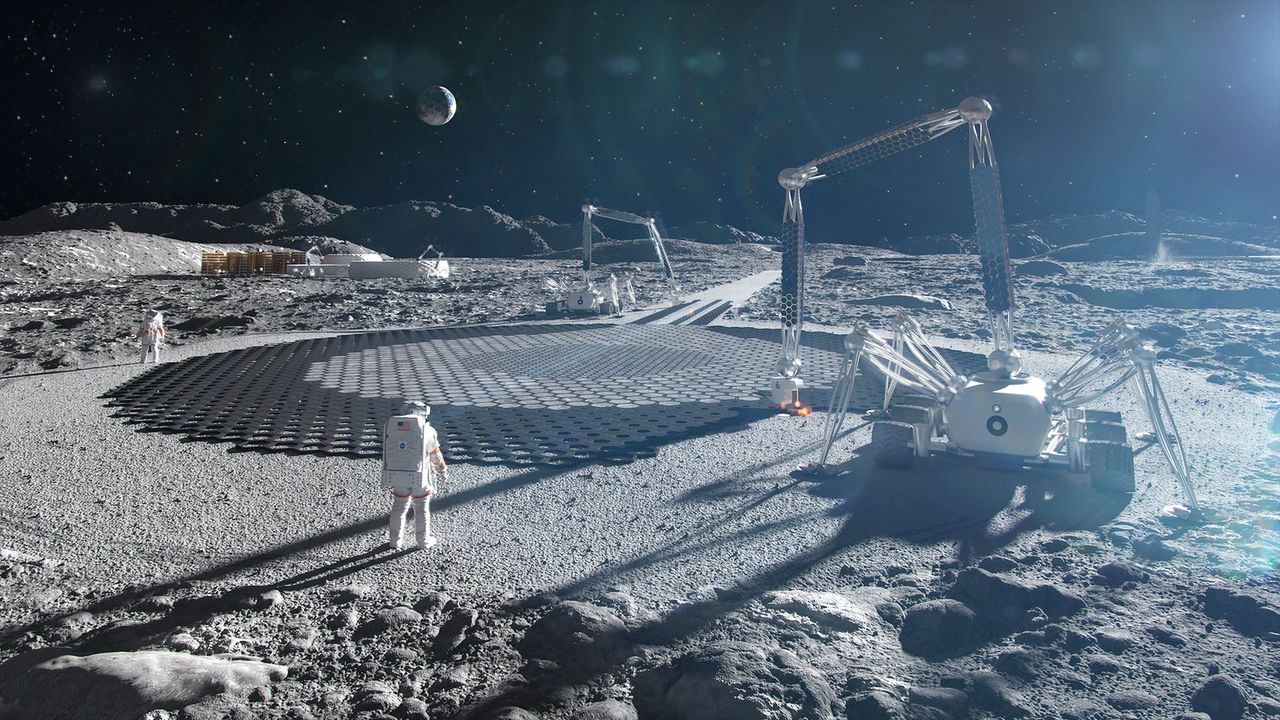
The End of the Lunar City Dream?
For years, the prospect of building thriving cities on the Moon has moved from the realm of science fiction to a serious objective for space agencies and private companies. Driven by the discovery of water ice in permanently shadowed polar craters, the 'moon rush' promised a future of research outposts, heavy industry, and eventually, permanent settlements. However, a recent wave of expert analysis is pouring cold water on these ambitions—quite literally.
The Resource Bottleneck
While the Moon is not entirely 'dry'—with water locked in lunar minerals and ice deposits at the poles—scientists argue that the total volume of accessible water is insufficient to support large-scale human civilization. Extracting water is essential for creating oxygen, fuel, and providing a life-support foundation, but the logistics of harvesting this at a city-wide scale are daunting.
- Current water reserves are localized in difficult-to-reach, permanently shadowed polar craters.
- The energy cost of extraction and refinement is significantly higher than terrestrial operations.
- Projections suggest that in even the most optimistic resource scenarios, a lunar colony would struggle to sustain its population long-term.
- The lack of a self-sustaining water cycle makes the Moon fundamentally different from Earth regarding industrial growth.
Beyond the Hype
The shift in perspective does not mean the end of lunar exploration, but it does signal a pivot from 'colonization' to 'outpost management.' NASA's Artemis program and other international missions are still moving forward, but the focus is shifting toward sustainable, smaller-scale missions rather than the rapid development of massive, self-growing metropolises often proposed in corporate roadmaps.
There's been so much talk and enthusiasm about a future in which the Moon is a part of our civilization, but we must reconcile this ambition with the actual geological constraints of our satellite.
— Scientific consensus via recent research analysis