A System in Transition
The Supplemental Nutrition Assistance Program (SNAP), historically the bedrock of federal food security, is undergoing a profound transformation. In the wake of recent legislative changes and updated program requirements, more than 5 million people have been removed from the assistance rolls. For urban areas, these shifts present significant hurdles, but for rural Americans, the consequences are proving to be uniquely severe.
The recent policy landscape, characterized by complex cost-sharing models and stricter eligibility criteria, is forcing states to choose between absorbing substantial new financial burdens or cutting access for vulnerable residents. Experts argue this represents a dramatic departure from SNAP’s foundational role as a flexible, federally funded safety net designed to scale with economic need.
Why Rural Communities Face Heightened Risks
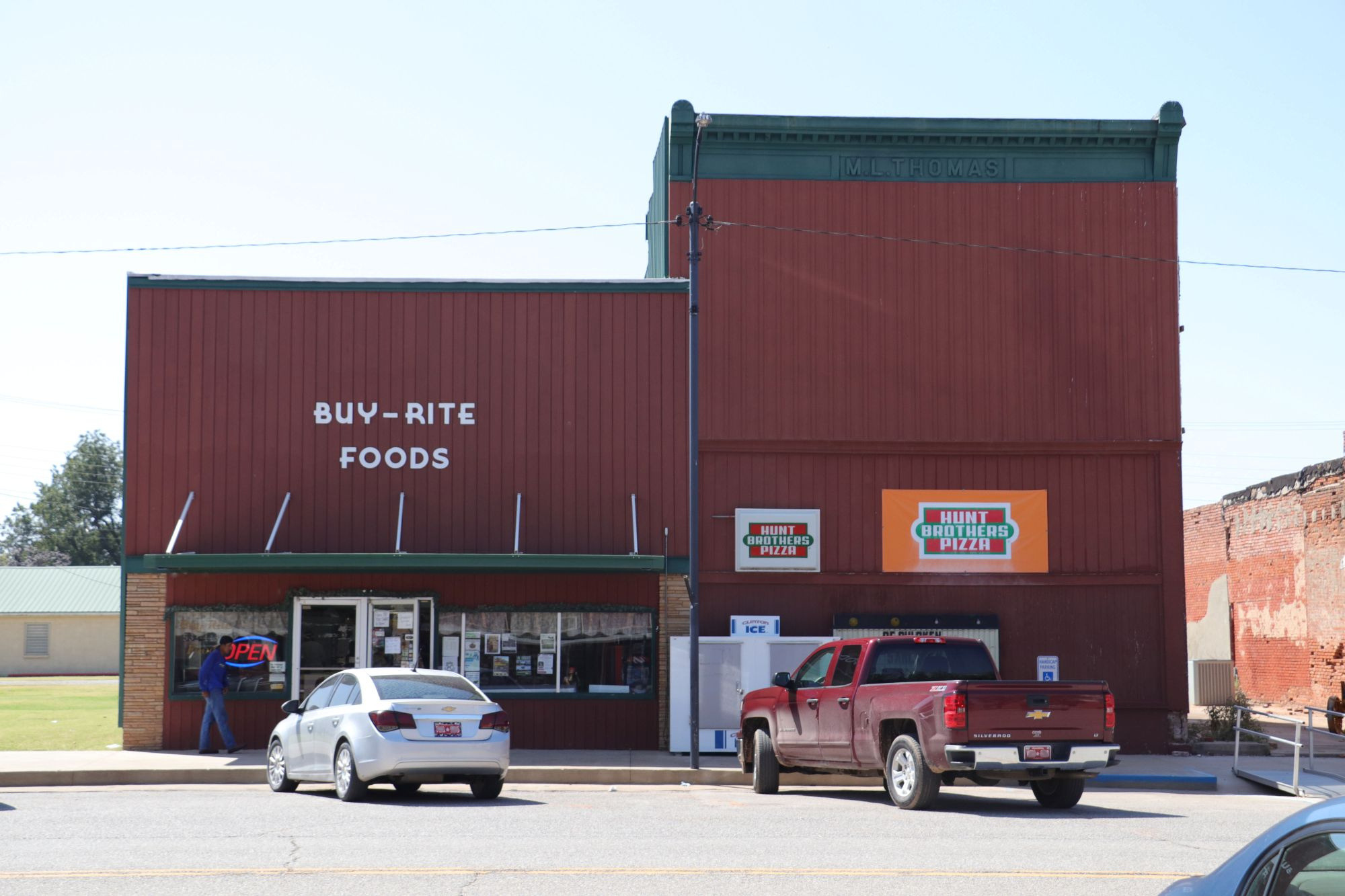
Rural America exists at the intersection of high need and low access. Analysis from the Food Research & Action Center (FRAC) highlights that rural counties make up 77 percent of areas identified as having both high SNAP participation and limited access to authorized retailers. When federal policies restrict SNAP eligibility, these communities lose more than just personal food security—they lose a vital economic engine.
- Retail Deserts: Many rural participants rely on a limited number of local stores, making any reduction in purchasing power felt more acutely.
- Economic Multiplier Effect: SNAP dollars are proven economic drivers, often returning $1.50 to the local economy for every $1.00 in benefits provided.
- Infrastructure Challenges: Unlike urban centers, rural households often lack reliable public transportation or high-speed internet to navigate complex, digitized recertification processes.
- State-Level Pressure: New cost-sharing models place significant financial strain on under-resourced rural states.
The Future of Food Aid
The current trajectory of SNAP policy suggests a shift toward more localized administration and increased scrutiny of eligibility. While advocates for these changes often cite 'program integrity,' policy researchers like Michele Ver Ploeg note that these administrative shifts may have significant long-term effects on poverty rates and overall public health. As the dust settles on these federal changes, the question remains whether the current infrastructure can adequately protect the most isolated populations without the traditional, robust federal backing.
These changes represent a dramatic shift in SNAP’s financing structure. By forcing states to absorb millions in new costs or cut eligibility, it undermines SNAP’s role as a federally funded support designed to respond to need.
— Food Research & Action Center (FRAC)