
A Window Into Global Terror Ambitions
On the 25th anniversary of the September 11 attacks, the Central Intelligence Agency (CIA) released 71 previously secret presidential intelligence briefs. These documents, which span the period from 1998 to 2001, highlight the extensive intelligence gathered by the US government regarding Osama bin Laden and al-Qaeda’s operations.
While much of the focus historically remains on the 9/11 attacks in the United States, the declassified files reveal a much broader scope of terror. The documents confirm that bin Laden’s network was actively scouting international targets, with intelligence reports specifically identifying India as a potential target for terrorist strikes years before the tragic events of 2001.
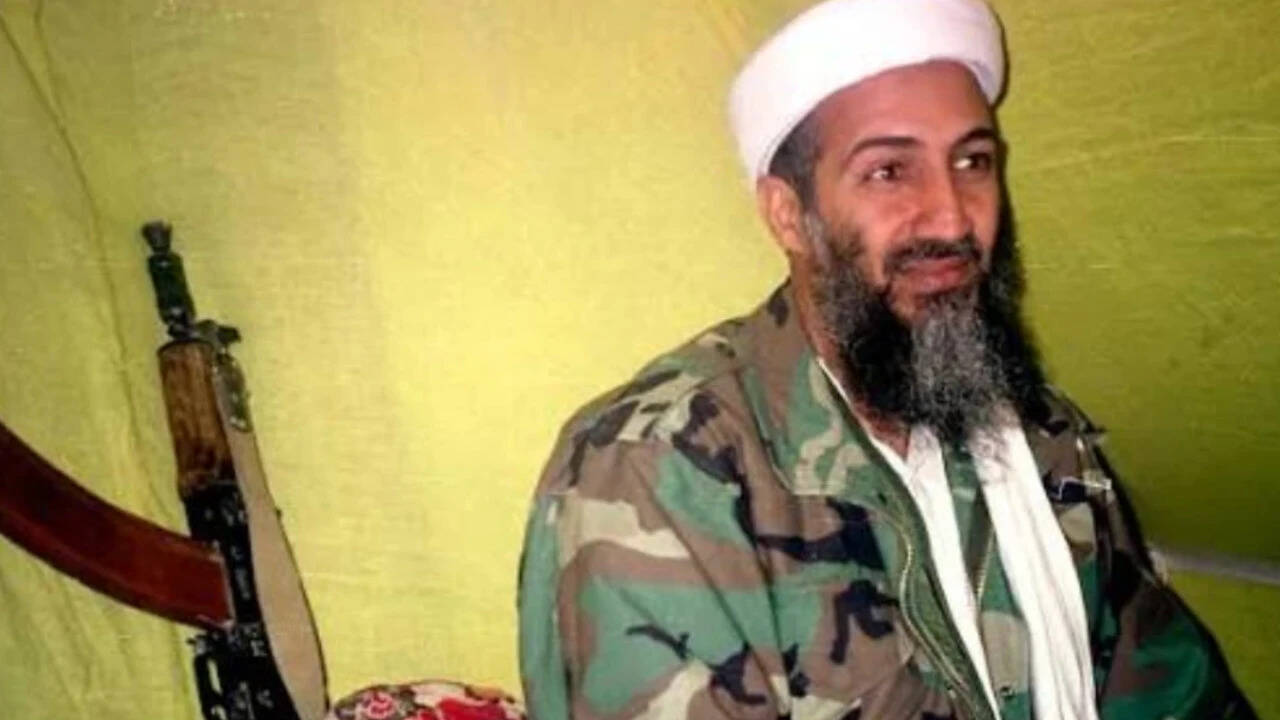
Warnings to Washington
The released records demonstrate that the US intelligence community was aware of the escalating threat from bin Laden long before the hijackings. The briefs provide a detailed timeline of how security analysts tracked the al-Qaeda leader's movements, financial networks, and potential acquisition of illicit substances.
- Intelligence reports indicate bin Laden's interest in procuring chemical, biological, and nuclear substances.
- Briefs warned that bin Laden was leveraging legitimate business relationships to finance his terror network.
- Documentation reveals specific warnings regarding the threat of using aircraft as weapons, including an explosive-laden plane.
- The records confirm that intelligence agencies were monitoring bin Laden's global reach, specifically targeting the US and other nations including India.
Impact and Historical Context
The declassification of these documents offers historians and national security analysts a clearer view of the challenges faced by intelligence officials during the Clinton and Bush administrations. By documenting the shift in al-Qaeda’s focus, these files illustrate the complex, evolving nature of global counterterrorism in the late 1990s.
The documents illustrate security analysts' tracking of bin Laden's movements and support system, as well as concerns about possible threats to U.S. targets. They also detail officials' understanding of his network in the United States and other countries.
— Arkansas Democrat-Gazette