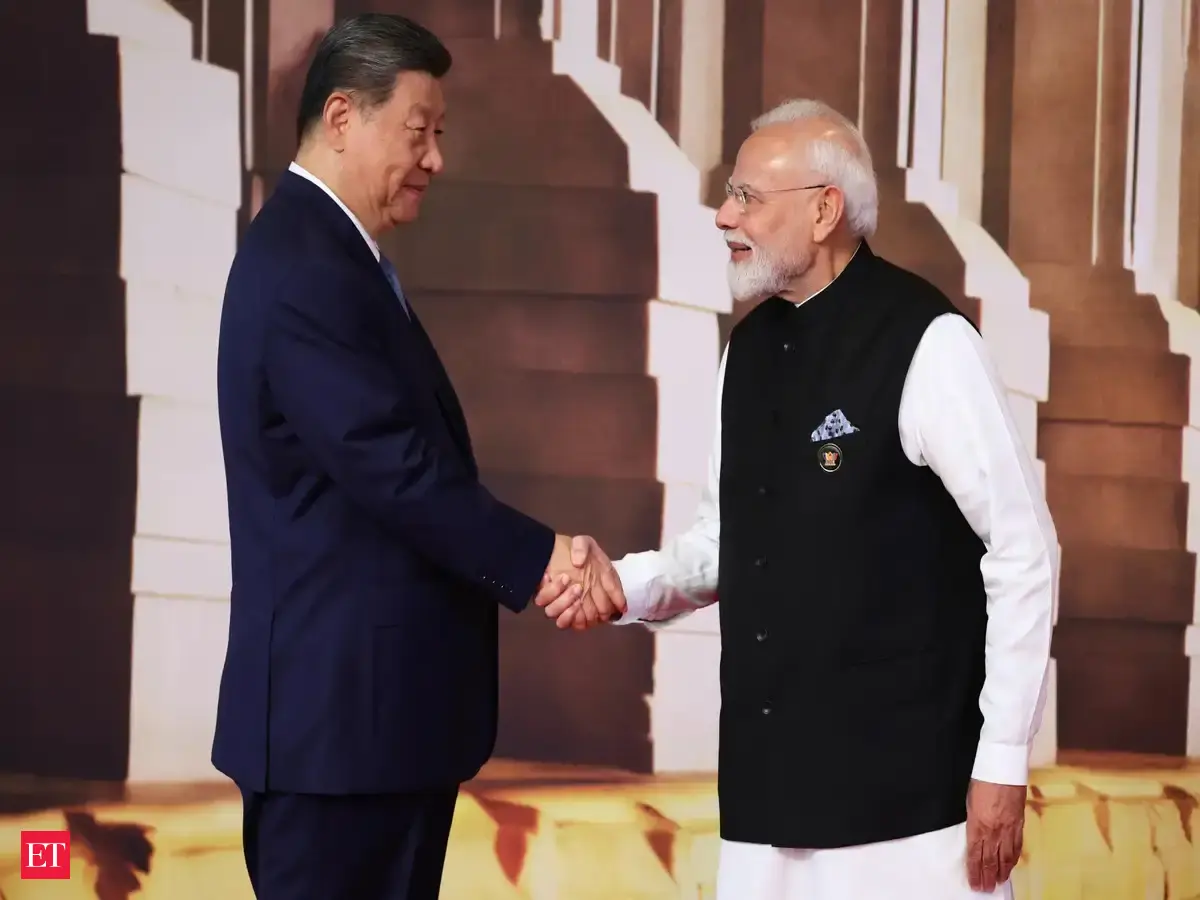
A High-Stakes Meeting in New Delhi
The 2026 BRICS Summit in New Delhi served as the backdrop for a highly anticipated bilateral meeting between Indian Prime Minister Narendra Modi and Chinese President Xi Jinping. Amidst long-standing border disputes that have complicated relations for years, the encounter represents a delicate attempt to manage tensions and explore a path toward stable coexistence.
The two leaders focused on addressing the rift that has persisted since a deadly border clash occurred six years ago. While the meeting underscored a desire for dialogue, both nations have presented contrasting public readouts regarding the necessity of linking border peace directly to broader bilateral cooperation.
Trade, Stability, and the Border Question
Beyond the sensitive border discussions, the summit provided a platform to address tangible economic concerns. The agenda included:
- Expanding people-to-people exchanges to foster better cultural and social ties.
- Improving trade access and market conditions for both nations.
- Navigating supply chain issues, particularly regarding rare earth minerals and heavy machinery.
- Exploring clean energy cooperation.
For India, the goal remains a cautious thaw. Observers note that while full diplomatic normalization may be a distant prospect, the meeting signals a shift toward pragmatic management of differences to ensure peace dividends, such as increased investment and reduced export controls, are not sidelined by ongoing friction.
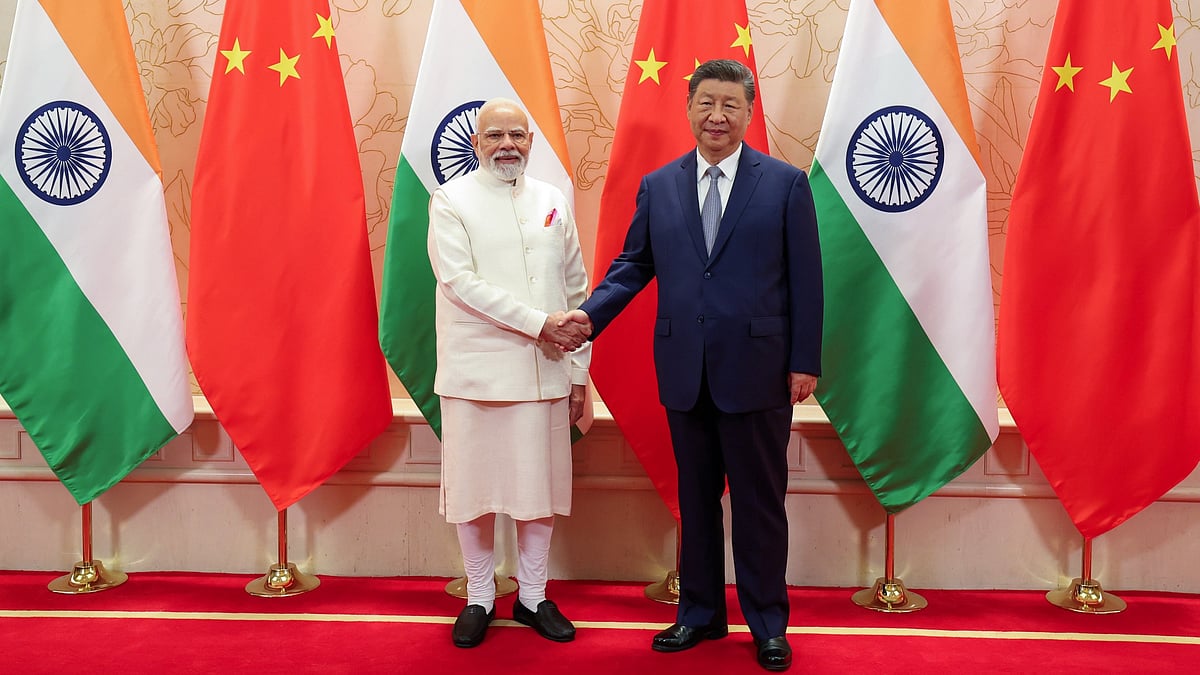
A Complex Geopolitical Landscape
The summit also saw the attendance of other major global figures, including Russian President Vladimir Putin and Iranian President Masoud Pezeshkian. The gathering of these leaders in New Delhi highlights India's evolving role as a balanced diplomatic power capable of hosting rivals and allies alike under one roof.
If peace and tranquillity are maintained along the LAC, then you move forward knowing that peace pays richer dividends than conflict.
— Geopolitical Analyst