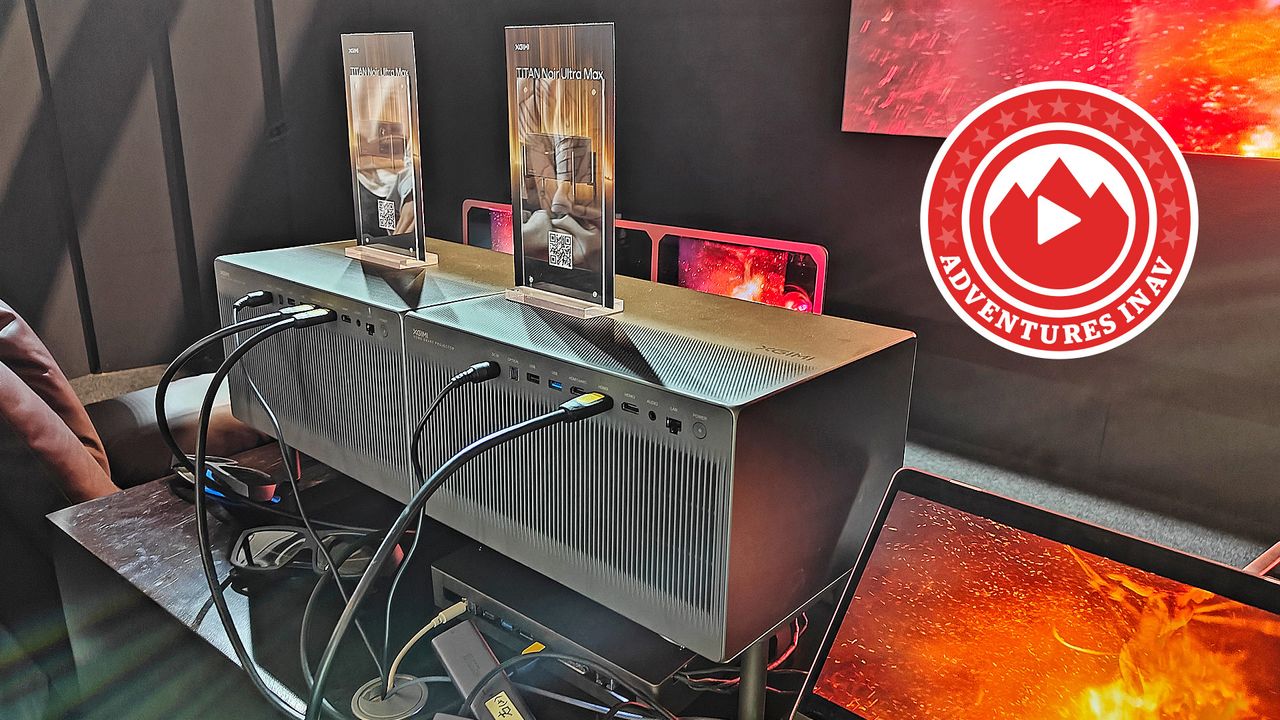
A Surprising Shift in Projection Tech
For years, 3D was treated as a passing fad in the consumer electronics space. However, recent developments in projector prototypes are proving that the format is far from extinct. For home theater enthusiasts and industry professionals alike, the latest wave of 3D-capable projectors is pushing boundaries in ways that flat-panel TVs simply cannot.
The Market Drivers Behind the Resurgence
The 3D projector market is currently experiencing a growth trend with a projected CAGR of 7.08% through 2028. This growth isn't just driven by nostalgic movie buffs; it is being propelled by practical applications across several sectors.
- Education and Training: 3D projection is being leveraged to create interactive, immersive learning experiences for complex fields like engineering and architecture.
- Gaming: The surge in high-refresh-rate 3D gaming has created a specific demand for projectors capable of handling rapid, depth-rich visuals.
- Corporate and Large Venue: Brighter units (4,000-9,999 lumens) are becoming essential for conferences where detailed, large-scale visualization is required.
- Technological Integration: Advances in laser light sources and improved lamp efficiency are reducing maintenance costs while boosting image longevity.
Under the Hood: DLP and LCoS Tech
The success of modern 3D projection relies heavily on two primary micro-display technologies: DLP (Digital Light Processing) and LCoS (Liquid Crystal on Silicon). DLP currently leads the pack, holding over 47.3% of the market share thanks to its ability to project sharp, high-quality images using tiny, rapid-fire mirrors.
Techniques like active shutter glasses remain the industry standard for consumer models. These systems rely on 'black frame insertion'—a process where the projector flashes images for each eye in rapid succession, synchronized with the glasses to create a seamless illusion of depth.
The 3D projector market is witnessing significant growth due to the increasing adoption of 3D technology in various industries, from business presentations to interactive educational environments.
— Industry Analysis Report