The End of the Airport Queue
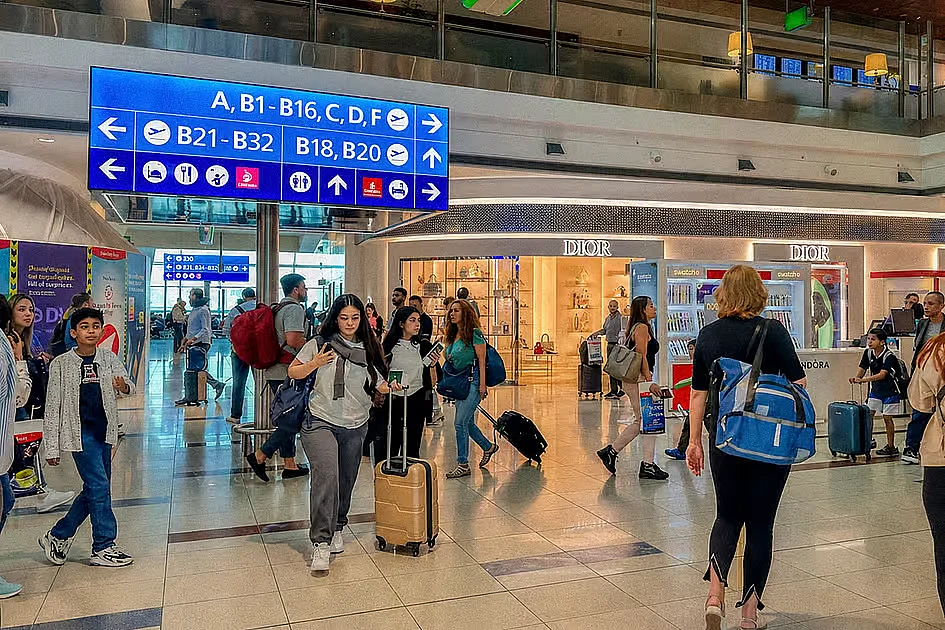
For most travelers, the modern airport experience is synonymous with long lines, physical document checks, and the anxiety of luggage logistics. Dubai Airports CEO Paul Griffiths is looking to change that narrative entirely. As the emirate moves forward with the massive expansion of Al Maktoum International Airport (DWC), the stated vision is a hyper-connected, intelligent ecosystem that renders traditional friction points obsolete.
Scaling Up: The Move from DXB to DWC
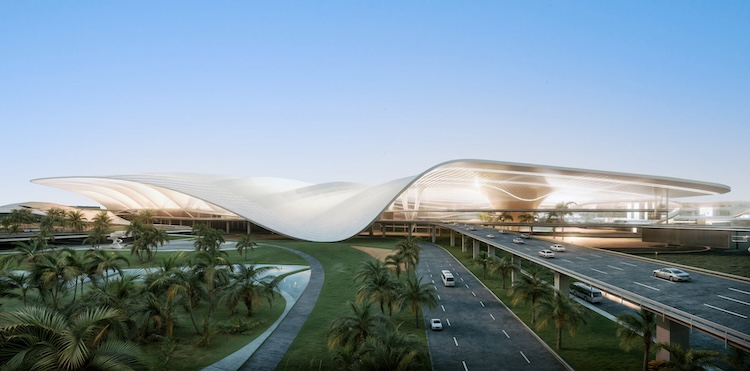
The transition to Al Maktoum International isn't just about extra square footage; it is a strategic relocation of Dubai's aviation center of gravity. With Dubai International (DXB) nearing its capacity limits, Flydubai is slated to lead the migration of operations to DWC beginning in early 2027. Once the hub reaches its massive 150 million-passenger capacity, the plan is to transition all remaining operations from the current primary airport to the newly expanded mega-hub.
- 128 billion AED ($34.85 billion) investment for the new passenger terminal.
- Capacity for up to 260 million passengers annually upon completion.
- Advanced facial recognition systems to replace physical passport checks.
- Automated baggage handling designed to eliminate the need for traditional tags.
Why It Matters: A Tech-First Approach
This project is more than just a construction site; it is a testbed for the 'smart' airport of the future. By integrating AI, biometric verification, and advanced logistics into the very architecture of the facility, the UAE aims to create a passenger experience that is essentially invisible. This aligns with a broader national vision to integrate renewable energy into infrastructure, ensuring that the world's largest airport also aims to be a leader in sustainable operations.
Al Maktoum International Airport is far more than an expansion of aviation infrastructure; it is a fully integrated global platform that will redefine the future of travel and logistics.
— Dubai Media Office Statement