A New Era for Planetary Defense
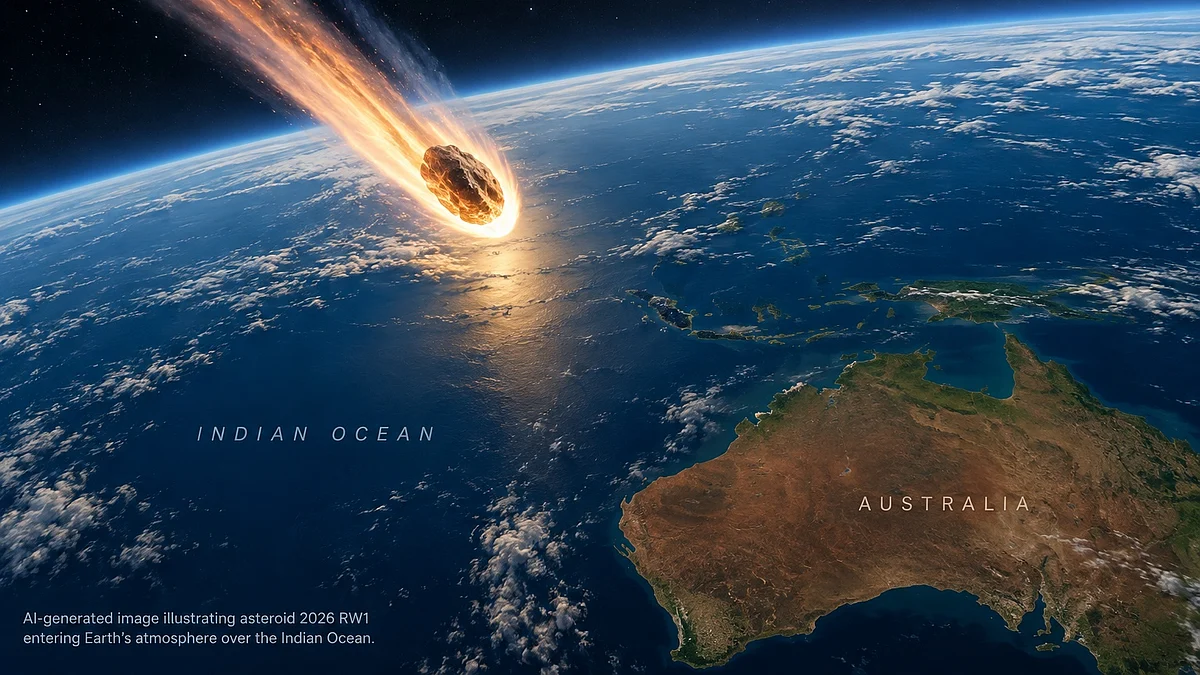
For decades, the idea of an asteroid striking Earth felt like a remote concern relegated to disaster films. However, recent scientific breakthroughs have shifted the narrative. The ability of space agencies to identify and track asteroids hours before they hit the atmosphere is no longer theoretical—it is a proven, functioning reality.
A landmark study involving nearly 100 researchers, led by Western University, analyzed the impact of asteroid 2023 CX1. By utilizing new observational strategies and global cooperation between NASA, the ESA, and citizen science networks like FRIPON/Vigie-Ciel, scientists successfully predicted the time and location of the asteroid's fall with unprecedented accuracy.
Why Early Detection Matters
Planetary defense is not just about identifying potential hazards; it is about having the lead time to respond. While the 2023 CX1 event burned up harmlessly, it provided a vital test for our infrastructure. The study revealed that certain objects, specifically L-type chondrites, may require specialized protocols.
- These asteroids can fragment abruptly in the atmosphere, releasing nearly all their energy at once.
- Advanced infrared surveys are now used to spot dark asteroids that reflect little visible light.
- Global follow-up telescope networks allow for rapid orbit refinement within hours of discovery.
- International cooperation allows for the mobilization of both professional scientists and citizen observers to collect critical data.
We confirmed the existence of a new population of asteroids linked to L-type chondrites, capable of fragmenting abruptly in the atmosphere and releasing almost all their energy at once. Such asteroids must be accounted for in planetary defense strategies, as they pose an increased risk to populated areas.
— Auriane Egal, Astrophysicist at the Montreal Planetarium
The Future of Protecting Earth
While we currently track over 30,000 near-Earth asteroids, there is still work to be done. Scientists estimate that there are about a million objects large enough to cause significant local damage that remain undetected. However, unlike other natural disasters, an asteroid impact is the only natural hazard that humanity could theoretically eliminate entirely given sufficient lead time and the right technology. Integrating these findings into future protocols will be essential for creating a safer, more resilient planet.