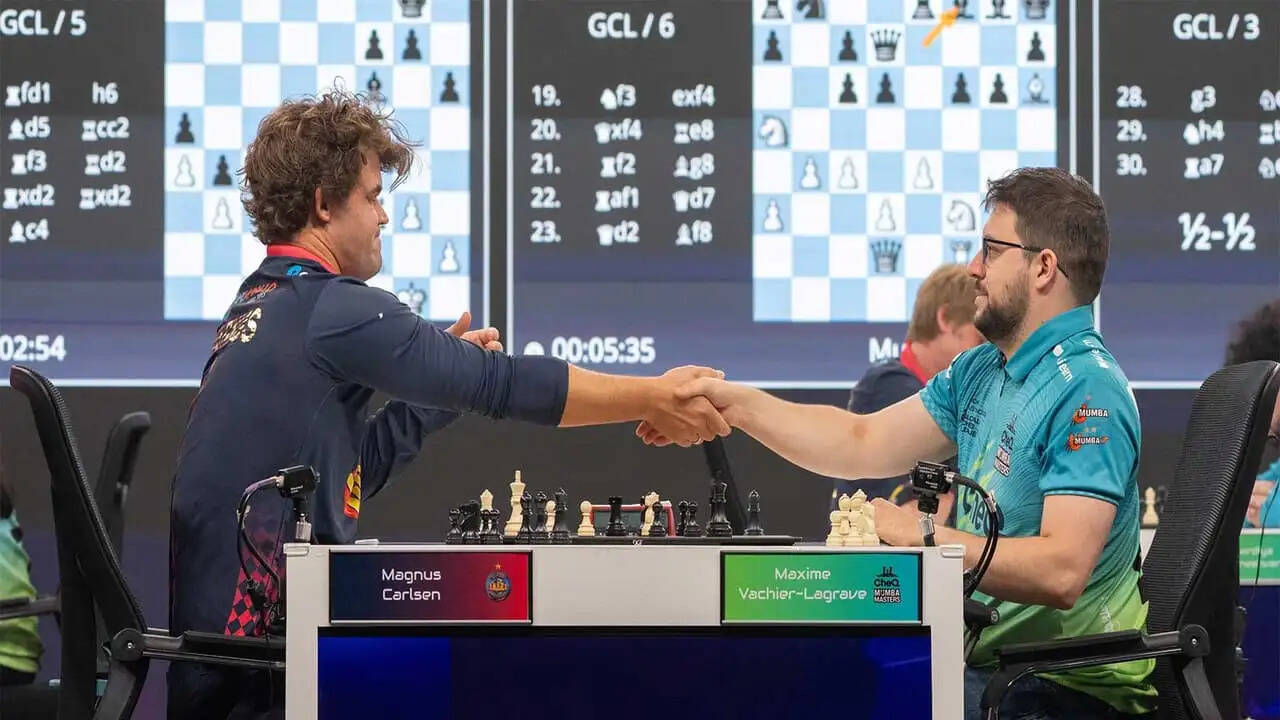
A Masterclass in Bengaluru
The fourth season of the Tech Mahindra Global Chess League (GCL) is living up to its promise of high-stakes, fast-paced action. In the latest round of matches held in Bengaluru, the FYERS American Gambits emerged as the dominant force, effectively distancing themselves from the pack after a crucial victory against the two-time champions, Triveni Continental Kings.
This win is a significant turning point for the Gambits, who now sit at the top of the standings with 12 match points and an impressive 60 game points. The pressure was mounting as the defending champions, Alpine APL Pipers, briefly snatched the lead following their own victory over the CheQ Mumba Masters, but the Gambits' consistent performance has kept them firmly in the driver's seat.

Why the GCL Format Matters
Unlike traditional individual chess tournaments, the GCL utilizes a franchise-based, double round-robin format. This structure forces a unique dynamic where legends of the game—like Magnus Carlsen and Vishy Anand—must collaborate with emerging prodigies. Each match features six boards, where every player's performance carries equal weight toward the team's final score.
- Each match consists of six boards: one Icon, two Superstar Men, two Superstar Women, and one Prodigy.
- A coin toss determines which team plays with the white pieces for the entire match.
- The preliminary stage includes 30 matches, with the top two teams advancing to a best-of-two final.
- Time control is set at 20 minutes per player, with a 2-second increment added starting from move 41.
The Race to the Final
As the tournament progresses, the stakes are rising for the remaining franchises. While the American Gambits and Alpine APL Pipers are currently setting the pace, the Ganges Grandmasters have shown their teeth with a decisive victory over the Continental Kings, proving that any team can disrupt the leaderboard on any given day. With the finals scheduled for September 13, the margin for error is razor-thin.
The team structure of the competition means that different generations will not just be playing against or alongside one another, but they will depend on one another for the team result.
— International Chess Federation (FIDE)