health & science••5 min read

The Ozempic Twist: New Data Suggests Unexpected Benefits for Bipolar Disorder

Recent observational studies indicate that semaglutide, the active ingredient in Ozempic and Wegovy, is linked to a 21% lower risk of psychiatric hospitalization in patients with bipolar disorder. While the findings are promising, experts emphasize that the medication is not yet approved for psychiatric use and further clinical trials are essential.

The Ozempic Twist: New Data Suggests Unexpected Benefits for Bipolar Disorder

Beyond Weight Loss: A New Frontier in Mental Health?

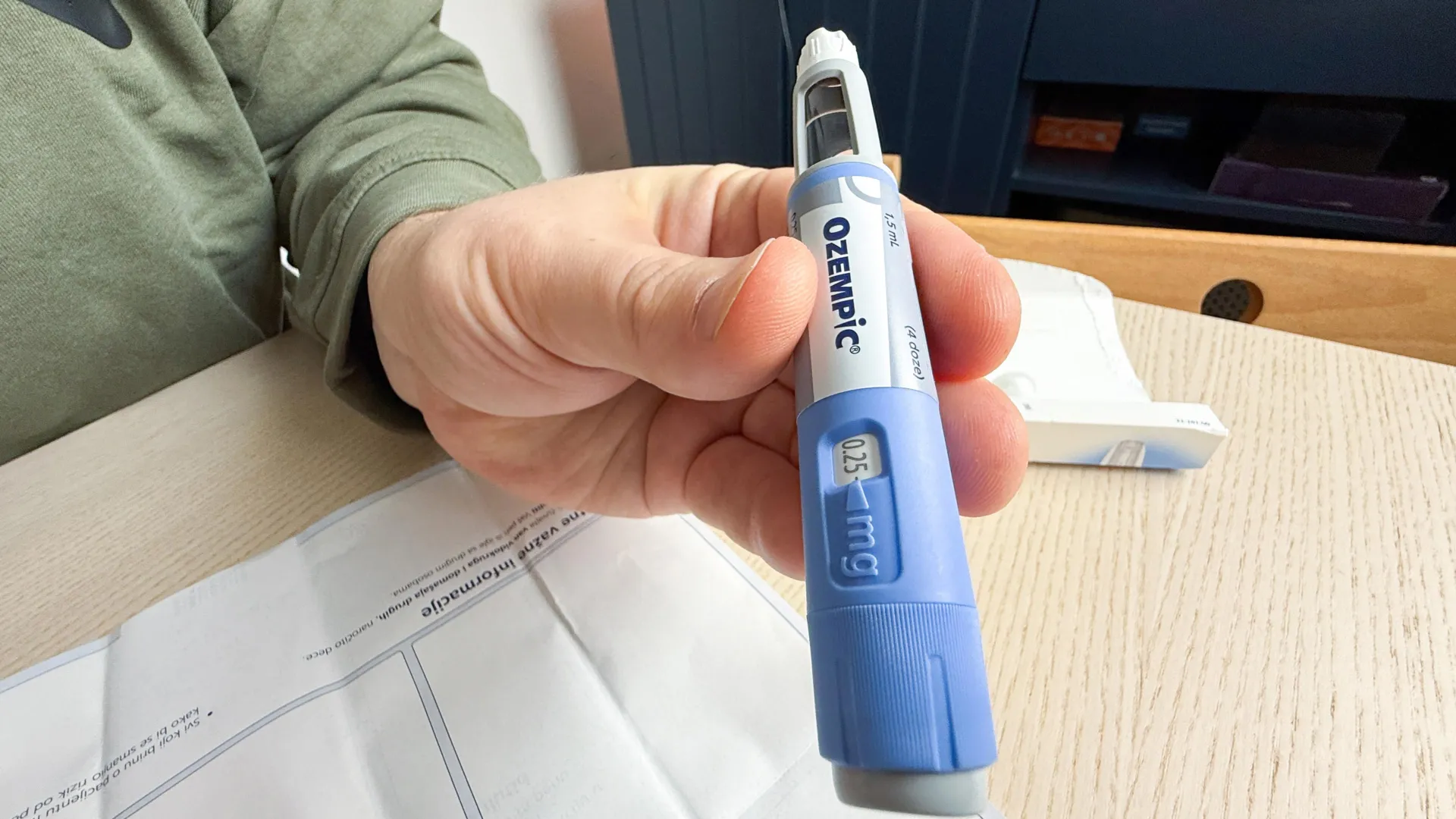
For millions, semaglutide—sold under brand names like Ozempic and Wegovy—has become a household name in the battle against obesity and Type 2 diabetes. However, a growing body of research is beginning to suggest that the drug's impact may extend far beyond metabolic health, potentially offering a surprising lifeline for individuals living with bipolar disorder.

A major study recently analyzed data from nearly 15,000 people with bipolar disorder. The results showed a significant 21% lower risk of psychiatric hospitalization among those using semaglutide. This correlation has sparked excitement in the medical community, prompting researchers to look closer at how GLP-1 receptor agonists interact with the brain.

Researchers are investigating whether the neurological effects of GLP-1 drugs could help stabilize mood in psychiatric patients.

Why GLP-1s Might Affect the Brain

The mechanism behind this potential benefit is thought to be tied to the way GLP-1 signaling influences neurological pathways. Scientists suggest that the drug may help protect brain tissues from stress and inflammation, which are often significant factors in the progression of mood disorders. While other GLP-1 medications exist, this specific association was most pronounced with semaglutide.

  • A large Swedish study found a 21% reduction in psychiatric hospitalizations among bipolar patients using semaglutide.
  • Clinical analysis indicates a 17% lower risk of hospitalizations specifically related to bipolar disorder relapse.
  • Some patients report improved mental clarity, motivation, and energy levels, though these are anecdotal and currently under formal study.
  • The benefits were observed even after accounting for substance use disorders.

The science is new, and the impact of GLP-1s on bipolar disorder isn’t fully known, so talk to your psychiatric prescriber first and monitor for any mood changes.

— bpHope.com Expert Guidance

Proceeding With Caution

Despite the promising data, medical experts urge caution. These medications are not currently approved for psychiatric treatment. Patients with bipolar disorder are often excluded from standard GLP-1 clinical trials, meaning we still lack a full understanding of how these drugs interact with existing psychiatric prescriptions. Concerns remain regarding how the metabolic shifts caused by GLP-1s might impact the efficacy of mood-stabilizing medications or exacerbate specific side effects.

Key Takeaways

  • New studies show a 21% reduction in psychiatric hospitalizations for bipolar patients using semaglutide.
  • Researchers suspect the neurological benefit stems from reduced brain inflammation and stress.
  • These drugs are not yet approved for psychiatric use and should not be used for that purpose without medical oversight.
  • Clinical trials are required to confirm if the observed association is a direct causal relationship.
  • Patients should consult their psychiatrist before starting GLP-1s, as they may interact with existing mental health treatments.

FAQ

Is Ozempic FDA-approved for treating bipolar disorder?

No. Semaglutide is currently approved for the treatment of Type 2 diabetes and chronic weight management. It is not approved for the treatment of bipolar disorder.

Does this benefit apply to all GLP-1 medications?

The most recent data highlighted specific benefits for semaglutide, and results were not consistent across all types of GLP-1 drugs.

Should I stop my psychiatric medication to start semaglutide?

Absolutely not. You must consult your psychiatrist before making any changes to your medication regimen. GLP-1s may interfere with existing psychiatric drugs.

How do researchers explain the link to mental health?

Researchers believe that GLP-1 signaling may help protect brain tissues from stress and inflammation, which may play a role in stabilizing mood.

Related Videos

Can GLP-1 weight loss drugs affect your mental health? Doctor explains

FOX 32 Chicago

Ozempic Mental Health Effects, Explained for Beginners

Dr. Josef

Psychiatrist Shares His Experience With GLP1 Weight Loss Drugs

Metabolic Mind

Sources