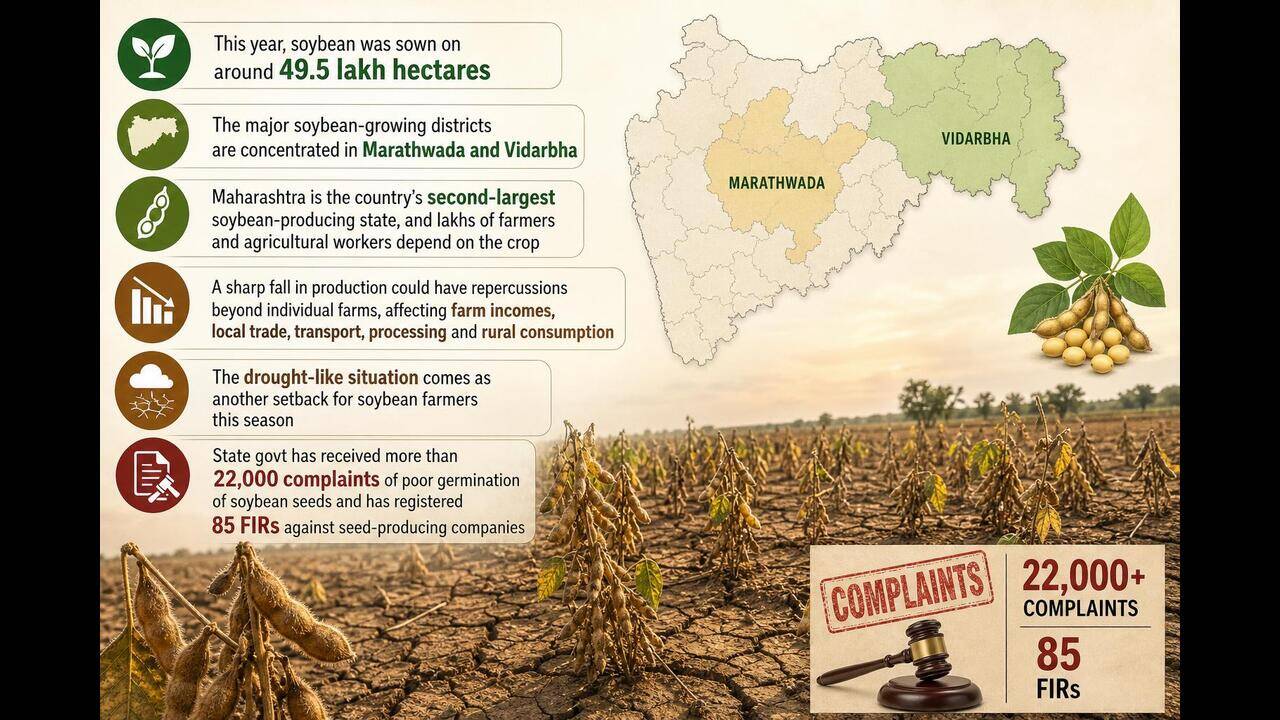
A Growing Crisis in the Fields
The agricultural heartland of Maharashtra is currently facing a dire situation as deficient rainfall and prolonged dry spells threaten the health of the Kharif harvest. Regions across Marathwada and Beed are reporting widespread crop distress, with soybean farmers particularly hard hit as their fields wither under the persistent heat and lack of moisture.
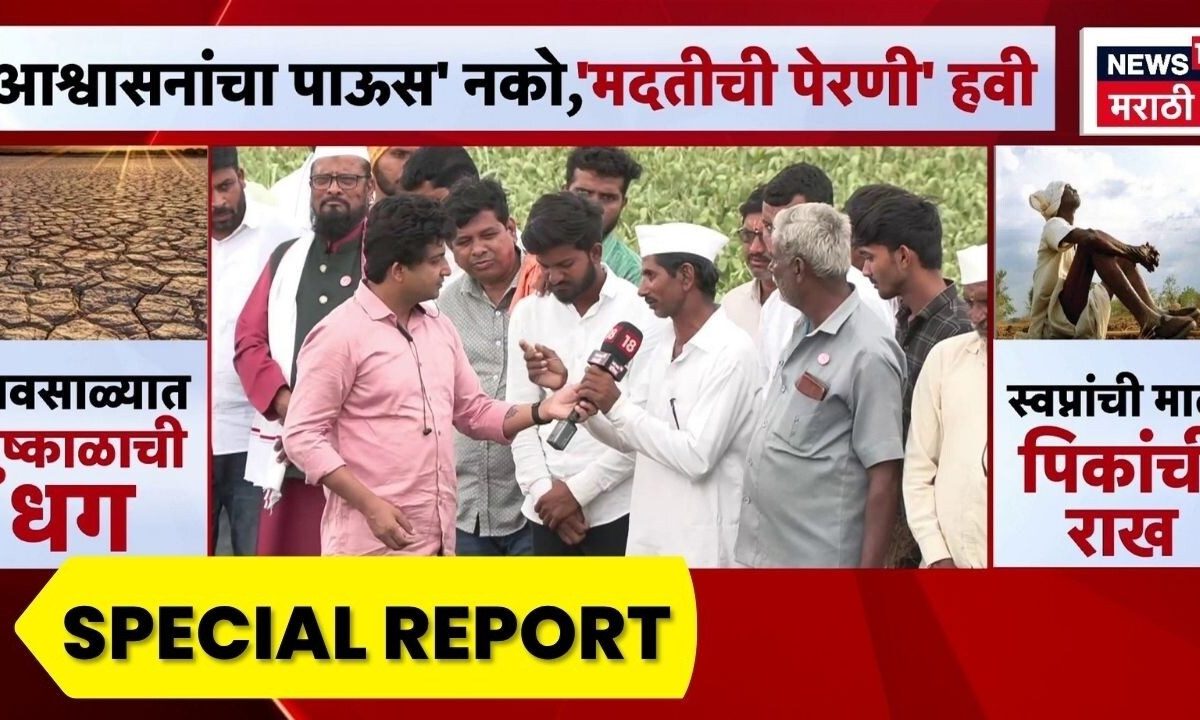
Calls for Urgent Intervention
The severity of the situation has triggered a push for state intervention. Dhananjay Munde, addressing the worsening conditions in Beed district, has officially demanded that the government declare a dry drought. In a letter to Chief Minister Devendra Fadnavis, Munde emphasized the need for immediate financial assistance and government-backed concessions to help farmers navigate the potential loss of their primary income sources.
- Deficient rainfall in August has crippled soybean cultivation in several regions.
- Local leaders are demanding a formal declaration of drought to trigger disaster relief protocols.
- Farmers are requesting immediate financial relief and loan concessions to offset mounting losses.
- The current crisis highlights the vulnerability of the region's agricultural output to climate fluctuations.
The government is banking on its relief measures to support distressed farmers in drought-hit regions, but the delivery and efficacy of these schemes remain a primary concern for the farming community.
— Agricultural Analysis
The Ripple Effect of Crop Failure
Beyond the immediate loss of crops, the drought-like conditions have far-reaching economic impacts. Reduced agricultural productivity leads to lower yields, which often forces farmers to borrow money or rely on state aid just to survive until the next cycle. In extreme cases, the depletion of groundwater and soil moisture necessitates long-term management strategies, as normal precipitation alone may not be enough to restore the land's health once it reaches this stage of stress.