business & technology••5 min read

From Branches to Pockets: How Fintech is Rewriting the Rules of Banking

Fintech has successfully transitioned banking from physical locations directly to the mobile devices of citizens. RBI Governor Sanjay Malhotra identifies this shift as a core driver for global financial inclusion and MSME growth.

From Branches to Pockets: How Fintech is Rewriting the Rules of Banking

The Great Migration: Banking Moves to the Hand

For decades, the banking experience was defined by the physical branch—long lines, paperwork, and limited hours. Today, that model is effectively obsolete. During the Global Fintech Fest 2026 in Mumbai, RBI Governor Sanjay Malhotra articulated a massive shift in the financial landscape: fintech has officially moved banking from the branch to the hand of every citizen.

This transition is not merely a matter of convenience; it represents a fundamental change in the architecture of finance. By utilizing digital rails like UPI and mobile-first infrastructure, fintech firms are making financial inclusion a daily reality rather than an aspirational policy goal.
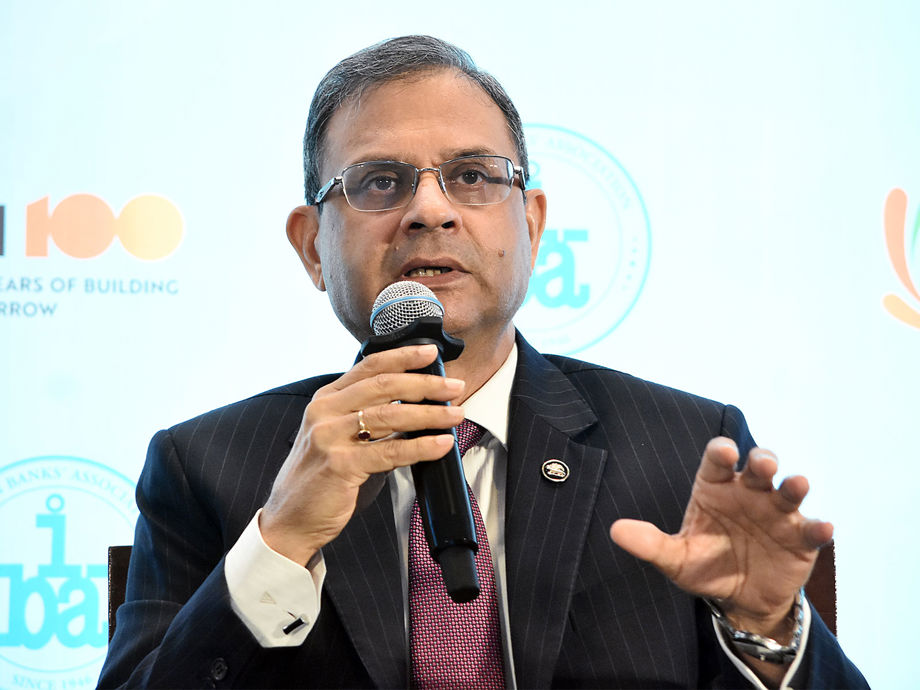
RBI Governor Sanjay Malhotra addresses the Global Fintech Fest 2026 in Mumbai.

Bridging the MSME Credit Gap

Beyond personal banking, fintech is performing a critical role in powering the backbone of the economy: Micro, Small, and Medium Enterprises (MSMEs). Historically, small businesses struggled to access formal credit due to rigid, collateral-heavy traditional lending models. Fintech innovators are changing this dynamic by offering collateral-light credit options.

  • Replacement of legacy paperwork with digital identity verification.
  • Use of alternative data points to assess creditworthiness for those lacking traditional banking histories.
  • Lowering the cost of service, which allows institutions to profitably lend to smaller segments.
  • Direct integration with supply chain and digital payment ecosystems.

Why This Transformation Matters

The global financial system is currently transitioning into a phase of sustainable growth. The integration of advanced technology with traditional financial expertise allows for services to be delivered at a fraction of the cost of legacy institutions. For underserved populations—such as low-income individuals and youth—mobile phones have become the most important tool for economic participation.

Fintech has helped reshape the architecture of finance in the country over the past decade, taking banking from the branch to the hand of every citizen.

— Sanjay Malhotra, RBI Governor

Key Takeaways

  • Banking has shifted from physical locations to mobile platforms, enabling universal access.
  • Digital rails, such as UPI, are the primary drivers of current financial inclusion metrics.
  • Fintechs are providing collateral-light credit solutions to MSMEs, fueling job creation.
  • The financial industry is moving toward a model of sustainable, tech-integrated growth.
  • Mobile technology is effectively reducing the barriers to entry for low-income populations.

FAQ

What is the primary role of fintech in banking today?

Fintech integrates technology with finance to make services more efficient, accessible, and inclusive, moving them away from traditional physical branches.

How are fintech firms helping small businesses?

They are bridging the credit gap by providing formal, collateral-light credit options that were previously unavailable to small businesses under traditional models.

Why is mobile technology important for financial inclusion?

Mobile phones serve as the main access point for digital accounts, which cost far less to establish and maintain compared to traditional brick-and-mortar bank accounts.

What did the RBI Governor emphasize at the 2026 Global Fintech Fest?

Governor Sanjay Malhotra emphasized that fintech has fundamentally reshaped the architecture of finance, making banking accessible to every citizen.

Related Videos

How Fintech is Disrupting Traditional Banking

FINTECH EXPLAINED

Are FinTechs the New Traditional Banks?

TEDx Talks

PPT ON IMPACT OF FINTECH ON TRADITIONAL BANKING

STUDY HELP

Sources