sustainability••4 min read

How a Mushroom Coffin Is Changing the Future of Funerals

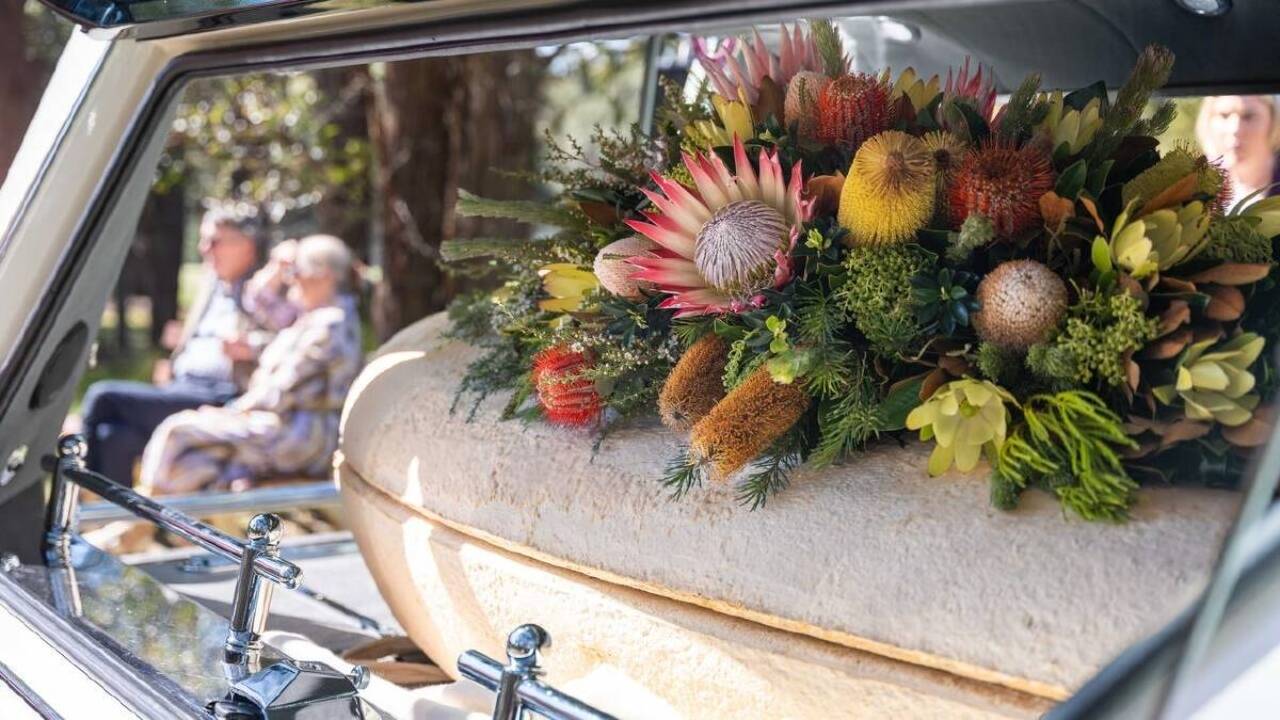
Australia has seen its first-ever mushroom coffin burial, a major milestone for sustainable death care. Crafted from mycelium and hemp, this biodegradable casket promises to return the human body to the earth in just 45 days.

How a Mushroom Coffin Is Changing the Future of Funerals

A Natural Return to the Earth

A 70-year-old woman in Sydney has made history as the first person in Australia to be interred in a mushroom coffin. This groundbreaking funeral choice highlights an accelerating trend toward 'green' or natural burials, moving away from traditional, resource-intensive practices that often rely on heavy metals and non-biodegradable materials.
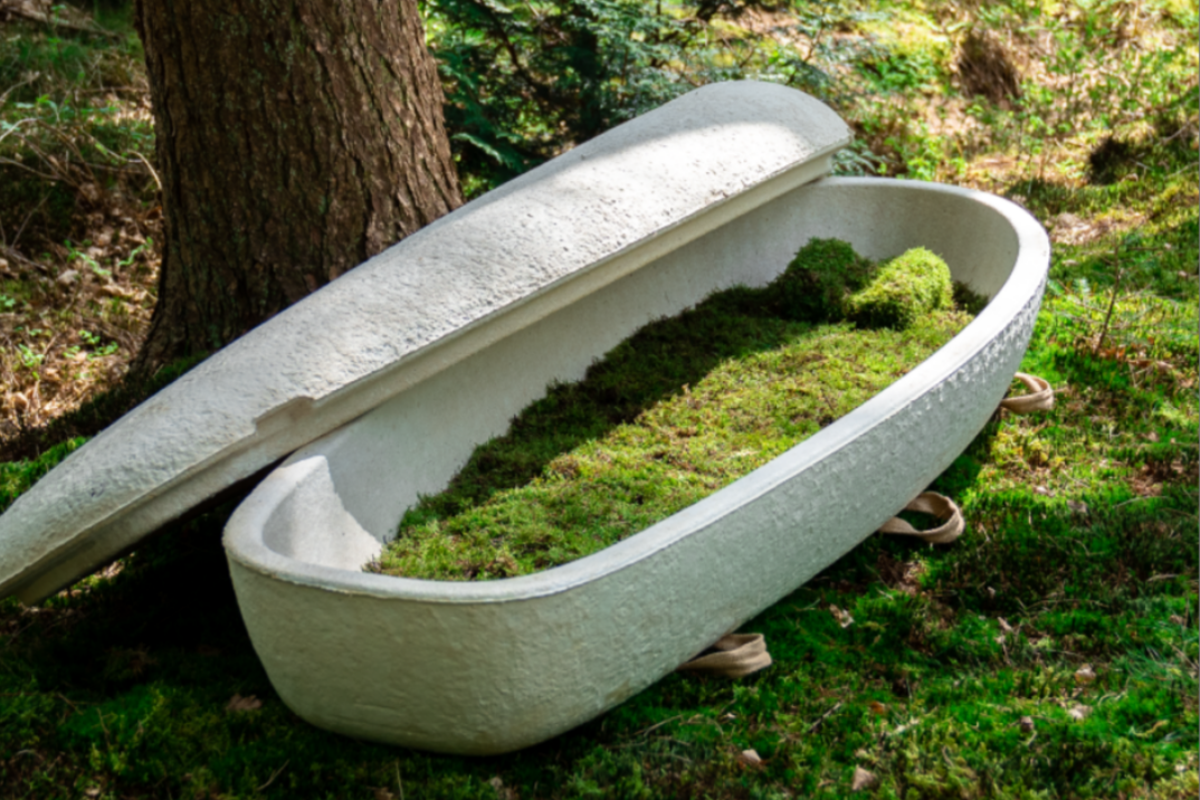
The mushroom coffin is designed to break down into soil rapidly, completing its lifecycle within roughly 45 days.

The Science of Mycelium Caskets

These innovative caskets are grown, not manufactured. Constructed primarily from mycelium—the underground root-like structure of mushrooms—and hemp fibers, the structure acts as a living, biodegradable housing. Unlike standard wooden or metal caskets that can take years or even decades to break down, a mushroom coffin is designed to decompose fully into the soil within approximately 45 days post-burial.

  • Material: Made from mycelium and hemp fibers.
  • Production time: These units can be grown in just seven days.
  • Sustainability: The process encourages microbial activity and promotes plant growth.
  • Expansion: Following the Australian milestone, the technology is now slated for entry into the New Zealand market.

Why Sustainable Burials Matter

The shift toward eco-friendly funeral options reflects a growing desire for 'circular' final rites. By integrating the human body back into the earth's natural life cycles, these burials aim to minimize the environmental footprint left behind by modern funeral industry standards. As public interest grows, the accessibility of these coffins is expanding globally, moving from a niche concept to a legitimate alternative for families seeking a kinder, more natural farewell.

As the body and capsule return to the earth, they encourage microbial activity and plant growth, turning burial sites into sources of new life.

— Sustainable Burial Advocate

Key Takeaways

  • Australia held its first funeral using a mycelium-based mushroom coffin.
  • The casket decomposes into the soil in approximately 45 days.
  • The coffins are grown from mushroom roots and hemp in just one week.
  • The technology aims to turn burial sites into contributors to local ecosystems.
  • Mushroom coffin availability is now expanding into New Zealand.

FAQ

What is a mushroom coffin made of?

They are primarily constructed from mycelium (mushroom root structures) and hemp fibers.

How long does a mushroom coffin take to decompose?

These coffins are designed to break down into the soil within approximately 45 days.

Are mushroom coffins environmentally friendly?

Yes, they are designed to be fully biodegradable and help facilitate natural decomposition, promoting microbial and plant life in the burial site.

Where are these coffins currently available?

Following successful use in Australia, they are now being introduced to markets like New Zealand.

Related Videos

This ‘Living Coffin’ Composts Your Body

TomoNews US

Mushroom Burial Suit: Mycelium Burial Explained

Funeral Channel Network

#EP62 | Death, Ritual, and Mushrooms: Creating Eco-Friendly Coffins

Buried in Work

Sources