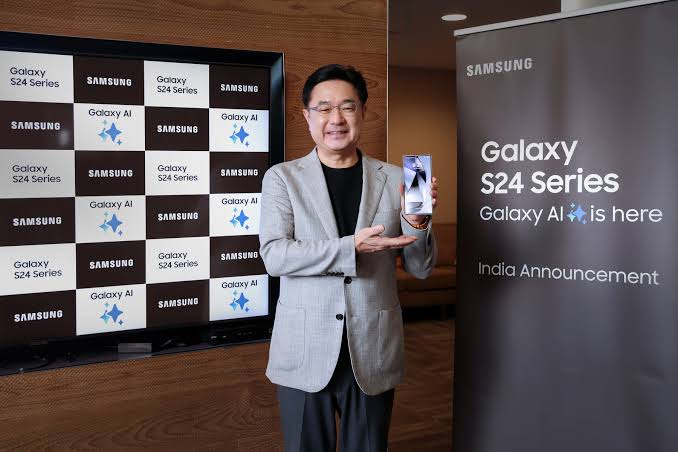
A Major Strategic Shift
For three decades, Samsung has maintained a deep-rooted presence in India. While the country was once viewed primarily as a massive consumer market for electronics, the company’s leadership believes that dynamic has fundamentally changed. According to Samsung South West Asia President and CEO JB Park, India has officially transitioned into a global developer of technology.
This evolution marks a significant milestone for the country. It signals that Indian engineers, researchers, and innovators are no longer just supporting local operations; they are actively designing and refining technologies that eventually reach users worldwide.

The Rise of Local Innovation
The transition toward becoming an innovation hub is bolstered by the rising generation of local talent. Programs like 'Samsung Solve for Tomorrow' have gained prominence, empowering youth to solve complex challenges through creative technology.
- Growth in local R&D capabilities that contribute to global product roadmaps.
- A shifting focus from simple execution to influencing global enterprise strategy.
- Increased emphasis on deep-tech fields like AI, cloud computing, and system design.
- Young innovators, such as the winners of the Solve for Tomorrow challenge, gaining national recognition for technological breakthroughs.
India has moved from being a market where global technologies were introduced to a country that is increasingly helping develop technology for the rest of the world.
— JB Park, President and CEO, Samsung South West Asia
What This Means for the Future
India’s trajectory as a global innovation base is supported by robust economic reforms and a massive demographic advantage. Experts suggest the country is moving from a back-office support model toward becoming a core hub for 'change the business' services—consulting, experience design, and product development. For Samsung and other global giants, utilizing India’s talent pool is no longer an option but a strategic necessity to remain competitive in an increasingly digital world.