The New Frontier of Wireless Networking
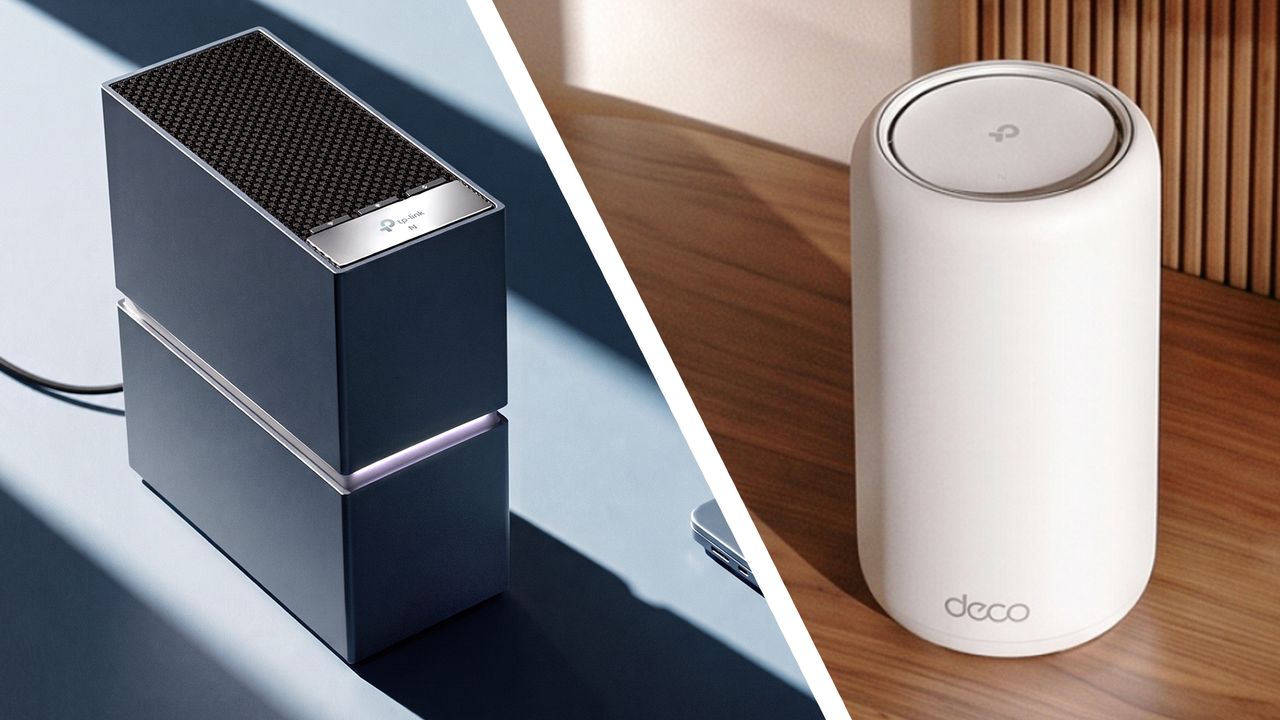
The race for faster, more reliable home internet is constant. With TP-Link launching its first wave of Wi-Fi 8 routers, the question on every tech enthusiast's mind is simple: is it time to upgrade, or is the current standard still enough? While Wi-Fi 8 promises meaningful improvements to network consistency, the reality for most users in 2026 is far less urgent.
Wi-Fi 7: Still the Gold Standard
For the vast majority of households, Wi-Fi 7 remains the premier choice. It offers a significant leap over older Wi-Fi 6 and 6E standards, providing lower latency and wider 320 MHz channels. If your home network is currently struggling with dead zones or buffering, upgrading to Wi-Fi 7 today will result in a noticeable, immediate performance boost.
- Wi-Fi 7 is currently available and stable for consumer use.
- It supports Multi-Link Operation (MLO), though full simultaneous support varies by hardware.
- It provides a massive increase in bandwidth compared to Wi-Fi 6E.
- Waiting for Wi-Fi 8 could mean holding out for a year or more for mature commercial products.
Why Wi-Fi 8 Focuses on Reliability
Unlike previous iterations that focused primarily on raw, headline-grabbing speed, Wi-Fi 8 is widely considered a 'feature-complete' evolution of the Wi-Fi 7 standard. Its primary goal is not to break speed records, but to enhance stability and reliability—especially for complex mesh Wi-Fi systems.
Wi-Fi 8 appears to be a feature-complete version of Wi-Fi 7. Not only should it retain blazing-fast speeds, but it should also add major stability and reliability improvements.
— How-To Geek
The Verdict: Buy Now or Wait?
If you are currently running a router from the Wi-Fi 5 era or earlier, the jump to Wi-Fi 7 is well worth the investment today. Waiting for Wi-Fi 8, which is still in its infancy with limited commercial availability, may result in unnecessary frustration. However, if your current Wi-Fi 6 or 6E network is meeting your needs, there is no pressing reason to upgrade yet; you can comfortably wait for the Wi-Fi 8 market to mature and prices to stabilize.