
A High-Stakes Race for Foldable Dominance
The global premium smartphone market is witnessing an intense battle for foldable supremacy. On September 7, 2026, Huawei launched its latest flagship, the Mate XT2, a cutting-edge device that features a tri-fold design capable of expanding into a tablet-sized screen. This move arrives just days ahead of Apple’s highly anticipated product event, underscoring a strategic push by Chinese manufacturers to capture consumer attention in the high-end space.
The Competitive Landscape: Huawei vs. Apple
Huawei currently dominates the foldable segment in China, claiming 68% of shipments in the second quarter. While Huawei faces U.S. sanctions, it continues to innovate, equipping the Mate XT2 with its proprietary Kirin 9050 Pro chip. This silicon is engineered to boost computing power while improving energy efficiency, a critical requirement for power-hungry foldable devices.
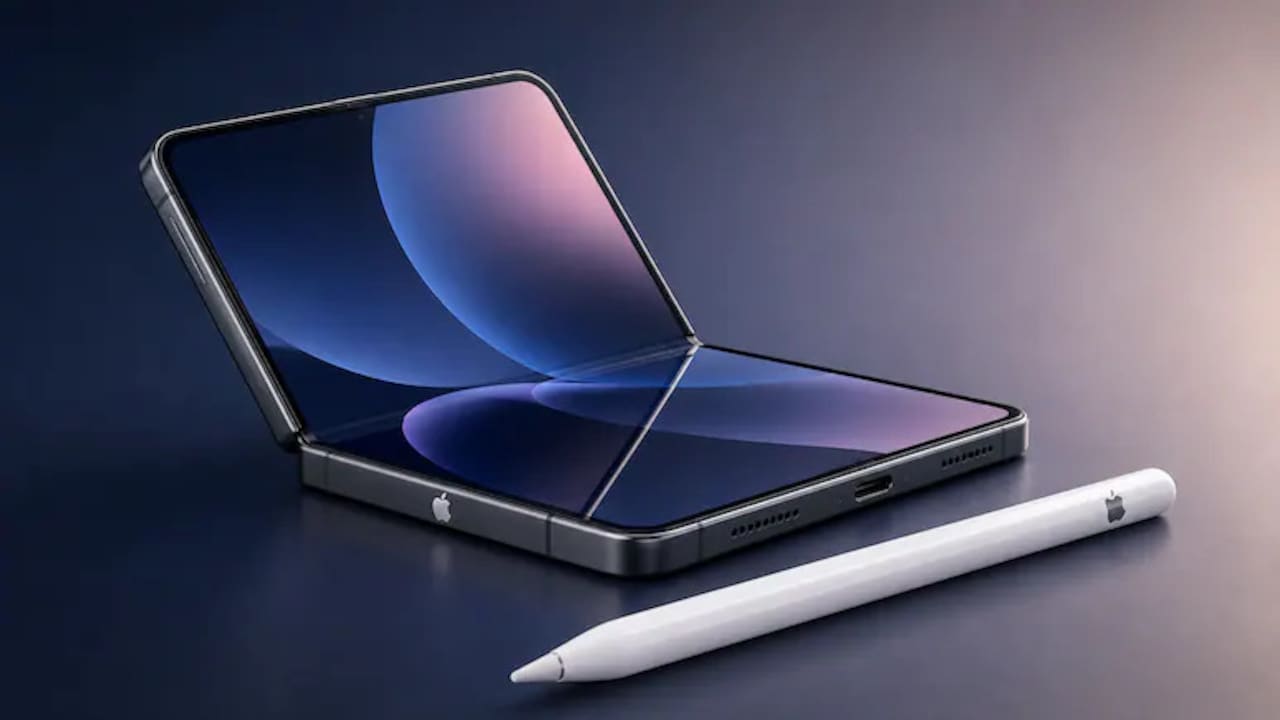
Apple’s potential entry, however, threatens to change the math. While Samsung spent years cultivating the foldable market, analysts suggest Apple could leapfrog established competitors rapidly. Smart Analytics Global projects that Apple could capture a quarter of the global foldable market in 2026 and potentially command a 41% share by 2027. The central question remains: can Apple transform foldables from a premium niche into a truly mass-market category?
Strategic Shifts and Industry Hurdles
- Market Expansion: With traditional smartphone growth slowing, brands like Huawei and Xiaomi are focusing on foldables to increase average selling prices and improve profit margins.
- Supply Chain Pressures: Global semiconductor demand, driven largely by AI, continues to strain the supply chain, potentially leading to higher production costs for flexible displays and components.
- Design Evolution: Recent leaks suggest Apple may abandon traditional biometric setups like Face ID in favor of a return to Touch ID to accommodate the ultra-thin form factor of its rumored foldable iPhone.
- The Asia-Pacific Lead: The region is expected to lead the global foldable market in 2026, driven by intense rivalry between regional giants.
Getting out a couple of days before Apple’s splashy new product event gives brands the chance to own the spotlight at least momentarily.
— Market Analyst Perspective