A New Era for Wearables
For years, augmented reality (AR) felt like a futuristic concept confined to research labs and expensive prototypes. However, as we settle into 2027, the landscape is shifting dramatically. The convergence of generative AI and lightweight wearable hardware is transforming smart glasses from novelty gadgets into practical tools for daily life.
The transition is being driven by significant improvements in battery efficiency, display clarity, and real-time processing capabilities. As companies iterate on design, consumers are beginning to see AR as an extension of their smartphones rather than a replacement for them, setting the stage for widespread integration in gaming, retail, and professional sectors.
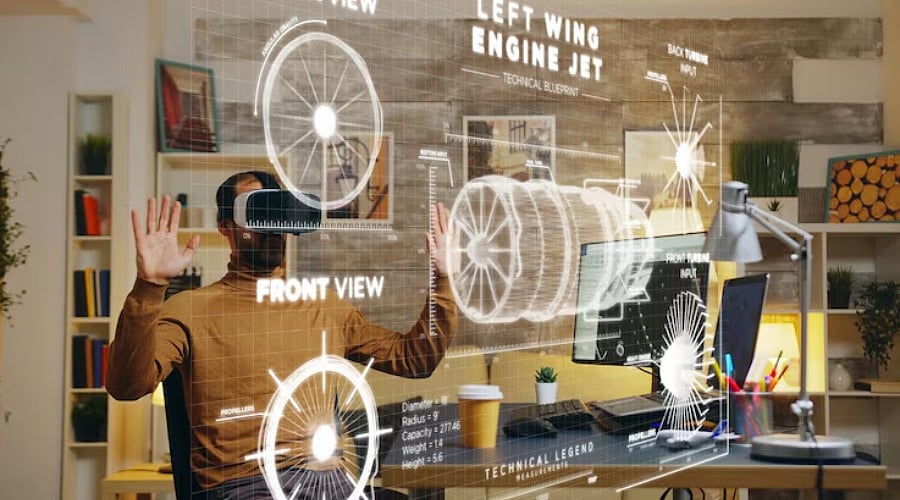
Key Drivers of the AR Market
The surge in interest is not just about the hardware; it's about what the glasses can actually do. The current ecosystem is being shaped by several critical factors:
- AI-Powered Functionality: Real-time translation, context-aware assistance, and navigation are becoming standard features in the latest generation of eyewear.
- Spatial Computing: Integration with broader digital environments is allowing users to interact with virtual objects in their physical space more naturally.
- Retail Implementation: Major retailers are adopting AR to offer immersive shopping experiences, helping consumers visualize products in their own homes before purchasing.
- Infrastructure and 5G: Improvements in connectivity are reducing latency, a major historical bottleneck for smooth AR experiences.
Lightweight, AI-powered smart glasses could become mainstream as manufacturers improve displays, battery life, connectivity, and everyday usability.
— Industry Analysis Report
Challenges and Growth
Despite the momentum, the path to universal adoption remains complex. Market analysis indicates that while adoption rates are climbing—with an estimated 106.9 million AR users expected in the USA alone by 2027—challenges such as high production costs and the need for significant R&D investment continue to pose barriers. Furthermore, as the technology becomes more prevalent, privacy concerns regarding data collection and public perception of wearable cameras are coming to the forefront of industry discussions.