technology••5 min read

The Hidden Environmental Cost of AI: Is Liquid Cooling the Future?

As the global demand for generative AI surges, the massive infrastructure supporting it is facing intense scrutiny over energy consumption and water usage. From public backlash to new technical standards, the industry is racing to find sustainable cooling solutions for the next generation of AI.

The Hidden Environmental Cost of AI: Is Liquid Cooling the Future?

The High Price of Powering AI

Artificial Intelligence is no longer just a digital phenomenon; it is a physical, resource-heavy reality. As companies accelerate the construction of massive data centers to house powerful AI models, the environmental toll—specifically in terms of electricity and water—has become a point of contention. MIT researchers have projected that data center electricity consumption could reach 1,050 terawatt-hours by 2026, positioning the sector as one of the world's largest energy consumers.

The Water Conundrum

Beyond electricity, water consumption remains a primary concern for communities hosting these facilities. Because data centers must run 24/7, the heat generated by thousands of chips requires constant, large-scale cooling systems. In many regions, this dependence on local water resources has sparked public backlash, with citizens raising concerns about local water scarcity and the long-term impact on their communities.
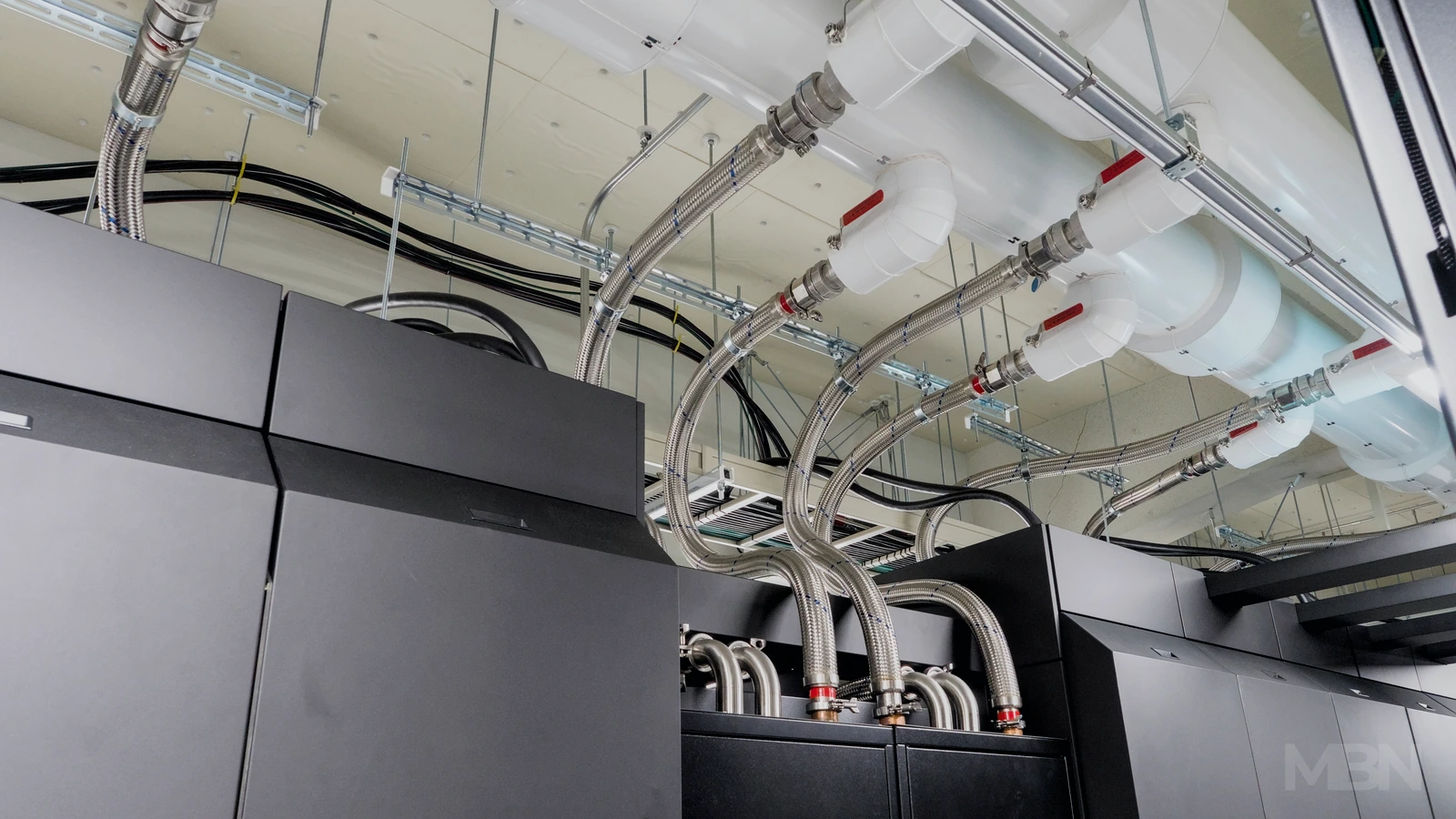
Singapore’s new technical standards represent a proactive approach to managing the heat output of AI infrastructure.

A Path Toward Sustainability: The Singapore Standard

In a potential turning point for the industry, Singapore has introduced a new technical standard specifically for liquid-cooled data centers. By establishing clear benchmarks for operating in tropical climates, the city-state is providing a blueprint for cooling AI systems more efficiently. This shift is critical as the industry faces what experts call a 'build-out moment'—a pivotal time where infrastructure choices will determine whether AI contributes to climate goals or hampers them.

  • Data centers are increasingly becoming one of the world's largest electricity consumers.
  • Traditional cooling methods require significant volumes of water, sparking local concerns.
  • Singapore's new liquid-cooling standard offers a template for more efficient, sustainable data center operations.
  • Experts emphasize that current infrastructure decisions will influence the environmental impact of AI for the rest of the decade.

The AI infrastructure choices we make this decade will decide whether AI accelerates climate progress or becomes a new environmental burden.

— You, Research lead (Cornell Chronicle)

Key Takeaways

  • Global data center power demand is projected to hit 1,050 terawatt-hours by 2026.
  • Constant server operation requires vast water supplies for cooling, causing local environmental stress.
  • Singapore is leading the way by setting technical standards for liquid-cooled data centers.
  • Public awareness regarding AI's physical resource consumption is rising, influencing industry and policy conversations.
  • Strategic planning between utility providers, industry leaders, and regulators is essential to prevent water scarcity and reduce grid emissions.

FAQ

Why do AI data centers use so much water?

Data centers generate significant heat while processing complex AI tasks 24/7. Liquid-based cooling systems are often used to maintain the performance and longevity of hardware, which requires large volumes of water.

What is the 'build-out moment' in AI?

It refers to the current period of rapid expansion in AI infrastructure, where the decisions made today regarding efficiency and resource use will define the long-term environmental footprint of the technology.

How is Singapore addressing data center heat?

Singapore has implemented a new technical standard for liquid-cooled data centers to help operators manage heat more efficiently, particularly in tropical climates.

Is AI energy consumption expected to increase?

Yes. MIT research indicates that data center electricity consumption is trending upward significantly, potentially approaching 1,050 terawatt-hours by 2026.

Related Videos

How AI uses our drinking water

BBC World Service

How do ai data centers use up water?

Western Resource Advocates

Data Center Water is a Distraction

Kyle Hill

Sources