The High Cost of Intelligence
The global race for artificial intelligence dominance is shifting from software benchmarks to physical infrastructure realities. As AI models become more computationally intensive, the data centers housing them require massive amounts of energy and, perhaps more critically, water for cooling. This surge in resource consumption is now forcing regulators and industry leaders to reconsider how these facilities operate in an increasingly resource-constrained world.
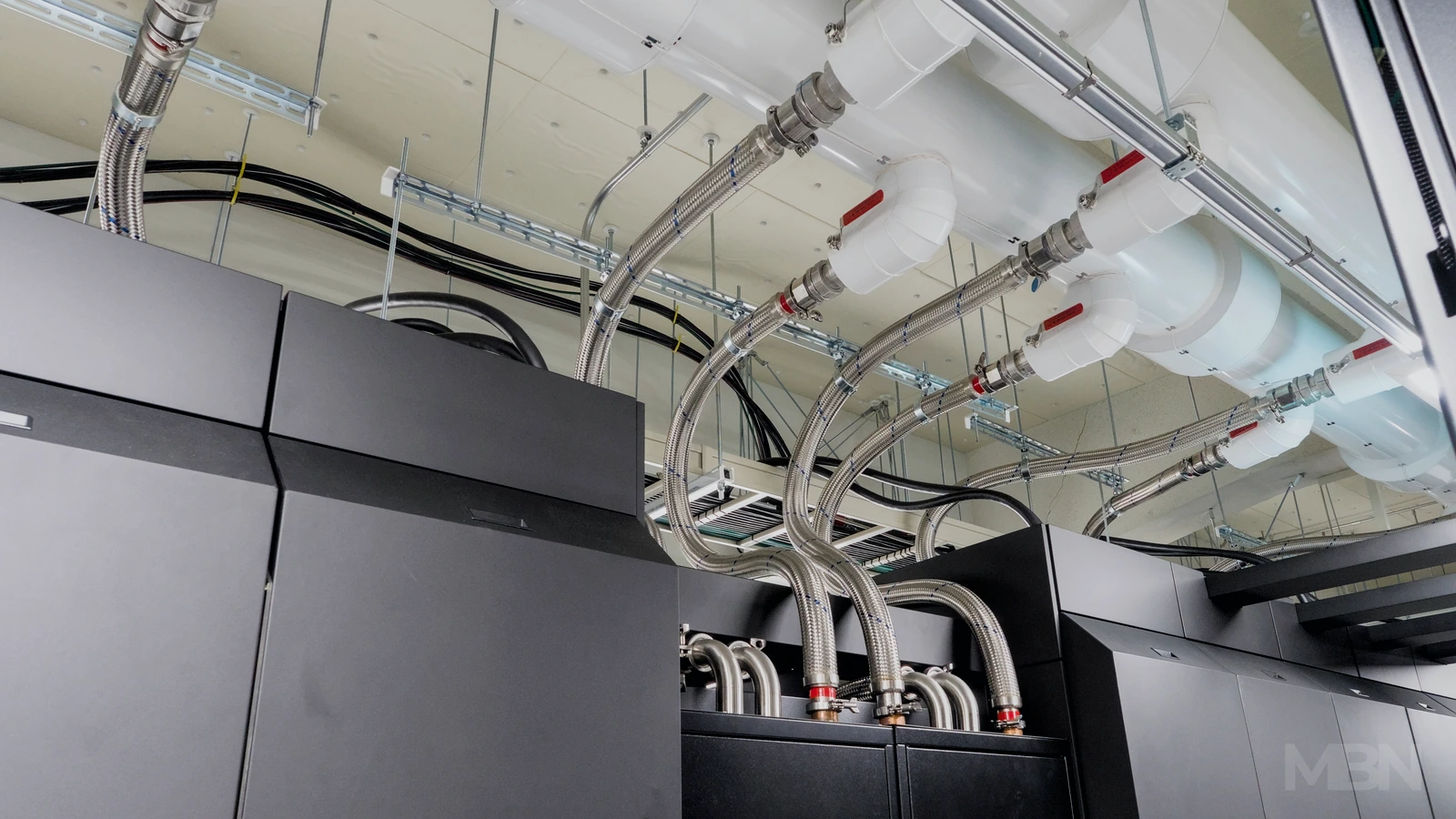
A New Benchmark for Efficiency
Singapore has taken a proactive step by introducing a new technical standard for liquid-cooled data centers in tropical climates. This framework provides companies with a universal reference point for managing the extreme heat generated by high-density AI hardware. By shifting toward liquid cooling, the industry aims to improve thermal management, a critical necessity as data centers look to minimize their environmental impact while handling massive AI workloads.
The Environmental Calculus
Recent research highlights the scale of the challenge. According to MIT, data center electricity consumption is projected to reach 1,050 terawatt-hours by 2026. Beyond power, water usage remains a major concern: for every kilowatt-hour consumed, data centers can require up to two liters of water for cooling. The impact is localized and significant:
- Northern Virginia data centers consumed nearly 2 billion gallons of water in 2023, representing a 63% increase since 2019.
- In Newton County, Georgia, some data center permit requests have reached 6 million gallons of water usage per day.
- Cornell researchers warn that current AI growth patterns could push net-zero emission targets out of reach.
For each kilowatt hour of energy a data center consumes, it would need two liters of water for cooling.
— Bashir, MIT News
Future Implications
The issue has moved beyond technical journals and into the political arena. In New York, data centers have become a focal point of recent midterm races, with candidates debating the balance between pro-tech economic policies and public concern over resource management. As infrastructure demand continues to triple, the industry faces a choice: innovate through more efficient cooling methods like those pioneered in Singapore, or face stricter regulatory oversight as communities demand more transparency regarding water and power consumption.