
technology••5 min read

How Ukraine Became the Global Epicenter for AI Warfare Innovation

Ukraine's frontline is rapidly transforming into a testing ground for cutting-edge defense technology. With major backing from Palantir and former Google CEO Eric Schmidt, the country is proving that software-defined warfare can outpace traditional military procurement.

How Ukraine Became the Global Epicenter for AI Warfare Innovation

A New Frontier in Defense Tech

The landscape of modern warfare is shifting beneath our feet. While history is filled with nations struggling to integrate new technology into their military doctrine, Ukraine is currently doing it in real-time. Driven by an existential need for rapid adaptation, the country has opened its doors to Silicon Valley’s most influential players, effectively turning its front lines into a high-stakes laboratory for AI and autonomous systems.

Leading this shift is Palantir, whose data analytics software has become deeply embedded in Ukrainian government operations. From ministries of defense to economy, the platform is now standard for parsing satellite imagery, drone footage, and intelligence to support command decisions.
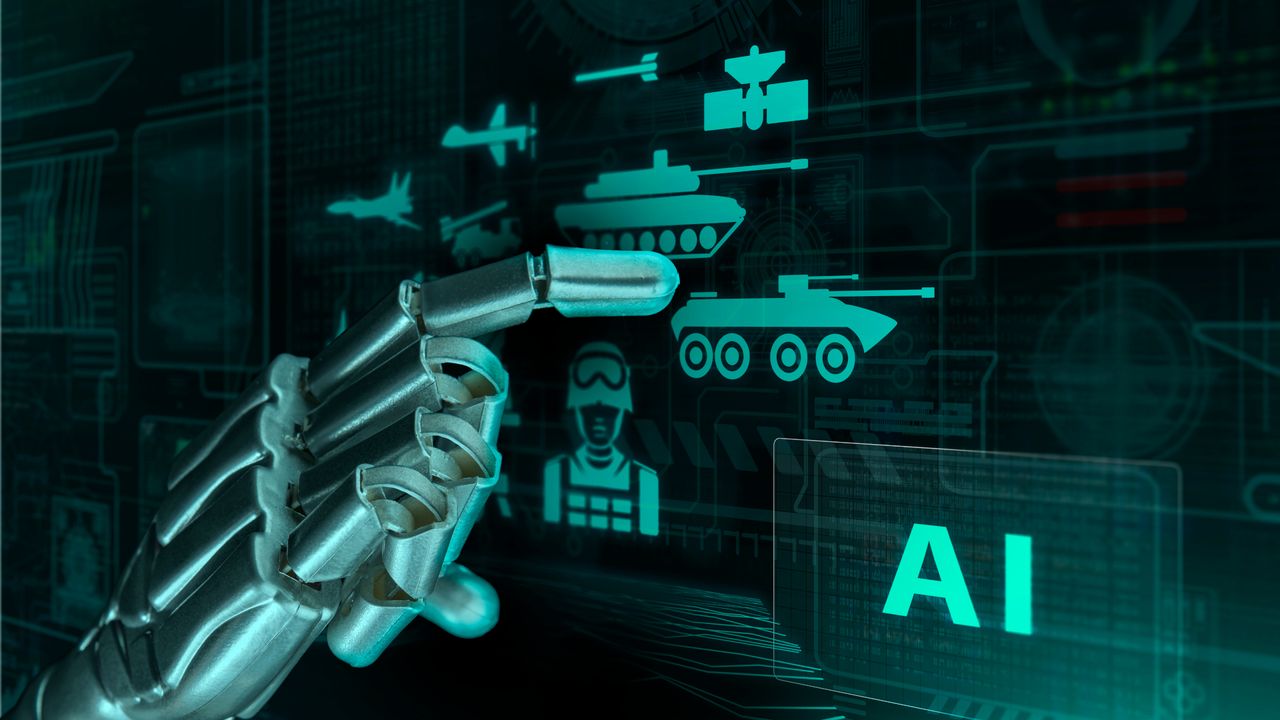
Military AI systems are evolving to prioritize decentralized operations over constant connectivity.

The Silicon Valley Connection

The integration isn't just about software; it’s about capital and speed. Former Google CEO Eric Schmidt has emerged as a central figure, investing heavily in Ukrainian defense startups like D3 (Dare to Defend Democracy). His involvement signals a broader trend: the move away from slow, multi-year procurement cycles toward agile, startup-style deployment.

  • Palantir CEO Alex Karp is acting as a lead investor for a new Ukrainian defense technology venture founded by former minister Mykhailo Fedorov.
  • Eric Schmidt is scaling initiatives like White Stork and Swift Beat to refine AI-powered drone technology.
  • Ukrainian defense startups are currently iterating on hardware and software in weeks, a pace far exceeding standard Western defense cycles.
  • The goal is to move from simply learning from Ukraine’s battlefield successes to actively co-developing sovereign defense capabilities.

Resilience Through Decentralization

A critical focus for modern battlefield AI is 'resilience through disconnection.' As analysts note, battlefield systems can no longer rely on constant, high-bandwidth connectivity in contested environments. Instead, the focus has shifted toward creating intelligent, autonomous local capabilities that allow drones and analytics systems to function even when communication with central hubs is severed.

Resilience comes from designing for disconnection, not assuming more connectivity.

— Andreas Hellander, Scaleout

Key Takeaways

  • Ukraine is serving as an unprecedented testing ground for AI and autonomous drone technology.
  • Palantir’s data platforms are currently used across multiple Ukrainian government ministries for battlefield analysis.
  • Eric Schmidt is funding defense startups that prioritize high-volume innovation and rapid testing.
  • Future military technology is moving away from centralized hardware toward software-defined, agile architectures.
  • Modern defense design is now prioritizing 'resilience by design,' ensuring AI functions effectively in disconnected environments.

FAQ

Why is Palantir involved in Ukraine?

Palantir’s software provides real-time data analysis, helping Ukrainian officials process satellite imagery and battlefield reports to make more informed decisions.

What is Eric Schmidt's role in the conflict?

Eric Schmidt is an investor in Ukrainian defense tech startups and is actively involved in developing AI-powered drone systems for battlefield use.

What does 'designing for disconnection' mean?

It refers to building AI systems that can operate independently on the battlefield without needing a constant, reliable internet or data connection to a central server.

How fast is Ukrainian defense innovation?

Startups in Ukraine are currently deploying and testing new technologies in weeks, which is significantly faster than typical government procurement processes.

Related Videos

Palantir CEO backs Ukraine's new defense tech startup

Knewdex News

Palantir CEO Alex Karp on Escalating War in Ukraine

Palantir

Palantir CEO Alex Karp on The Global Tech Race

Palantir

Sources